
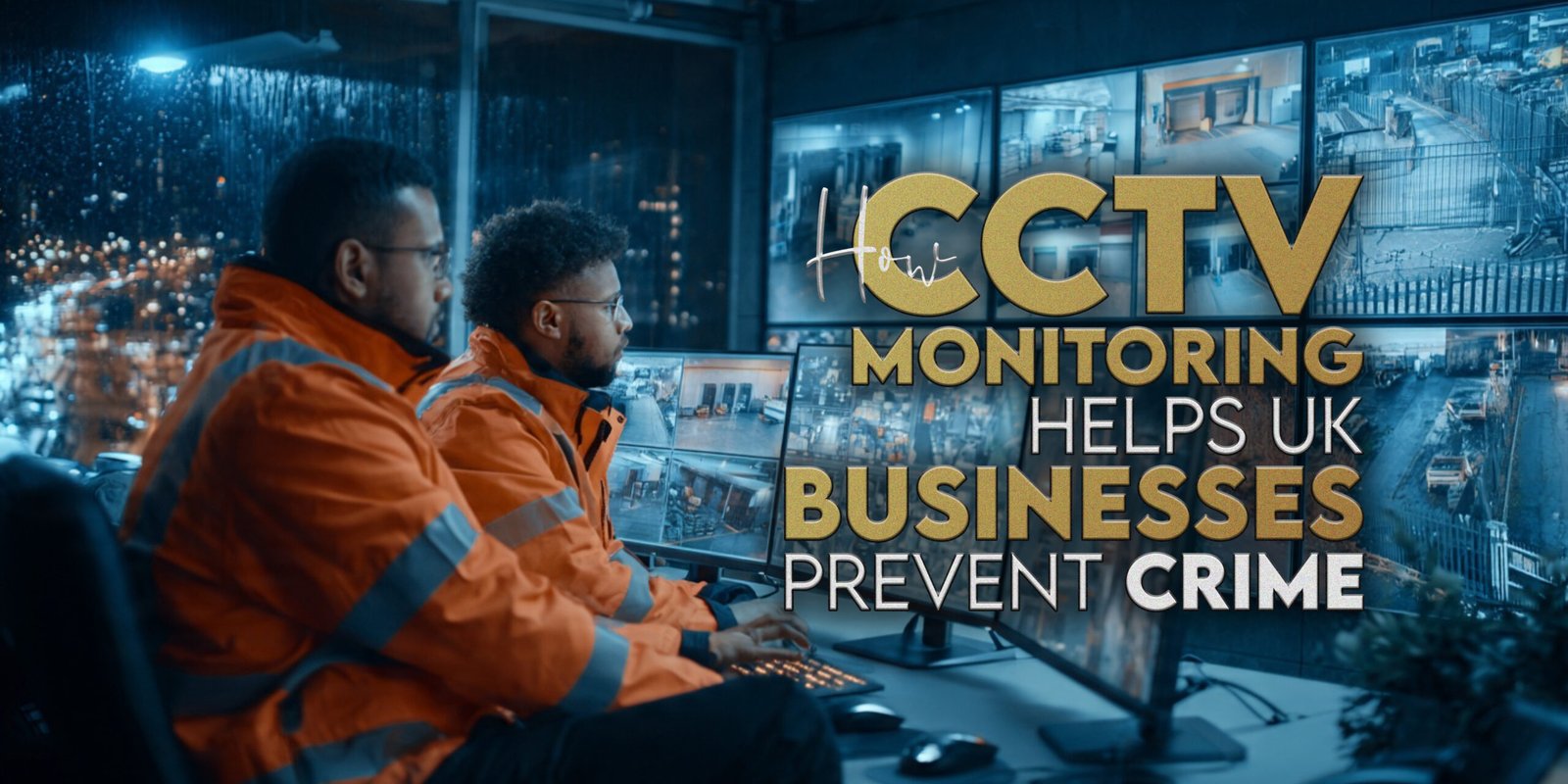
CCTV monitoring for businesses helps UK companies improve visibility, manage incidents and build a stronger commercial security setup. Cameras alone do not always give businesses enough control. Without the right monitoring plan, blind spots, poor camera placement, weak response procedures, after-hours risks, theft and high-footfall pressure can still affect daily operations.
A retail store may need visibility around tills, stock rooms and busy entrances. A warehouse may need camera coverage near goods-in, goods-out, loading bays and external boundaries. Meanwhile, an office or commercial landlord may need business surveillance around receptions, car parks, shared access points and staff-only areas.
Therefore, choosing the right CCTV monitoring for businesses setup means looking beyond equipment. Businesses need clear camera placement, remote CCTV monitoring options, response procedures, maintenance support and wider security planning.
This guide explains how CCTV monitoring works, what commercial CCTV UK users should check and how H&D Security can help businesses choose a setup that fits their building, risk level and operating hours.
Quick Answer: What Is CCTV Monitoring for Businesses?
CCTV monitoring for businesses means using cameras, recording systems and live or remote monitoring support to watch key commercial areas, review incidents and follow agreed response procedures. It helps businesses improve visibility around entrances, stock areas, car parks, delivery bays, staff-only zones and out-of-hours premises.
Key Takeaways
- CCTV monitoring for businesses works best when cameras connect to clear response procedures.
- Remote CCTV monitoring can support after-hours sites, car parks, warehouses and external areas.
- Commercial CCTV UK setups should consider camera quality, placement, recording, lighting and maintenance.
- Crime prevention cameras need careful positioning around entrances, stock areas, tills and loading bays.
- Business surveillance should form part of wider security planning, not work as a standalone fix.
What Is CCTV Monitoring for Businesses?
CCTV monitoring for businesses is the process of using cameras and monitoring systems to view, record and manage activity across commercial premises. It may involve on-site viewing, remote CCTV monitoring, motion alerts, incident escalation or evidence review.
A good setup can support:
- Retail stores
- Shopping centres
- Warehouses
- Offices
- Business parks
- Industrial units
- Construction sites
- Car parks
- Hospitality venues
- High-footfall premises
- Multi-site businesses
- Commercial landlords
- Out-of-hours premises
- Staff-only areas
- Delivery bays
The goal is not only to install cameras. Instead, CCTV monitoring for businesses should help the business understand what needs watching, when monitoring should happen and what response should follow if something looks wrong.
For example, a camera covering a loading bay may help review delivery activity. However, remote CCTV monitoring can add more value if the site needs out-of-hours alerts and escalation procedures.
Why CCTV Monitoring for Businesses Matters in the UK
CCTV monitoring for businesses matters because commercial premises face different risks during trading hours, after closing and during busy periods.
Common concerns include:
- Unauthorised access
- After-hours activity
- Retail theft
- Workplace incidents
- Building entry points
- Blind spots
- Staff concerns
- Visitor movement
- Stock areas
- Car parks
- Delivery areas
- Shared access routes
- Commercial security planning
A standard camera may record what happened. However, a monitored setup can help businesses identify activity sooner and follow a planned response. This matters for sites that operate late, hold stock, receive deliveries, manage visitors or experience high footfall.
Because every premises works differently, CCTV monitoring for businesses should match the building layout, opening hours, staffing levels and risk profile.
How Remote CCTV Monitoring Works
Remote CCTV monitoring allows trained monitoring teams or authorised users to view camera activity from another location. This can help businesses that need support outside normal working hours or across multiple sites.
CCTV Monitoring for Businesses with Live Camera Monitoring
Live camera monitoring can help businesses review important areas during agreed times. This may include entrances, yards, car parks, stock areas or loading bays.
CCTV Monitoring for Businesses After Hours
Out-of-hours monitoring can support premises when staff leave the site. This may suit offices, warehouses, industrial units, retail parks and construction sites.
CCTV Monitoring for Businesses with Motion Alerts
Motion alerts can flag movement in agreed areas. However, businesses need clear rules so alerts do not create unnecessary noise or missed follow-up.
Remote CCTV monitoring may include:
- Live camera monitoring
- Out-of-hours monitoring
- Motion alerts
- Incident escalation
- Monitoring stations
- Keyholder contact
- Audio warnings where suitable
- Evidence review
- Site-specific response procedures
- Integration with guards or patrols
This approach works best when the provider understands the site layout and escalation process. For example, a warehouse may need different monitoring rules from a retail store or office building.
Commercial CCTV UK: What Businesses Should Look For
A strong commercial CCTV UK setup should combine camera quality, suitable placement, recording options and response planning.
Businesses should review:
Camera Quality
Clear footage helps businesses review incidents properly. Poor quality can reduce the value of recorded evidence.
Coverage Areas
Camera placement should cover high-risk areas without leaving obvious blind spots.
Recording Quality
Recording quality should support later review. Storage, retention and access rules should also match business needs.
Remote Access
Remote access can help managers view sites when they cannot attend in person.
Monitoring Options
Businesses should decide whether they need live monitoring, remote CCTV monitoring, alerts or standard recording.
Night Visibility
Night visibility matters for car parks, yards, loading bays, external routes and out-of-hours premises.
Data Handling
Businesses should handle footage responsibly and keep access controlled.
Installation Planning
Installation should follow the site layout, lighting conditions, access points and operational needs.
Maintenance Support
Commercial CCTV UK systems need maintenance, cleaning, checks and occasional adjustment.
Response Procedures
Every monitored system needs a clear response plan. Otherwise, alerts may not lead to useful action.
The best CCTV monitoring for businesses setup combines technology with planning.
Crime Prevention Cameras: Where Should Businesses Place Them?
Crime prevention cameras can help businesses improve visibility in areas where incidents, theft or unauthorised access may occur. However, placement matters more than camera numbers alone.
Useful camera locations include:
- Entrances
- Exits
- Reception areas
- Stock rooms
- Loading bays
- Car parks
- Till areas
- Staff-only zones
- Delivery points
- High-footfall areas
- External boundaries
- Shared access points
For example, retail stores often need cameras around tills, entrances and stock rooms. Warehouses may need coverage near loading bays, goods-in, goods-out and external boundaries. Offices may need business surveillance near receptions, car parks and visitor access points.
Before adding cameras, businesses should walk the site and identify blind spots. Then they should place cameras where they support clear visibility and response planning.
Business Surveillance for Retail, Offices and Warehouses
Business surveillance needs to match the sector. A retail site, office and warehouse all face different activity patterns.
Retail Sites
Retail sites need support for customer flow, stock areas, tills, entrances and high-footfall spaces. Busy shops may also need stronger monitoring during peak trading, promotions and seasonal periods.
Offices
Offices need support for reception areas, staff-only areas, car parks, shared access routes and visitor access. Commercial landlords may also need CCTV monitoring for communal spaces.
Warehouses
Warehouses need support for goods-in, goods-out, loading bays, stock movement and out-of-hours activity. Camera coverage can also help review delivery issues.
Industrial Units
Industrial units need support for external areas, access points, equipment areas and delivery routes.
In each setting, CCTV monitoring for businesses should match real site activity. Therefore, businesses should avoid using the same camera plan for every location.
CCTV Monitoring vs Standard CCTV Recording
CCTV monitoring and standard CCTV recording can both support a commercial security plan. However, they work differently.
| CCTV Option | What It Does | Best For | Main Limitation | Planning Tip |
|---|---|---|---|---|
| Standard CCTV recording | Records footage for later review | Lower-risk areas and evidence review | May not support live response | Check recording quality and access |
| Remote CCTV monitoring | Allows off-site viewing and escalation | Out-of-hours sites and high-risk areas | Needs clear response procedures | Define alerts and keyholder process |
| Motion alert CCTV | Flags movement in selected zones | External areas and closed premises | Can create false alerts | Set zones carefully |
| On-site monitored CCTV | Staff view cameras from the premises | Large venues and staffed control rooms | Needs trained staff | Assign clear monitoring duties |
| CCTV with guards or patrols | Combines visibility with physical response | Higher-risk or large sites | Costs more than recording alone | Use for sites needing active response |
This table shows why CCTV monitoring for businesses should reflect site risk, opening hours and response needs.
How CCTV Monitoring Helps with Business Security Challenges
Businesses often face issues that cameras alone cannot solve without a wider plan. These can include theft, unauthorised access, weak after-hours control, poor visibility and blind spots.
H&D Security covers wider business security challenges that UK companies should review when planning commercial protection. CCTV monitoring can support this process by improving visibility, response planning, incident review and access control.
For example, a business may notice repeat activity near a rear entrance. CCTV monitoring can help identify the pattern. However, the business may also need better lighting, access control, mobile patrols or on-site guarding.
Therefore, CCTV monitoring for businesses should sit within wider business security planning.
CCTV Monitoring for High-Footfall Retail Premises
High-footfall retail premises need careful monitoring because customer movement, queue pressure and stock activity can change quickly.
CCTV monitoring can support:
- Busy entrances
- Customer flow
- Stock risk
- Till areas
- Queues
- Staff support
- Incident response
- Delivery areas
- Shared retail spaces
- Seasonal trading periods
H&D Security explains the need for retail security for high-footfall premises because busy sites often face pressure from several directions at once. Retail business surveillance can help managers review incidents, spot patterns and support staff during busier periods.
For shops, shopping centres and retail parks, CCTV monitoring for businesses should focus on both customer-facing areas and stock movement zones.
When CCTV Monitoring Should Work Alongside Security Guards
Some businesses need more than remote CCTV monitoring. They may need a combined approach that includes guards, patrols, keyholding, alarm response or access control.
A combined approach can suit:
- Larger warehouses
- Retail parks
- High-footfall premises
- Construction sites
- Industrial units
- Multi-site businesses
- Out-of-hours sites
- Commercial buildings with shared access
Security guards can provide on-site presence, while CCTV monitoring improves visibility. Mobile patrols can check wider premises, while remote CCTV monitoring can support after-hours alerts. Likewise, keyholding and alarm response can help businesses follow agreed escalation steps.
As a result, CCTV monitoring for businesses works best when businesses choose a setup that matches their risk level and response needs.
CCTV Monitoring Costs UK: What Affects the Price?
CCTV monitoring costs in the UK vary because every site has different requirements.
Common cost factors include:
Number of Cameras
More cameras usually mean higher installation, maintenance and monitoring costs.
Site Size
Large premises need more planning, cable routes, coverage checks and monitoring zones.
Monitoring Hours
Out-of-hours monitoring may cost less than 24-hour monitoring, depending on the setup.
Camera Quality
Higher-quality cameras may cost more, but they can improve footage clarity.
Existing CCTV Setup
If a business already has cameras, the provider may need to review compatibility.
Installation Requirements
Installation complexity can affect labour, access and equipment needs.
Remote Monitoring Needs
Remote CCTV monitoring may need additional setup, alert rules and response planning.
Maintenance Support
Ongoing maintenance helps keep cameras aligned, clean and operational.
Response Process
Keyholder contact, audio warnings, patrol response or guard integration can affect the overall cost.
Number of Locations
Multi-site businesses may need centralised monitoring and site-specific procedures.
Business Risk Level
Higher-risk sites may need stronger coverage and longer monitoring hours.
Out-of-Hours Coverage
Sites that operate late or sit empty overnight may need more structured monitoring.
CCTV Monitoring for Businesses Checklist
Use this checklist before choosing CCTV monitoring for businesses.
- Identify high-risk areas
- Review camera placement
- Check blind spots
- Confirm monitoring hours
- Plan response procedures
- Review access points
- Check lighting conditions
- Confirm recording quality
- Review staff-only zones
- Check car park coverage
- Consider remote CCTV monitoring
- Review delivery bays and loading areas
- Check external boundaries
- Plan maintenance checks
- Speak to a professional CCTV monitoring provider
This checklist helps businesses move from basic cameras to a more practical monitoring plan.
Common CCTV Monitoring Mistakes Businesses Should Avoid
Installing Cameras Without a Monitoring Plan
Cameras need clear purpose, placement and response procedures.
Ignoring Blind Spots
Blind spots can reduce the value of the whole system.
Choosing Poor Camera Locations
Poor placement may miss entrances, stock areas or key movement routes.
Not Reviewing Night Visibility
Cameras should work effectively during the hours the business needs them most.
Forgetting Car Parks and Loading Bays
External areas often need as much attention as internal spaces.
Not Planning Incident Escalation
Monitoring only helps when the response process is clear.
Using CCTV Without Regular Maintenance
Dirty, damaged or misaligned cameras can create weak coverage.
Not Training Staff on Reporting Procedures
Staff should know how to report incidents and who handles footage review.
Choosing Only by Price
Low-cost options may not provide the coverage, clarity or support the business needs.
Not Reviewing Business Surveillance Needs Regularly
Business surveillance needs change as sites, stock, staff and opening hours change.
Forgetting High-Footfall Risks
Busy premises need monitoring that accounts for queues, customer flow and stock movement.
Not Linking CCTV With Wider Security Planning
CCTV should support the wider commercial security plan.
Avoiding these mistakes helps CCTV monitoring for businesses deliver stronger practical value.
How Better CCTV Monitoring Strengthens Commercial Security Planning
Better CCTV monitoring for businesses can improve visibility, support incident response, reduce blind spots, help manage high-footfall sites, support workplace security and strengthen commercial security planning.
A strong setup helps businesses:
- Monitor key areas
- Review incidents more clearly
- Support staff reporting
- Improve response planning
- Understand site activity
- Identify repeat patterns
- Manage after-hours risks
- Support guards or patrols
- Improve building access control
- Strengthen business surveillance
However, CCTV monitoring should not replace good planning. Instead, it should support a wider commercial security setup that includes people, procedures, maintenance and regular reviews.
People Also Ask
What is CCTV monitoring for businesses?
CCTV monitoring for businesses means using cameras, recording systems and live or remote monitoring support to watch key commercial areas, review incidents and follow agreed response procedures.
How does remote CCTV monitoring work?
Remote CCTV monitoring works by allowing authorised monitoring teams or users to view camera activity from another location, review alerts, contact keyholders and follow site-specific escalation procedures.
Is CCTV monitoring better than standard CCTV recording?
CCTV monitoring can offer more active support than standard recording because it can include alerts, live review and escalation. Standard CCTV recording mainly helps with later footage review.
What businesses need commercial CCTV monitoring?
Retail stores, warehouses, offices, industrial units, construction sites, business parks, hospitality venues, car parks and multi-site businesses may need commercial CCTV monitoring.
Where should businesses place CCTV cameras?
Businesses should place cameras around entrances, exits, reception areas, stock rooms, loading bays, car parks, till areas, staff-only zones, delivery points and high-footfall spaces.
How much does CCTV monitoring cost in the UK?
CCTV monitoring costs depend on site size, number of cameras, monitoring hours, camera quality, installation needs, maintenance support, response procedures and business risk level.
Conclusion
CCTV monitoring for businesses helps UK companies improve visibility, support incident response and strengthen commercial security planning. However, cameras alone do not solve every problem. Businesses need the right monitoring setup, clear camera placement, strong response procedures and regular maintenance.
Remote CCTV monitoring can support after-hours premises, warehouses, car parks, delivery bays, retail sites and industrial units. Meanwhile, commercial CCTV UK setups should consider coverage areas, night visibility, recording quality, data handling and integration with guards or patrols where needed.
For retail stores, offices, warehouses, business parks, commercial landlords and high-footfall premises, CCTV monitoring for businesses works best when it forms part of a wider security plan.
Strengthen Your Business CCTV Monitoring Setup
Need CCTV monitoring for businesses across your retail site, office, warehouse, or commercial premises? Request a quote from H&D Security today and get commercial CCTV support built around your building, risk level, operating hours, and security needs.
Whether you need remote CCTV monitoring, commercial CCTV UK support, crime prevention cameras, business surveillance planning or a wider commercial security setup, H&D Security can help you choose the right approach.