Author: Nisar Noorani

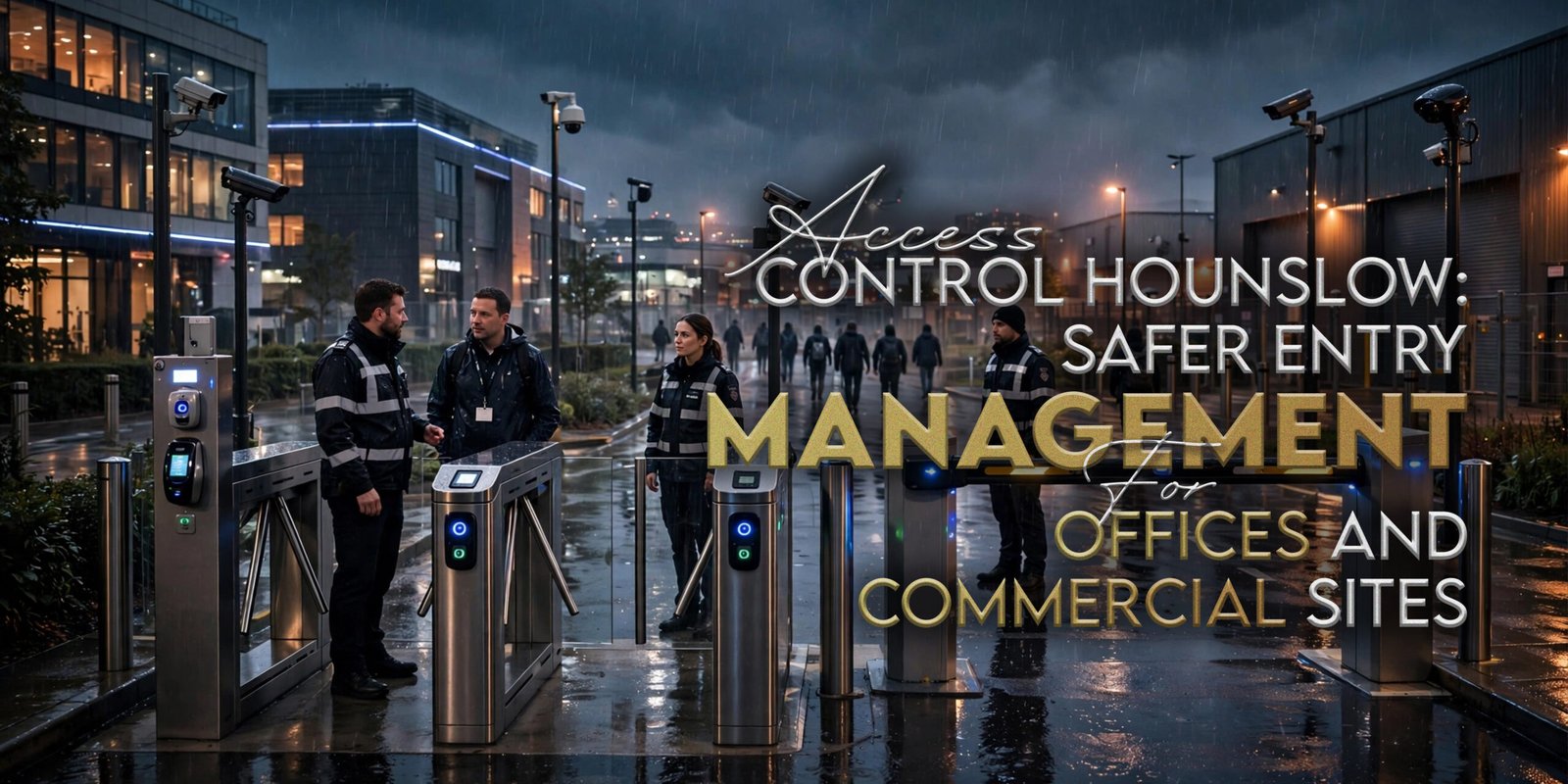
  • Access Control Hounslow: Safer Entry Management for Offices and Commercial Sites

    Access Control Hounslow: Safer Entry Management for Offices and Commercial Sites

    Offices and commercial premises may manage employees, visitors, contractors, deliveries and restricted areas through several entrances. A useful access control Hounslow plan should cover layout, users, hours, locks, CCTV, reception and emergency procedures.

    H&D Security is based in Hounslow and supports commercial clients with officers, access-control duties, CCTV, patrols and site procedures. Its current pages also reference support for offices, warehouses, retail premises, hotels, construction locations and Heathrow-area businesses.

    What Is Access Control for Commercial Premises?

    Commercial access control uses people, procedures and technology to decide who may enter particular doors or areas, when entry is allowed and how activity is recorded. It can combine credentials, electronic locks, door hardware, software, security officers, reception procedures, visitor records, CCTV and emergency arrangements.

    A small office and a logistics hub will rarely need the same access control Hounslow arrangement.

    Why Hounslow Businesses Need Clear Entry Management

    Hounslow offices, hotels, warehouses and logistics sites may handle contractors, deliveries, shift teams and vehicles across extended hours. H&D Security’s Heathrow guidance discusses visitor checks, contractor verification, driver sign-in, access control and reception support.

    Clear procedures can improve consistency without guaranteeing prevention. A practical access control Hounslow plan should show who can enter and who handles exceptions.

    How to Plan Access Control Hounslow Businesses Can Use

    Businesses should plan access control Hounslow arrangements by mapping every entrance, identifying user groups, listing restricted areas and reviewing working hours. They should then define visitor, contractor, delivery and vehicle procedures before selecting cards, fobs, PINs, intercoms or biometric tools.

    Use this sequence:

    1. Map every pedestrian and vehicle entrance.
    2. Identify employees, visitors, contractors, cleaners and delivery drivers.
    3. List rooms or zones with restricted access.
    4. Review daytime, night and weekend use.
    5. Decide how temporary entry will be approved.
    6. Review CCTV and reception coverage.
    7. Define emergency access and exit procedures.
    8. Set onboarding, offboarding and credential-replacement rules.
    9. Confirm reporting, maintenance and data responsibilities.

    Planning should precede product selection.

    Types of Door Access Control

    For access control Hounslow projects, door access control can use mechanical keys, PINs, cards, fobs, mobile credentials, biometrics or intercoms. No method is universally best; the choice depends on users, doors, hours and record needs.

    Access MethodBest Suited ToMain AdvantagesLimitationsWhat to Check
    Mechanical keysSmall sites with few usersFamiliar and simpleLost keys can require lock changes; no entry logKey issue, return and duplication rules
    Keypad or PINShared doors and smaller teamsNo physical credential requiredCodes may be sharedIndividual codes, change process and failed-entry rules
    Card or key fobOffices, warehouses and multi-door sitesIndividual permissions and quick deactivationCards can be lost or passed to othersPermission groups, replacement and audit records
    Mobile credentialSmartphone-enabled workplacesRemote issue and removalDevice and platform compatibilityUser support, offline operation and privacy terms
    Biometric entrySpecific controlled areasCredential linked to an individualGreater privacy and proportionality concernsLawful basis, DPIA, alternatives and supplier terms
    Intercom or video entryOffices and managed buildingsReception can communicate before entryDepends on staff availability and equipment positionCall routing, recording and out-of-hours procedure

    Mechanical Keys

    Keys may suit a small premises with few users, but they provide limited records. Document issue, copying and return procedures.

    Keypad and PIN Entry

    PIN systems can suit shared doors or smaller teams. Because codes can be disclosed, door access control procedures should cover individual codes, changes and leavers.

    Card and Key-Fob Systems

    Cards and fobs support individual permissions, quick deactivation and access records. Businesses should define issue, permitted areas and lost-credential reporting.

    Mobile Credentials

    Mobile credentials may allow remote issue and removal, although compatibility and staff support need review.

    Biometric Entry

    Biometric tools may use fingerprints or facial recognition. When biometric data is used to uniquely identify workers, the ICO treats it as special-category data and says organisations need an appropriate lawful basis, a separate condition and a DPIA before processing begins.

    Consequently, biometric access control Hounslow needs specialist privacy, legal and technical assessment. Businesses should consider whether a less intrusive method can meet the same purpose.

    Intercom and Video Entry

    Intercoms let reception or another authorised person speak with a visitor before releasing a door. Video entry may add visual confirmation where configured.

    This option can suit offices and managed receptions, but out-of-hours procedures still need definition.

    Office Access Systems for Staff and Visitors

    Within access control Hounslow planning, office access systems should separate routine employee entry from visitor, contractor and temporary-worker access. They may also restrict server rooms, records storage, stockrooms, meeting floors and back-office areas.

    A practical office process should cover starters, leavers, lost credentials, temporary staff, visitors, contractors and reception escalation.

    For an office access control Hounslow plan, entry permissions should reflect job roles rather than giving every user access to every door.

    Commercial Access Control for Warehouses and Logistics Sites

    Warehouse access control Hounslow often coordinates staff gates, vehicles, driver sign-in, loading bays, contractors and restricted stock areas.

    A Heathrow-area warehouse may need separate staff, driver and contractor processes. H&D Security’s guidance highlights driver sign-in, goods-in areas, loading bays, HGV parking and CCTV.

    RequirementOffice SiteWarehouse or Logistics Site
    Main usersEmployees, visitors, contractorsStaff, drivers, contractors and agency teams
    Entry pointsReception and staff doorsGates, turnstiles, yards, loading bays and staff entrances
    Restricted areasServer rooms, records and management floorsStockrooms, returns, dispatch and equipment zones
    Visitor processReception sign-in and temporary passDriver or contractor verification and route instructions
    Vehicle processOften limitedBarrier, gatehouse, booking and vehicle records
    Operating hoursCommonly office hours plus exceptionsFrequently early, late, night and weekend shifts

    The access control Hounslow brief should explain how vehicle and pedestrian access interact.

    Access Control for Hotels and Hospitality Premises

    Hotels may need different arrangements for guest entrances, staff-only areas, function suppliers, delivery routes, maintenance contractors and back-of-house spaces.

    Guest-room and whole-site systems may require different specialists. For hospitality access control Hounslow planning, separate guest convenience from staff, supplier and restricted-area permissions.

    Business Entry Security: People, Technology and Procedures

    In access control Hounslow projects, business entry security works best when people, technology and procedures support one another. Strong hardware cannot fix unclear rules, shared credentials or weak offboarding.

    Common gaps include shared credentials, held-open doors, unrecorded visitors, active credentials for leavers and contractors arriving outside approved hours.

    Therefore, access control Hounslow decisions should address behaviour and management, not only equipment.

    How Security Officers Support Access Control

    Security officers can support access control Hounslow through agreed identification checks, visitor records, temporary passes, contractor entry, delivery directions, vehicle logs and entrance observations. They can also report access concerns and escalate them through the site procedure.

    Duties depend on the contract, instructions and licensing. H&D Security’s website states that its SIA personnel may support site access control, visitor screening, incident logging and customer service on static and retail sites.

    Officers add human judgement where access control Hounslow arrangements involve visitors, exceptions or changing activity.

    Officers Versus Electronic Access Systems

    RequirementElectronic SystemSecurity Officer
    Routine staff entryChecks active credentialsCan support exceptions and identity procedures
    Visitor communicationLimited unless connected to an intercomCan explain procedures and direct visitors
    Time-based permissionsCan apply programmed schedulesFollows agreed shift and site instructions
    Access recordsMay create electronic logsCan produce visitor and incident records
    Lost credential responseCan deactivate the credentialCan verify the person through agreed procedures
    Unexpected activityGenerates alerts where configuredCan assess and escalate within role boundaries

    Some premises need only technology; others may need officer-supported access control Hounslow.

    How CCTV Supports Entry Management

    CCTV can support access control Hounslow through entrance visibility, visitor verification, loading-bay oversight and door-alert reviews. It can also give reception or authorised teams a wider view of entry activity.

    However, CCTV does not replace credential management, visitor procedures or trained personnel. ICO guidance says organisations using surveillance systems must identify and document a lawful basis, while H&D Security describes CCTV as one part of a wider plan involving guarding, access procedures and reporting.

    The access control Hounslow plan should define viewing rights, alert handling and how cameras relate to doors and reception points.

    Integrating Access Control with Wider Business Security

    An access control Hounslow plan may work alongside officers, CCTV, patrols, keyholding, alarm response, reception procedures and incident reporting. Integration can reduce service gaps.

    H&D Security states that it reviews layout, access points, hours, staff movement and visitor flow before recommending guards, CCTV, patrols and procedures.

    Businesses can explore integrated business security solutions when deciding how access control Hounslow requirements connect with wider commercial support.

    Access Management for Heathrow-Area Businesses

    Heathrow-area businesses may manage shift teams, delivery drivers, contractors, hotel guests, visitors and vehicles across extended hours. The local context may therefore require clear staff, contractor and vehicle procedures.

    H&D Security’s Heathrow-area security services guidance covers visitor checks, contractor verification, driver sign-in, key control and reception support around Heathrow, Hounslow and West London.

    This does not imply work inside airport-controlled zones. Access control Hounslow planning should focus on the commercial premises and agreed duties.

    Access-Control Data and UK Privacy Considerations

    Access systems may collect names, identifiers, entry times, visitor records, vehicle registrations, images and biometric information. Businesses should define a lawful purpose, minimise collection and justify retention.

    For access control Hounslow, ICO guidance says worker-monitoring rules can apply to access systems. Organisations should balance business needs with workers’ rights, minimise data and justify retention.

    Consider why each field is needed, who can view records, retention, privacy information, supplier access, rights requests and whether a DPIA is needed.

    Biometric identification requires additional care because it may involve special-category data. Businesses should obtain specialist advice before deployment.

    What Affects the Cost of Commercial Access Control?

    The cost of access control Hounslow depends on doors, locks, credentials, cabling, software, networks, intercoms, integrations, users and ongoing support.

    Other factors include CCTV or alarm integration, barriers, multiple sites, subscriptions, officer support, maintenance and expansion.

    The lowest installation figure may not equal the lowest ownership cost. When comparing access control Hounslow quotations, review installation, licences or subscriptions, maintenance, credential replacement, training and future expansion.

    What Information Should a Business Prepare?

    A provider needs enough information before recommending equipment or officer support.

    Prepare the full site address, premises type, entrances, users, visitor and contractor activity, deliveries, vehicles, restricted areas, hours, existing systems, network, reception, required reports, maintenance and budget.

    A detailed access control Hounslow brief improves technical and commercial comparison.

    Discuss Entry Management for Your Site

    At H&D Security, we help Hounslow businesses review entrances, visitors, staff access, hours and existing systems. Its current website presents access control, visitor management, CCTV and officer-supported services as parts of wider commercial security planning.

    Businesses can request a tailored access-control quotation by sharing the location, premises type, entrances, user numbers, existing CCTV or alarms and reporting needs. Scope, pricing and timing depend on the final requirement.

    How to Compare Access-Control Providers

    Businesses should compare commercial experience, assessment, entry options, credential management, integrations, privacy, maintenance and terms.

    Review the site assessment, supported credentials, door compatibility, permission management, visitor workflows, integrations, privacy responsibilities, maintenance, reporting, scalability, price and local coverage.

    Use the same site brief for every access control Hounslow provider.

    Questions to Ask Before Choosing a Provider

    1. Which system fits this building and user group?
    2. How many doors and users can it support?
    3. Can permissions vary by person, area and time?
    4. How are lost cards, fobs or phones removed?
    5. How are starters, leavers and role changes managed?
    6. Can visitors receive temporary credentials?
    7. Can the system integrate with CCTV, alarms or intercoms?
    8. Which access records are available?
    9. How is personal information handled?
    10. What maintenance is required?
    11. What happens during power or network failure?
    12. What does the quotation include?

    Common Access-Control Mistakes

    Avoid these mistakes:

    • Buying hardware before mapping entrances
    • Giving too many users unrestricted access
    • Sharing cards or PINs
    • Failing to remove former employees
    • Ignoring contractors, cleaners and agency staff
    • Leaving visitor procedures unclear
    • Failing to review door hardware
    • Forgetting vehicle access
    • Ignoring emergency-exit requirements
    • Collecting more personal data than needed
    • Choosing biometrics without a proper assessment
    • Treating CCTV as a substitute for access control
    • Failing to plan maintenance
    • Giving officers unclear instructions
    • Never reviewing access logs
    • Selecting solely by installation price

    Review keeps access control Hounslow aligned with operational changes.

    Access Control Hounslow Checklist

    Use this checklist before selecting a system or service:

    • Map every entrance.
    • Identify each user group.
    • List restricted areas.
    • Review current locks and doors.
    • Confirm staff numbers.
    • Review visitor volume.
    • Plan contractor access.
    • Plan delivery and vehicle access.
    • Compare credential types.
    • Review CCTV integration.
    • Check alarm and intercom integration.
    • Set onboarding procedures.
    • Set offboarding procedures.
    • Define emergency access and exit arrangements.
    • Review data-protection requirements.
    • Confirm maintenance responsibilities.
    • Compare full ownership costs.
    • Review the arrangement regularly.

    Frequently Asked Questions

    What Is Commercial Access Control?

    Commercial access control combines doors, locks, credentials, permissions, records and procedures to manage who can enter a workplace or restricted area. It may also involve reception staff, security officers, CCTV and visitor records. The suitable arrangement depends on the premises, users and operating hours.

    Which Access-Control System Suits an Office?

    Many offices use cards or fobs because permissions can change when staff join, leave or change roles. Smaller premises may use PINs or intercom entry. The right choice depends on doors, users, visitor volume, restricted areas and reporting needs.

    How Does Door Access Control Work?

    Door access control checks a key, PIN, card, fob, mobile credential or biometric identifier against configured permissions. If the credential is valid for that door and time, the system can release the electronic lock and record the event where logging is enabled.

    Can Security Guards Manage Building Access?

    Security officers can support agreed identification checks, visitor records, temporary passes, delivery directions, contractor entry and vehicle logs. Their duties depend on site instructions, the contract and any relevant licensing requirements. Management procedures should still define permissions.

    Can CCTV Integrate with an Access-Control System?

    Some systems can link door events with camera footage or alerts. Compatibility depends on the equipment, software and supplier. Businesses should confirm what is integrated, who can view information and how long records are retained.

    How Should Warehouses Manage Vehicle Entry?

    Warehouses should define driver verification, vehicle booking, gate or barrier operation, loading-bay routes, contractor access and after-hours procedures. An access control Hounslow warehouse plan may combine gatehouse records, electronic credentials, CCTV and officer support.

    Are Biometric Access Systems Suitable for Offices?

    They may suit particular restricted areas, but businesses must consider necessity, proportionality and data protection. Biometric identification can involve special-category data, and the ICO says employers should complete a DPIA before using it to identify workers. Specialist advice is recommended.

    What Information Do Office Access Systems Record?

    Depending on configuration, office access systems may record credential identifiers, doors used, entry times, failed attempts and permission changes. Businesses should collect only what they need, restrict access to records and set a justified retention period.

    How Much Does Commercial Access Control Cost?

    Costs vary with doors, locks, credentials, software, cabling, integrations, users, subscriptions and maintenance. Businesses should compare full ownership costs rather than only the initial installation figure.

    Why Should Hounslow Businesses Use a Local Provider?

    A local provider may understand Hounslow and West London building types, shift travel, Heathrow-area delivery activity and access planning. However, businesses should still compare technical capability, privacy awareness, maintenance, contract terms and price.

    Can H&D Security Support Heathrow-Area Commercial Sites?

    H&D Security’s current site describes commercial support around Heathrow, Hounslow and West London, including access control, visitor checks, contractor verification, driver sign-in, CCTV, patrols and reporting. Suitability depends on the premises and agreed service.

    What Should I Include When Requesting an Access-Control Quotation?

    Provide the site address, premises type, entrances, users, visitors, contractors, deliveries, vehicle access, restricted areas, hours, existing systems, required records, maintenance expectations and budget range. A complete brief helps providers compare suitable options.

    Plan Entry Management Around the Building

    Effective access control Hounslow begins with layout, users and hours. Businesses should map entrances, define staff and visitor procedures, manage contractors and vehicles, and select credentials that fit the work.

    Officer support, CCTV integration, data handling, maintenance and full ownership cost also shape access control Hounslow decisions. Most importantly, the system should change when staff, tenants, doors or operating patterns change.

    Hounslow and Heathrow-area businesses can request an access-control quote from H&D Security by sharing their entrances, user groups, existing systems and entry requirements. The final access control Hounslow recommendation should follow a site-specific assessment.
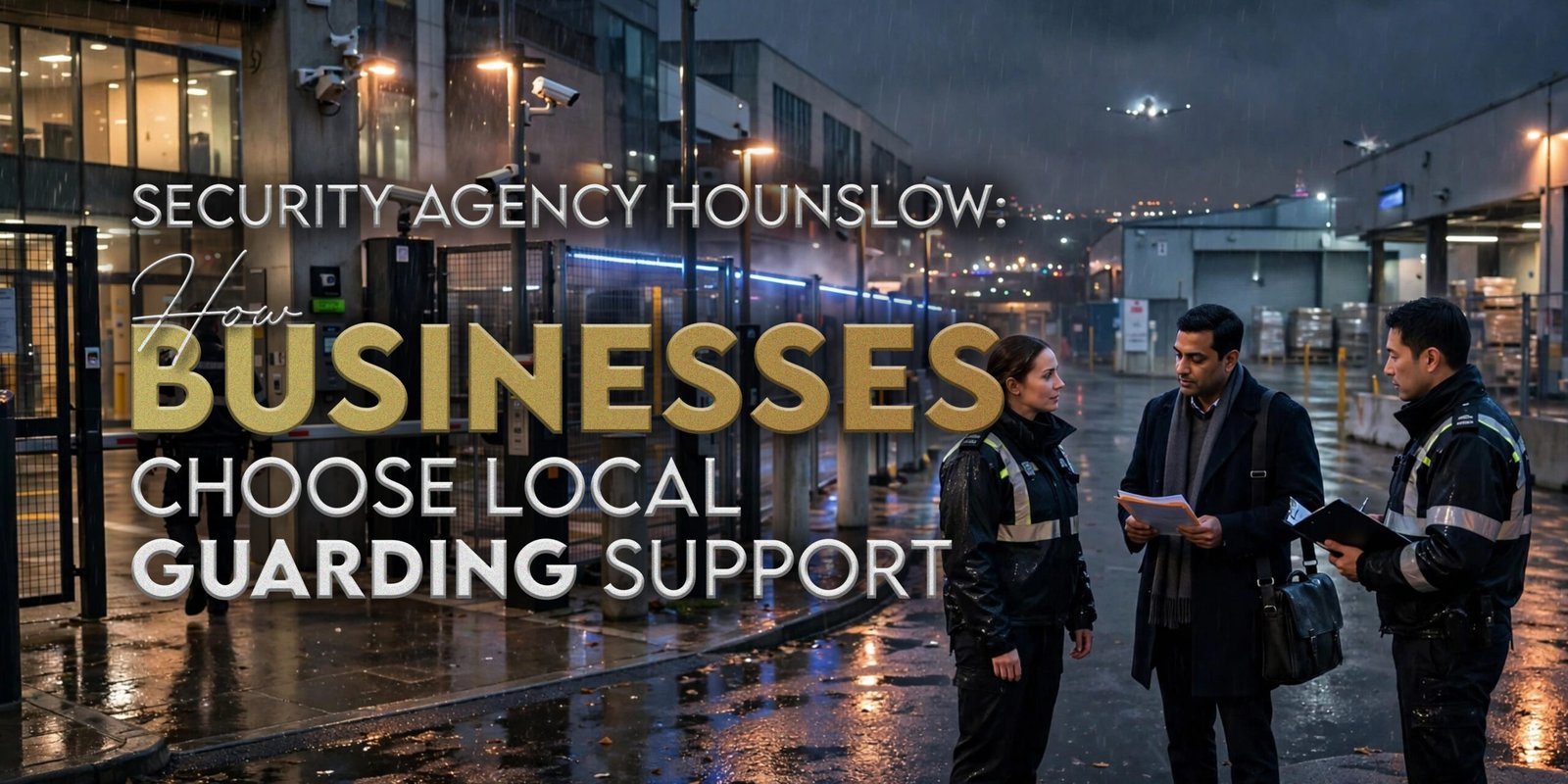
  • Security Agency Hounslow: How Businesses Choose Local Guarding Support

    Security Agency Hounslow: How Businesses Choose Local Guarding Support

    Choosing local security support involves more than selecting the nearest result or comparing headline prices. A business assessing a security agency Hounslow provider should consider the premises, hours, access points, visitor activity, deliveries, existing CCTV, required duties, SIA licensing, reporting expectations and budget.

    H&D Security operates as a security agency in Hounslow and supports businesses with guarding, patrols, door supervision and CCTV services. For a security agency Hounslow search, the arrangement still depends on the site, required hours and agreed responsibilities. H&D Security’s current site identifies mobile patrols, CCTV monitoring and door supervision among its services.

    What Does a Security Agency in Hounslow Do?

    A local security agency may provide on-site officers, door supervisors, mobile patrols, CCTV-related support, keyholding, alarm response, event personnel and access-management assistance. A security agency Hounslow comparison should begin by checking which of those services the premises actually needs.

    Service suitability depends on the premises, duties, operating hours and licence requirements. Businesses should therefore define the operational need before comparing providers or requesting prices.

    For many clients, security services Hounslow requirements begin with access, visitor handling, reporting, scheduled patrols or CCTV rather than continuous guarding.

    How Should Businesses Choose a Security Agency in Hounslow?

    Businesses should compare a security agency Hounslow provider by checking appropriate SIA licensing, relevant premises experience, suitable service options, site planning, communication, reporting, escalation procedures, contract terms and transparent pricing.

    Local knowledge can help with travel and access. However, processes and suitability matter more than slogans.

    A clear comparison should identify:

    • The operational purpose
    • The actual duties
    • The licence or technical requirement
    • The reporting process
    • The complete quotation scope

    When comparing providers, give each company the same site information. Otherwise, the prices and proposed services may not cover the same scope.

    Start with the Site’s Actual Requirements

    Every premises has a different operating pattern. Before approaching a security agency Hounslow business decision-makers should document how the site functions, where people enter and what requires regular attention.

    Review the premises type, hours, access points, visitor volumes, deliveries, existing systems, overnight activity and customer-facing expectations.

    A warehouse near Heathrow may prioritise vehicle access, delivery records and out-of-hours activity. Meanwhile, an office in Hounslow may focus on reception procedures, contractors and evening access.

    In both cases, a security agency Hounslow brief should describe the operational objective rather than use a generic service label.

    Not every location needs the same combination of guards, patrols and technology. Therefore, define the objective before choosing security services Hounslow businesses may be offered.

    Security Services Hounslow Businesses May Consider

    The appropriate service depends on whether the premises needs continuous interaction, periodic attendance, visual coverage or a combination.

    A security agency Hounslow provider should explain how each option relates to the site rather than recommend one standard package.

    On-Site Security Officers

    On-site officers remain at the premises during agreed hours. Depending on the assignment, they may support access management, visitor handling, delivery coordination, routine observations, agreed patrols, reception procedures and incident reporting.

    A security agency Hounslow proposal should link each duty to the agreed post instructions. The assignment instructions should also identify the reporting manager, escalation route and limits on the role.

    Security guards Hounslow businesses appoint should understand the environment and customer-facing expectations. A warehouse gatehouse role differs from a corporate reception or retail entrance.

    Door Supervisors

    Door supervisors may work at licensed venues, events and customer-facing premises where door-supervision activities apply. The correct licence depends on the actual duties and setting.

    Therefore, a security agency Hounslow venue proposal should identify the premises type and entrance responsibilities clearly.

    Separate door supervision from general stewarding because some stewarding activities are not licensable, while other entrance or guarding duties may require an appropriate licence. Current SIA guidance confirms that general duties such as directing people to seats or facilities do not ordinarily require a licence, while refusing entry or performing licensable guarding duties can change the position.

    Security Agency Hounslow Checks for Mobile Patrols

    Mobile patrols involve scheduled or agreed visits rather than a continuous on-site post. They may suit premises that need periodic attendance around external areas, doors, yards or car parks.

    When reviewing a security agency Hounslow patrol option, compare the visit scope with the site’s active periods.

    Businesses can review H&D Security’s mobile security patrols in Hounslow when considering whether planned visits match their operating requirements.

    Before selecting patrols, confirm:

    • Visit windows
    • Areas covered
    • Reporting format
    • Escalation arrangements
    • Changes to site requirements
    • Responsibilities following an observation

    A security agency Hounslow patrol proposal should make the scope easy to understand.

    Commercial CCTV Systems

    CCTV can provide visual coverage and recorded material for review. However, a camera cannot speak with a visitor, question a delivery driver or complete every site procedure.

    A security agency Hounslow discussion should therefore separate camera functions from duties requiring human interaction.

    H&D Security’s commercial CCTV systems page gives businesses a route to explore camera-system options for commercial premises.

    Before choosing a system, review:

    • Coverage areas
    • Image quality
    • Footage-retention requirements
    • Authorised access
    • Maintenance responsibilities
    • Monitoring responsibilities
    • Incident escalation
    • Integration with wider site procedures

    A security agency Hounslow provider should distinguish equipment, monitoring and human-response responsibilities clearly.

    Event and Venue Security

    Events and venues may require entrance procedures, guest direction, queue management, crowd movement and escalation routes. However, the licence position depends on the actual duties.

    Some events use both stewards and SIA door supervisors. The organiser should define each role, identify which tasks are licensable and provide a clear briefing.

    A security agency Hounslow event proposal should show those role boundaries in writing. H&D Security’s current website lists door supervision and event-related roles among its services and opportunities.

    On-Site Guards Versus Mobile Patrols

    On-site officers provide continuous presence during agreed hours, while mobile patrol personnel attend at scheduled or agreed intervals.

    High-activity premises may need regular human interaction. In comparison, a quieter site may only need periodic attendance.

    OptionSite PresenceTypical UseMain BenefitWhat to Confirm
    On-site officerContinuous during the shiftActive entrances, receptions, gates and extended operationsOngoing human interactionDuties, hours, supervision and licence
    Mobile patrolPeriodic attendanceExternal checks, vacant periods and lower-activity sitesPlanned visits without a permanent postVisit scope, reporting and escalation
    Combined arrangementGuarding during selected hours plus patrol visitsSites with different daytime and overnight needsSupport aligned with changing activityBoundaries between each service

    A security agency Hounslow quotation should state which areas and hours each option covers. When comparing patrols with guarding, businesses should not assume that periodic visits provide continuous presence.

    Guarding Versus Commercial CCTV

    Personnel and CCTV support different functions. Cameras provide visual coverage or recordings, while officers can communicate, interpret changing situations and follow site procedures.

    RequirementCCTV May SupportOfficers May Support
    Site visibilityLive or recorded imagesDirect observations during assigned hours
    Visitor accessVisual confirmation where configuredCommunication, records and directions
    DeliveriesRecorded vehicle activityDriver instructions and access procedures
    Incident reviewFootage for authorised reviewWritten reports and escalation
    Changing situationsAlerts or imagesHuman judgement within the agreed role

    Some businesses combine both. However, neither CCTV nor guarding removes every operational risk.

    A security agency Hounslow provider should explain what each layer can and cannot do as part of the service comparison.

    Check the Correct SIA Licence

    The Security Industry Authority regulates specified private-security activities in the UK. The required licence depends on the duties, premises and contractual arrangement.

    Current official guidance states that an SIA licence is needed when the work forms part of a contract for services and involves a licensable activity. It identifies security guarding, door supervision, public-space-surveillance CCTV, close protection and keyholding as distinct areas.

    A security guarding licence may apply to relevant contracted guarding duties. Door supervision at licensed premises can require a door supervisor licence.

    Public-space-surveillance CCTV work may require the relevant licence when equipment is used for specified guarding purposes. The security guarding licence does not cover every public-space-surveillance activity.

    Businesses should:

    1. Define the duties.
    2. Identify the likely licence category.
    3. Check current official guidance.
    4. Verify the person through the official SIA register.
    5. Confirm that the category matches the work.

    The official register allows businesses to check security guards, door supervisors, CCTV operators, close-protection operatives and key holders using licence or personal details.

    A security agency Hounslow provider should also explain how licence information relates to the planned duties.

    Licensing is essential where required, but it does not prove suitability for every site. Relevant experience, communication, assignment understanding and site induction also matter when choosing security guards Hounslow businesses can place in customer-facing or operational roles.

    What to Expect from Security Guards in Hounslow

    Clients should expect personnel to follow confirmed assignment instructions, communicate professionally, understand lawful role boundaries and use agreed reporting routes.

    Appropriate presentation, respectful visitor interaction and accurate routine records may also form part of the brief.

    Businesses should confirm:

    • Arrival and reporting instructions
    • Uniform requirements
    • Access and visitor procedures
    • Delivery responsibilities
    • Patrol or observation duties
    • Routine report format
    • Escalation contacts
    • Customer-facing conduct
    • Shift handover requirements

    A licence alone cannot guarantee individual performance. The security agency Hounslow provider and client should agree the role clearly before work begins, keeping the arrangement tied to real site expectations.

    Private security personnel do not gain police powers through an SIA licence. Duties should remain within the law, the licence category and the agreed assignment.

    Local Security Agency Versus a National Provider

    A local security agency may offer useful knowledge of nearby commercial areas, travel patterns and site access. A national provider may offer broader resources.

    Neither model is automatically better. A security agency Hounslow decision should compare coverage, communication, consistency and the main contact rather than rely on provider size.

    For Hounslow and Heathrow operations, shift travel and busy road networks can affect practical staffing. A local provider may understand those considerations, although it must still demonstrate licensing, suitable personnel and clear processes.

    Why Hounslow Location Knowledge Matters

    Hounslow includes offices, hotels, retail premises, logistics operations, warehouses and venues. Heathrow-related businesses may operate early or late shifts.

    Local knowledge can help a security agency Hounslow provider discuss travel, access routes and communication where a site has several entrances or changing delivery activity.

    H&D Security positions itself as a Hounslow provider supporting commercial premises around Hounslow, Heathrow and West London. Its warehouse guidance refers specifically to warehouse, logistics and commercial support across those areas.

    For a security agency Hounslow requirement, service suitability still depends on the premises, duties and hours.

    How to Compare a Security Company in Hounslow

    When evaluating a security company Hounslow businesses should compare processes rather than broad promises.

    Ask how the provider learns about the site, selects the service and communicates instructions.

    Review:

    • Services offered
    • SIA licence requirements
    • Relevant sector experience
    • Site-planning process
    • Officer or patrol instructions
    • Reporting arrangements
    • CCTV options
    • Contract terms
    • Pricing structure
    • Main contact
    • Feedback and complaint procedures
    • Service coverage

    Use the same written brief for each security company Hounslow comparison. This approach makes quotations more meaningful and exposes missing details.

    Information to Prepare Before Requesting a Quote

    A detailed brief helps a security agency Hounslow provider recommend and price an appropriate arrangement. It also allows every quotation to be compared against the same scope.

    Prepare:

    • Business name and full site address
    • Premises type
    • Operating hours
    • Required service
    • Number of officers
    • Shift dates and times
    • Actual duties
    • Access points
    • Visitor volumes
    • Delivery activity
    • Existing CCTV or alarms
    • Patrol expectations
    • Reporting requirements
    • Customer-facing duties
    • Uniform expectations
    • Site contact
    • Escalation instructions
    • Assignment duration
    • Budget considerations

    Explain the commercial objective. For example, “manage contractor access from 18:00 to 06:00” is more useful than “provide overnight security”.

    Discuss the Right Support for Your Site

    H&D Security helps businesses discuss guarding, patrol and CCTV requirements. Employers can provide their Hounslow or West London location, hours, personnel numbers, existing systems and reporting needs.

    Businesses can request a tailored security quotation after preparing their site requirements. Availability, scope and pricing depend on the assignment.

    What Should a Security Quotation Include?

    A clear quotation should state the service, hours, personnel numbers, licence requirements, reporting and pricing basis.

    Where relevant, it should also explain patrol frequency, CCTV work, supervision and escalation.

    Review:

    • Service scope
    • Required hours
    • Number of personnel
    • Licence category
    • Patrol scope or frequency
    • CCTV responsibilities
    • Reporting arrangements
    • Supervision
    • Escalation procedures
    • Contract duration
    • Amendment terms
    • Cancellation terms
    • Pricing structure
    • Client responsibilities
    • Provider responsibilities

    Do not compare quotations by the total alone. First confirm that each security agency Hounslow proposal covers the same duties and hours.

    Questions to Ask Before Choosing a Provider

    Ask every shortlisted provider the same questions:

    1. Which service best suits this site and why?
    2. Which SIA licence will the duties require?
    3. How is licence status confirmed?
    4. What relevant premises experience do the personnel have?
    5. How are site instructions communicated?
    6. Who serves as the main contact?
    7. How are incidents and routine activities reported?
    8. How are patrol visits recorded where relevant?
    9. Which CCTV-related services are included?
    10. What happens when requirements change?
    11. What information must the client provide?
    12. What are the amendment and cancellation terms?
    13. How is feedback handled?
    14. Which areas do you currently cover?
    15. What does the final price include?

    Clear answers show whether a security agency Hounslow provider has understood the site, scope and commercial terms.

    Common Security-Provider Comparison Mistakes

    Avoid these mistakes:

    • Choosing solely by price
    • Failing to define duties
    • Assuming every officer holds the same licence
    • Comparing slogans instead of processes
    • Ignoring local shift travel
    • Providing incomplete operating hours
    • Failing to explain access arrangements
    • Not naming a site contact
    • Assuming CCTV replaces every human function
    • Assuming personnel remove every operational risk
    • Overlooking reporting procedures
    • Ignoring contract terms
    • Failing to review the arrangement after launch

    A suitable security agency Hounslow arrangement should remain linked to current site needs rather than continue without review.

    Security Agency Hounslow Checklist

    Use this provider checklist before choosing a service:

    • Define the site requirement.
    • List the actual duties.
    • Confirm the premises address.
    • Identify the appropriate service.
    • Check SIA licence requirements.
    • Review relevant experience.
    • Compare on-site officers and patrols.
    • Assess CCTV requirements.
    • Confirm operating hours.
    • State personnel numbers.
    • Explain access arrangements.
    • Name the client contact.
    • Define reporting expectations.
    • Review escalation procedures.
    • Check contract terms.
    • Understand the pricing structure.
    • Confirm service coverage.
    • Review performance regularly.

    Frequently Asked Questions

    How Do I Choose a Security Agency in Hounslow?

    Choose a security agency Hounslow provider by comparing SIA licensing, relevant premises experience, guarding, patrol and CCTV options, local knowledge, communication, reporting and contract terms. Give each provider the same site brief and compare what the proposed price includes.

    Which Security Services Do Hounslow Businesses Use?

    Security services Hounslow businesses may consider include on-site officers, door supervision, mobile patrols, commercial CCTV, keyholding, alarm response and event personnel. The appropriate combination depends on operating hours, access points, visitor activity and the duties required.

    Do Security Guards in Hounslow Need an SIA Licence?

    A licence is generally required when contracted work involves a licensable security activity. The correct category depends on the duties. Security guarding, door supervision and public-space-surveillance CCTV have different licensing considerations.

    What Is the Difference Between On-Site Guards and Mobile Patrols?

    On-site officers remain at the premises during agreed hours. Mobile patrols attend at scheduled or agreed intervals. Continuous guarding may suit active sites, while patrols may suit premises needing periodic attendance.

    Can Commercial CCTV Replace Security Officers?

    Commercial CCTV can provide visual coverage and recorded material, but it cannot perform every visitor, delivery or communication task. Some sites use cameras without officers, while others combine both.

    What Should a Security Quotation Include?

    A security agency Hounslow quotation should define the service scope, hours, personnel numbers, licence needs, reporting, supervision, escalation, contract duration, pricing structure and responsibilities. Patrol or CCTV work should also be described where relevant.

    Why Should Businesses Consider a Local Security Agency?

    For a security agency Hounslow decision, local knowledge may clarify travel, road conditions, commercial areas and shift practicality. However, businesses should still compare licensing, service scope, communication, pricing and relevant experience.

    Which Commercial Premises May Require Security Support?

    Warehouses, retail premises, hotels, offices, venues, construction sites and logistics operations may consider security support. Not every site requires the same service, so businesses should assess access, activity and operating hours.

    How Can Businesses Compare Security Companies?

    For a security agency Hounslow comparison, provide every company with the same site, duty and shift information. Then compare licensing, relevant experience, service scope, communication, reporting, contract conditions and price.

    What Information Should I Provide Before Requesting a Quotation?

    Provide the site address, premises type, operating hours, required duties, service type, personnel numbers, access points, visitor and delivery activity, existing systems, reporting needs and assignment duration.

    Can H&D Security Support Sites Near Heathrow?

    H&D Security states that it supports warehouses, logistics sites and commercial premises across Hounslow, Heathrow and West London. Service suitability depends on the premises, duties and required hours.

    How Often Should a Business Review Its Security Arrangements?

    Review the arrangement when hours, access points, occupancy, deliveries or site requirements change. This confirms whether guarding, patrol and CCTV still match the commercial need.

    Choose Local Support Through a Clear Process

    The right security agency Hounslow provider should understand the premises before recommending a service.

    Businesses should assess:

    • Required duties
    • Appropriate licence category
    • Relevant premises experience
    • Local knowledge
    • Communication
    • Reporting
    • Patrol or CCTV needs
    • Contract terms
    • Pricing structure

    Transparent pricing also requires a consistent brief. Therefore, compare each security agency Hounslow quotation only after confirming that it covers the same scope and hours.

    Hounslow and West London businesses can request a security quote from H&D Security by sharing their site, operating hours, access points and required support.

    A clear brief helps H&D Security discuss guarding, patrol and CCTV options without relying on unsupported assumptions.

  • CCTV Camera Packages: What Businesses Should Compare Before Buying

    CCTV Camera Packages: What Businesses Should Compare Before Buying

    Businesses often compare cctv camera packages by camera count or headline price. However, those figures do not show whether the system will capture useful detail across entrances, exits, loading bays or car parks. In practice, site layout, lighting, lens choice, recording, storage, monitoring and installation all affect the final result.

    Meanwhile, H&D Security is based in Hounslow and supports commercial premises across Hounslow, Heathrow and West London. In addition, its current CCTV content lists four-camera, eight-camera and custom options, alongside HD or 4K cameras, DVR or NVR recording, remote viewing, night vision, motion detection, weather-resistant cameras, flexible storage and live-monitoring options.

    What Do CCTV Camera Packages Include?

    CCTV camera packages usually combine cameras, mounts, a DVR or NVR, hard-drive storage, power or network equipment, cabling and viewing software. Some also include installation, remote-viewing setup, user accounts, testing, handover guidance or monitoring.

    However, cctv camera packages vary. Therefore, businesses should ask for a written list covering equipment, installation, configuration, storage, user setup, maintenance and recurring charges. H&D Security’s current installation guidance describes site assessment, positioning, cabling, recorder setup, storage configuration, remote viewing, testing and user setup as possible elements of professional installation.

    What Should Businesses Compare in CCTV Camera Packages?

    Businesses should compare camera number, camera type, resolution, lens, field of view, indoor or outdoor use, night performance, recorder type, storage, remote viewing, monitoring, installation, maintenance and total ownership cost.

    Consequently, the cheapest cctv camera packages may leave priority areas uncovered or include equipment that does not match the premises. Before buying, define the purpose of every camera, the detail required and who will use the footage.

    Four-Camera, Eight-Camera or Custom CCTV Package?

    Ultimately, the right cctv camera packages depend on layout and purpose rather than business size alone.

    PackageMay SuitTypical PrioritiesWhat to Confirm
    Four camerasSmall offices, compact shops and limited-zone premisesEntrance, rear door, reception, stockroomBlind spots, lens choice and expansion
    Eight camerasMedium offices, retail sites and small warehousesSeveral entrances, internal zones, car park, loading areaRecorder channels, storage and positioning
    Custom packageHotels, large warehouses, multi-floor offices and estatesMultiple buildings, mixed indoor and outdoor zonesIntegration, future expansion and support

    Four-Camera CCTV Camera Packages

    Four-camera cctv camera packages may suit a compact office, shop or small commercial unit with four clearly defined priority areas. For example, cameras might cover the entrance, customer area, stockroom and rear door.

    Nevertheless, windows, shelving and separate external areas may create extra coverage requirements. H&D Security’s current commercial guidance presents four-camera packages as possible options for smaller offices, shops and selected areas, subject to the layout.

    Eight-Camera CCTV Camera Packages

    Eight-camera cctv camera packages may suit an office with several entrances, a small warehouse or a retail site with stock and parking areas.

    However, eight poorly placed cameras can still leave useful detail missing. For this reason, each position should have a stated purpose. H&D Security lists eight-camera options for wider internal or external coverage, while still recommending site-led planning.

    Custom CCTV Camera Packages

    Custom cctv camera packages can suit large warehouses, hotels, construction sites, commercial estates or premises with several buildings. In addition, they may combine different camera types, resolutions, lenses and recording settings.

    A custom approach may also suit multiple viewing zones, phased expansion, mixed indoor and outdoor areas or optional monitoring.

    Start with the Purpose of Every Camera

    Each camera should answer a specific operational question. For example, one view may confirm who entered through a doorway, while another may show activity across a loading bay.

    Camera purposes can include:

    • Observing entrances
    • Reviewing till activity
    • Monitoring deliveries
    • Covering a car park
    • Supporting reception
    • Viewing a restricted area

    Most importantly, detecting movement differs from observing behaviour, recognising a person or capturing identification detail. Therefore, lens choice, focal length and field of view should follow the required outcome. Axis technical guidance identifies focal length, field of view, iris type and sensor compatibility as important lens considerations.

    Business CCTV Cameras: Which Type Suits Each Area?

    Business CCTV cameras come in several physical styles. However, camera shape alone does not determine performance, so compare the lens, sensor, position, lighting and environment.

    Camera TypeTypical UseMain AdvantageWhat to Check
    DomeOffices, retail interiors, receptionCompact housingLens, reflections and night image
    TurretIndoor or sheltered outdoor areasEasy adjustmentWeather rating and angle
    BulletExternal walls, yards, longer viewsClear directionGlare, cable protection and lens
    PTZLarge open areas with active operator useRemote movement and zoomOperator process and fixed-camera backup
    PanoramicLarge open interiorsWide sceneDetail across the full image

    Axis categorises dome, bullet, PTZ and panoramic cameras as distinct network-camera types, with PTZ designed for pan, tilt and zoom and panoramic cameras intended for wide-area coverage.

    CCTV camera packages may mix several styles because entrances, offices and loading bays have different needs.

    HD Versus 4K CCTV Cameras

    Higher resolution can provide more detail, but it also increases storage and network demand. Likewise, a 4K camera does not correct poor lighting, the wrong lens or an obstructed view.

    When comparing cctv camera packages, decide where greater detail is commercially useful. For example, an entrance may justify higher resolution, while a broad overview may not.

    Compression, frame rate and resolution all influence bandwidth and storage. Manufacturer documentation also shows that higher-resolution network video needs appropriate compression and storage planning.

    Analogue HD Versus IP CCTV

    Analogue HD and IP cameras use different connections and recording approaches.

    SystemRecorderConnectionMain AdvantageMain Consideration
    Analogue HDDVRVideo cable to recorderMay reuse compatible coaxial cablingUpgrade flexibility
    IP CCTVNVRNetwork connectionScalable digital optionsNetwork planning and compatibility
    HybridHybrid recorderMixed inputsCan support gradual migrationExact input limits

    IP cameras may support higher resolutions and network features. Meanwhile, analogue HD may suit an existing coaxial installation. Therefore, neither format is automatically better.

    H&D Security’s current technical comparison describes DVRs as commonly working with analogue cameras and NVRs with IP cameras, while highlighting cabling, compatibility and expansion as deciding factors.

    DVR Versus NVR Recording

    A DVR generally records analogue or HD-over-coax cameras connected through video cables. Meanwhile, an NVR generally records IP cameras that send video through a network.

    Before selecting cctv camera packages, confirm the recorder’s channel count, supported resolutions, storage capacity, remote-viewing functions and expansion options.

    Storage Capacity and Recording Duration

    CCTV storage depends on camera count, resolution, frame rate, compression, scene activity, recording mode and hard-drive capacity. Consequently, no universal retention estimate fits every system.

    In comparison, continuous recording normally uses more capacity than motion-based recording. Busy scenes can also produce more data than static areas.

    A quotation for cctv camera packages should state the assumptions behind any retention estimate, including:

    • Camera count and resolution
    • Frames per second
    • Compression method
    • Recording mode
    • Drive capacity
    • Overwrite behaviour

    Compression technology can materially change storage and bandwidth requirements, which is why retention should be calculated from the proposed configuration rather than guessed from camera count.

    Night Vision and Low-Light Performance

    Night performance depends on infrared illumination, ambient light, lens aperture, position and the scene. However, a “night vision” label does not guarantee useful footage.

    For example, reflective walls, windows, headlights, rain and nearby objects can reduce clarity. Therefore, cctv camera packages should be tested under relevant operating conditions, not only during daylight.

    H&D Security’s current installation guidance specifically advises businesses to consider changing lighting, reflections, headlights and day-versus-night image performance.

    Outdoor CCTV Requirements

    Outdoor cameras need suitable environmental protection, stable mounting and protected cable routes. In addition, positioning should account for rain, dust, glare, vegetation, lighting and maintenance access.

    Businesses should confirm:

    • Environmental and impact ratings
    • Mounting height
    • Cable protection
    • Low-light performance
    • Views beyond the site boundary
    • Cleaning and maintenance access

    For this reason, a specialist should assess the proposed installation where engineering or electrical work is required.

    Remote Viewing and User Access

    Compatible systems may allow authorised users to view cameras through mobile, desktop, web or local interfaces. However, remote viewing depends on the equipment, connectivity, account configuration and permissions.

    For cctv camera packages with remote access, avoid one shared login. Instead, use individual accounts, suitable authentication and a clear removal process for former users.

    The ICO advises organisations to restrict surveillance information to authorised people and apply suitable technical measures to prevent inappropriate access.

    Live and Remote Monitoring Options

    Recorded-only CCTV stores footage for later review. Live on-site monitoring involves an operator watching selected feeds at the premises, while remote monitoring uses an off-site location. Meanwhile, alert-based monitoring focuses on configured events.

    Every monitored arrangement within cctv camera packages needs written escalation instructions. Before buying, confirm:

    • Cameras and hours covered
    • Whether feeds or alerts are reviewed
    • Nominated contacts
    • Authorised actions
    • Reporting procedures
    • What happens when a contact cannot be reached

    H&D Security’s current CCTV service content distinguishes recorded footage, live monitoring, remote monitoring and on-site personnel, while noting that all options depend on coverage, instructions and response procedures.

    Commercial CCTV Setup for Different Business Sites

    CCTV camera packages should reflect how the premises operates.

    Offices and Retail Premises

    Offices may cover reception, staff entrances, corridors, delivery points and car parks. Retail sites may also need sales-floor, counter, stockroom and rear-access views.

    Warehouses and Logistics Sites

    Warehouses may need cameras around vehicle gates, loading bays, dispatch, goods-in, stock zones and external yards. Heathrow-area logistics sites may also need clear coverage of delivery routes. H&D Security’s current planning guidance uses Hounslow retail and Heathrow logistics examples when discussing site-led positioning.

    Hotels and Hospitality Premises

    Hotels may review entrances, reception, service corridors, event areas and car parks. Most importantly, camera positions should avoid unnecessary recording of private guest areas.

    Construction Sites and Car Parks

    As a result, construction layouts change as work progresses. Camera positions may need to change as access routes, equipment zones or temporary boundaries move.

    How CCTV Fits into Wider Local Security Support

    Commercial cameras may work alongside officers, access control, visitor management, mobile patrols, keyholding, alarm response and incident reporting. At the same time, cameras add visibility, while people and procedures determine the next step.

    Businesses comparing cctv camera packages can review local security agency support in Hounslow when they need a broader plan for guarding, patrols or monitored services.

    H&D Security’s current website presents commercial CCTV, officers, mobile patrols, keyholding and control-room services as parts of its wider commercial support.

    Choosing Cameras Specifically for Business Premises

    Commercial sites often have more users, longer operating hours, larger storage needs and more complex access responsibilities than a basic domestic installation.

    H&D Security’s guide to security cameras for businesses supports comparisons involving offices, warehouses, retail premises and other commercial locations.

    Before choosing cctv camera packages, review:

    • Multi-user permissions
    • Incident exports
    • Maintenance
    • Multi-site access
    • Monitoring
    • Data-protection procedures

    Installation and System Handover

    A professional proposal should describe site assessment, camera positions, cable routes, recorder location, power, network needs, testing and user setup. However, package contents vary, so businesses should confirm each item in writing.

    Useful handover points include:

    • Final camera views
    • Day and night testing
    • Storage assumptions
    • Remote access
    • Password changes
    • Footage export
    • Maintenance
    • Warranty terms

    Completed cctv camera packages should be tested against the original purpose of each camera.

    UK Data Protection and CCTV

    When CCTV records identifiable people, the organisation may have responsibilities under the UK GDPR and Data Protection Act 2018. The ICO advises organisations to document their purpose, position cameras carefully, display signs, control footage access and keep recordings only as long as needed.

    Businesses should also prepare for subject-access requests and document who may view or share footage. In addition, audio recording usually requires stronger justification because it is more intrusive than video alone.

    Review:

    • Documented purpose
    • Necessity and proportionality
    • Camera angles
    • Signage
    • User permissions
    • Retention and deletion
    • Footage exports
    • Information requests
    • Supplier responsibilities
    • Periodic review

    This is general information rather than legal advice. Organisations should review current ICO guidance and seek specialist advice where required.

    SIA Licensing for CCTV Monitoring

    Not everyone who views CCTV needs an SIA licence. However, a public-space-surveillance licence may be required when a contracted operator performs specified licensable guarding work using CCTV.

    Current SIA guidance says a CCTV licence can be required where contracted duties involve using CCTV to watch members of the public, identify individuals or guard against disorder or assault. The licensing position depends on the work performed rather than the type of camera.

    Businesses should define operator duties and review official guidance before arranging live monitoring.

    What Affects the Price of Security Camera Packages?

    The price of security camera packages can depend on camera count, style, resolution, lenses, outdoor requirements, cabling, building structure, recorder, storage, remote access, integrations and monitoring.

    Likewise, installation complexity, maintenance, multi-site access and recurring subscriptions may affect the total. Therefore, businesses should request an itemised quotation rather than compare one unexplained figure.

    H&D Security’s current guidance identifies camera count, type, resolution, layout, cable requirements, recorder, storage, remote access, monitoring and installation complexity as common price factors.

    Discuss a CCTV Package for Your Site

    At H&D Security, we help businesses compare camera count, image quality, recording, storage and monitoring before selecting cctv camera packages. Our Hounslow-based team can discuss offices, warehouses, retail premises and other commercial sites.

    Businesses can request a tailored CCTV quotation by sharing the site, priority areas, lighting, storage needs, remote-viewing requirements and monitoring preferences. Pricing and timing depend on the final scope.

    How to Compare CCTV Quotations

    Compare cctv camera packages line by line rather than using the total alone. However, a lower figure may exclude storage, configuration, cable routes, monitoring or maintenance.

    Check:

    • Camera count, type, resolution and lens
    • Indoor or outdoor suitability
    • Recorder channels and capacity
    • Hard-drive storage and retention assumptions
    • Cabling and installation
    • Remote-viewing configuration
    • Monitoring
    • User handover
    • Maintenance and warranty
    • Recurring fees
    • VAT
    • Exclusions

    CCTV camera packages are easier to compare when every provider receives the same site brief.

    Questions to Ask Before Buying

    1. What is the purpose of each camera?
    2. Why has this camera count been recommended?
    3. Which camera types, lenses and resolutions are included?
    4. Which recorder is included?
    5. How was the storage estimate calculated?
    6. Can authorised staff view cameras remotely?
    7. What happens if internet connectivity fails?
    8. Are outdoor cameras suitable for the environment?
    9. Can the system expand later?
    10. Does the quotation include configuration and testing?
    11. What maintenance is required?
    12. Are recurring fees included?
    13. Which monitoring options are available?
    14. What do the warranty and exclusions cover?

    Common CCTV Package Mistakes

    Common mistakes include choosing only by camera count, buying 4K without reviewing storage, ignoring lenses, mounting cameras too high, missing night testing, underestimating storage and sharing one remote login.

    In addition, other problems include weak user removal, poor data-protection planning, missing maintenance, hidden recurring costs and assuming cameras replace every other site procedure.

    CCTV Camera Packages Checklist

    Use this checklist before buying cctv camera packages:

    • Define each camera’s purpose.
    • Map entrances and exits.
    • Identify blind spots.
    • Review day and night lighting.
    • Choose suitable camera types.
    • Compare HD and 4K by viewing need.
    • Compare analogue HD and IP.
    • Confirm DVR or NVR capacity.
    • Check storage assumptions.
    • Review night performance.
    • Confirm outdoor suitability.
    • Plan remote-viewing permissions.
    • Decide whether monitoring is needed.
    • Review installation and handover.
    • Confirm user permissions.
    • Check maintenance and support.
    • Review UK data-protection duties.
    • Compare the complete cost.

    Frequently Asked Questions

    What Is Included in CCTV Camera Packages?

    CCTV camera packages may include cameras, mounts, a DVR or NVR, hard-drive storage, power or network equipment, cabling, viewing software and configuration. Some also include installation, remote-viewing setup, testing, user accounts, handover guidance or monitoring. Businesses should request a written list of inclusions and exclusions.

    How Many CCTV Cameras Does a Business Need?

    The correct number depends on entrances, exits, internal zones, external areas, viewing purpose, blind spots, lighting and budget. A provider should explain why each camera is required rather than recommending a fixed number from business size alone.

    Is a Four-Camera or Eight-Camera Package Better?

    Neither is automatically better. Four cameras may suit a compact premises with limited priority areas, while eight may suit several entrances, internal zones or external areas. Layout, lens choice and camera purpose should determine the package.

    Are 4K Business CCTV Cameras Worth Buying?

    4K business CCTV cameras can provide more detail where the lens, position, lighting and recorder support it. However, they also increase storage and network demand. Some views may justify 4K, while general overview areas may not need it.

    What Is the Difference Between DVR and NVR?

    A DVR generally records analogue or HD-over-coax cameras connected through video cables. An NVR usually records IP cameras that send video through a network. The suitable option depends on existing cabling, compatibility, network capacity and expansion needs.

    How Much Footage Can a CCTV System Store?

    Storage duration depends on camera count, resolution, frame rate, compression, recording mode, scene activity and drive capacity. Businesses should ask for the assumptions behind any estimate and set retention according to their documented purpose.

    Can Commercial CCTV Be Viewed Remotely?

    Compatible systems may provide remote viewing through mobile, desktop or web applications. Reliable use depends on equipment, connectivity, configuration and permissions. Businesses should use individual accounts, suitable authentication and a removal process for former users.

    What Should Outdoor CCTV Cameras Include?

    Outdoor cameras should suit the environmental conditions, mounting position and viewing purpose. Review weather and impact ratings, low-light performance, cable protection, glare, vegetation, external lighting and maintenance access.

    Can a CCTV System Connect to Remote Monitoring?

    Compatible systems may send live feeds or alerts to an off-site monitoring service. The contract should state the cameras, hours, escalation steps, nominated contacts and response arrangements. Monitoring does not guarantee that every event will be noticed.

    What Affects the Price of a Commercial CCTV Setup?

    A commercial CCTV setup may be priced according to camera count, type, resolution, lenses, cabling, recorder, storage, remote viewing, integrations, monitoring and installation complexity. Maintenance, subscriptions and multi-site access can also affect total cost.

    What UK Data-Protection Rules Apply to Business CCTV?

    Businesses recording identifiable people should consider UK GDPR and Data Protection Act responsibilities. These include a clear purpose, proportionate positioning, signage, controlled access, justified retention, information-request processes and periodic review. Current ICO guidance and specialist advice should be reviewed.

    What Should I Provide When Requesting a CCTV Quotation?

    Provide the site location, premises type, entrances, exits, indoor and outdoor areas, blind spots, lighting, existing equipment, camera objectives, storage needs, remote-viewing users, monitoring preferences and desired project timing. A detailed brief supports a clearer comparison.

    Choose CCTV Camera Packages Around the Business Need

    Useful cctv camera packages start with the purpose, site layout and required image detail. Businesses should compare camera type, resolution, lenses, lighting, recorder, storage, remote viewing, monitoring, installation and maintenance.

    Most importantly, a higher camera count or resolution does not automatically produce a better commercial system. Each view should cover a defined area and deliver suitable detail under realistic conditions.

    Hounslow, Heathrow and West London businesses can request a CCTV quote from H&D Security by sharing their premises, priority areas and viewing requirements. A tailored assessment can shape cctv camera packages around the site rather than a generic equipment list.

  • Security Cameras for Businesses: Legal, Practical and Safety Considerations

    Security Cameras for Businesses: Legal, Practical and Safety Considerations

    Security cameras for businesses are more accessible than ever, but buying cameras remains only one part of the decision. A warehouse, hotel, office, retail unit or construction site may need better visibility, yet every camera position also affects privacy, staff expectations, footage handling and response planning.

    For Hounslow and West London businesses, commercial CCTV may support entrances, loading bays, car parks, reception areas, stock rooms, event spaces and out-of-hours sites. However, cameras do not eliminate crime, replace staff procedures or guarantee useful evidence. Poor camera angles, weak lighting, unrestricted access and unclear monitoring processes can create practical and legal problems.

    This guide explains how to plan security cameras for businesses in the UK. It covers camera types, installation planning, workplace surveillance UK responsibilities, CCTV compliance UK considerations, footage retention, live monitoring, cybersecurity, SIA licensing, mobile patrols, event security and how H&D Security can support a wider commercial security plan.

    H&D Security’s website presents the company as a West London commercial security provider offering security guards, mobile patrols, key holding, alarm response, CCTV monitoring, control-room support and commercial security services across London, Heathrow, Greater London and wider UK regions where service availability applies.

    This article provides general security and data-protection information and does not constitute legal, licensing or regulatory advice. CCTV responsibilities depend on the organisation, monitoring purpose, technology and circumstances. Check current ICO, SIA and government guidance or obtain professional advice where necessary.

    Key Takeaways

    • Define the purpose before choosing security cameras for businesses, because each camera should solve a specific problem.
    • Complete a security and privacy assessment before commercial camera installation.
    • Match camera type, lens, lighting and placement to the location.
    • Control who can view, export or share footage.
    • Combine monitoring with clear response procedures, guards or mobile patrols where appropriate.
    • Review, test and maintain the CCTV system regularly.

    What Are Security Cameras for Businesses?

    Security cameras for businesses are commercial video surveillance systems that capture or transmit images to help organisations observe entrances, assets, workplaces, external areas and incidents. They may record continuously, activate after motion or form part of a monitored security system with agreed escalation procedures.

    Business CCTV cameras may include fixed cameras, dome cameras, turret cameras, bullet cameras, pan-tilt-zoom cameras, low-light cameras, thermal cameras, temporary cameras or automatic number plate recognition where suitable and lawful.

    Why Do Businesses Install CCTV?

    Businesses install CCTV for defined security and operational purposes. Common purposes include protecting people, protecting stock, monitoring entrances, managing restricted areas, recording incidents, supporting investigations, observing loading bays, monitoring car parks, protecting equipment, managing event areas, supporting health and safety and verifying alarm activations.

    However, the business should define each purpose clearly. Employee productivity monitoring should not become an automatic security purpose merely because the system can observe staff.

    For example, a warehouse may use cameras at goods-in and dispatch areas to support incident review. Meanwhile, a hotel may use cameras in reception, corridors and external areas to improve visibility while avoiding privacy-sensitive rooms. Therefore, security cameras for businesses should follow a documented need.

    Begin With a Security and Privacy Assessment

    A security and privacy assessment should happen before commercial camera installation. The ICO says organisations using CCTV should assess compliance with data protection law, including installation, management, operation, public awareness and signage.

    Use this process:

    1. Identify the problem the system should address.
    2. Review previous incidents.
    3. Map entrances and exits.
    4. Identify people who may appear in footage.
    5. Consider less intrusive alternatives.
    6. Mark privacy-sensitive areas.
    7. Define each camera’s purpose.
    8. Review lighting and visibility.
    9. Identify monitoring requirements.
    10. Decide who can access footage.
    11. Set an appropriate retention approach.
    12. Plan subject-access handling.
    13. Review cybersecurity.
    14. Decide whether a DPIA is required.
    15. Document the decision.
    16. Set a review date.

    This assessment helps businesses avoid unnecessary capture, poor angles and vague monitoring. Additionally, it creates a stronger foundation for CCTV compliance UK planning.

    Types of Business CCTV Cameras

    Security cameras for businesses should match the location, purpose and lighting conditions. No single camera type suits every site.

    Camera typeSuitable locationsMain strengthsImportant limitations
    Dome camerasOffices, hotels, retail areasDiscreet, compact, harder to see directionMay not suit long-range external coverage
    Turret camerasWarehouses, entrances, corridorsClear image, flexible angleStill needs careful mounting
    Bullet camerasExternal walls, yards, car parksVisible, longer-range optionsMore exposed to tampering
    Pan-tilt-zoom camerasLarge yards, car parks, event areasCan move and zoomMay miss areas if not actively operated
    Fisheye camerasReception areas, open spacesWide field of viewLess detail at distance
    Low-light camerasDim entrances, corridorsBetter image in poor lightStill depends on lighting and specification
    Infrared camerasNight-time external areasSupports dark conditionsReflections and range limits can affect results
    Thermal camerasPerimeters, industrial sitesDetects heat signaturesDoes not provide normal facial detail
    ANPR camerasVehicle gates, car parksSupports vehicle identificationNeeds lawful purpose and careful data handling
    Discreet cameras where lawfulSensitive investigation contextsLess visibleCan create serious privacy concerns
    Temporary camerasEvents, construction sitesFlexible deploymentNeeds clear control and removal plan
    Body-worn cameras where relevantCertain public-facing rolesCaptures close incidentsRequires strict policy and training

    Choose cameras by purpose, not by appearance alone.

    Analogue CCTV vs IP CCTV

    System type affects image quality, expansion, remote access and cybersecurity.

    FactorAnalogue CCTVIP CCTV
    CablingCoaxial cablingNetwork cabling
    Image qualityCan be adequate, depending on equipmentOften higher and more scalable
    ScalabilityMay be more limitedEasier to expand on networks
    Remote accessPossible with suitable recorderCommon, but needs strong controls
    StorageDigital video recorderNetwork video recorder, server or cloud
    Network dependenceLowerHigher
    CybersecurityStill needs secure accessStrong network security is essential
    IntegrationUsually more limitedEasier with alarms, analytics and access systems
    Installation complexityCan suit existing older systemsMay need network planning
    Suitable use casesSmaller sites or legacy upgradesMulti-site, higher-detail or integrated systems

    A suitable system depends on premises, infrastructure, security purpose and monitoring requirements. Therefore, business CCTV cameras should be specified after a site survey, not chosen by resolution alone.

    Recorded CCTV vs Live CCTV Monitoring

    Security cameras for businesses may simply record footage, or they may support live response.

    CCTV approachResponse capabilityStaffingEvidenceCost structureBest use casesLimitations
    Continuous recordingMainly after reviewLow day-to-day staffingStrong if footage is clearEquipment and storage-ledIncident investigationNo live action unless viewed
    Motion-triggered recordingAlert possible if configuredLow to moderateCaptures activity periodsDepends on systemExternal areas and quieter sitesFalse alerts or missed triggers can occur
    Periodic viewingLimited live oversightAssigned viewerUseful for checksStaff or provider timeMulti-area visibilityGaps between checks
    On-site live monitoringHigher if staff respondOn-site staff requiredStrong when procedures existStaffing-ledBusy entrances and control roomsStaff must be trained
    Remote monitoringHigher where escalation existsMonitoring providerCan include logs and clipsService-ledOut-of-hours and multi-site sitesDepends on alerts and procedures
    Alarm-linked monitoringEvent-basedMonitoring team or responderUseful for verificationService and alarm-ledPerimeters and vacant sitesNeeds clear response plan
    Guard-supported monitoringHuman response on siteSecurity personnelSupports reportingGuarding and system-ledWarehouses, hotels and eventsGuard cannot watch every camera continuously

    A recorded system cannot create a live response unless someone receives an alert, reviews it and acts under an agreed procedure.

    Where Should Businesses Position Cameras?

    Camera placement should follow the stated security purpose. Common locations include main entrances, staff entrances, reception areas, loading bays, goods-in areas, dispatch areas, external yards, car parks, vehicle gates, restricted rooms, stock areas, cash-handling areas, service corridors, building perimeters, event entrances and queue areas.

    However, camera positioning should avoid unnecessary capture of neighbouring properties, public areas beyond the stated need, private conversations, computer screens, rest areas and privacy-sensitive spaces.

    For example, warehouse CCTV may need loading-bay detail and vehicle-gate coverage. In contrast, office CCTV may need reception, visitor sign-in and out-of-hours access points. As a result, commercial camera installation should consider the task, not just the wall.

    Camera Placement Checklist

    Use this checklist before positioning security cameras for businesses:

    ☐ Each camera has a documented purpose
    ☐ Entrances and exits are assessed
    ☐ Blind spots are reviewed
    ☐ Lighting conditions are tested
    ☐ Faces or vehicle details are clear where required
    ☐ Neighbouring property capture is minimised
    ☐ Privacy-sensitive areas are excluded
    ☐ Camera height reduces tampering risk
    ☐ Weather exposure is considered
    ☐ Night-time performance is tested
    ☐ Signage locations are planned
    ☐ Network and power requirements are confirmed
    ☐ Monitoring procedures are documented
    ☐ Footage access is restricted
    ☐ Maintenance access is available

    This checklist can help facilities managers compare camera coverage before approving installation.

    Business CCTV Cameras for Different Premises

    Different premises need different business CCTV cameras and response procedures.

    PremisesPriority areasCommon camera considerationsComplementary security measures
    OfficesReception, staff entrances, restricted roomsVisitor privacy and staff transparencyReception security, access control
    WarehousesGoods-in, loading bays, yards, dispatchVehicle movement, stock detail, lightingGuards, gatehouse, mobile patrols
    Retail premisesEntrances, stock rooms, tills, delivery areasCustomer areas and staff monitoring fairnessVisible guarding, incident logs
    HotelsReception, corridors, car parks, service areasGuest privacy and discreet monitoringHotel security, event guarding
    Construction sitesGates, plant, fuel, materialsChanging layout and weather exposureMobile patrols, keyholding
    Commercial estatesCar parks, shared entrances, boundariesMulti-tenant access and reportingPatrols, estate security
    Car parksEntrances, exits, payment areas, walkwaysNumber plates, lighting and signagePatrols and escalation contacts
    Vacant premisesPerimeters, doors, windows, yardsOut-of-hours visibilityAlarm response and patrols
    Event venuesEntrances, queues, bars, restricted zonesTemporary layouts and crowd movementEvent security personnel
    Multi-tenant propertiesShared areas, reception, service corridorsTenant boundaries and access permissionsManaging-agent procedures

    Workplace Surveillance UK Responsibilities

    Workplace surveillance UK planning requires care because employees, contractors and visitors may appear in footage. Employers should consider whether monitoring is necessary, the stated purpose, worker expectations, consultation where appropriate, transparency, privacy information, less intrusive alternatives, camera scope, use of footage, access permissions, retention, fairness and potential impact on workers.

    ICO worker-monitoring guidance says employers should not use covert audio or video monitoring in areas where workers would reasonably expect privacy, such as toilets or changing rooms. It also highlights the need to consider less intrusive alternatives.

    Additionally, a general monitoring clause in an employment contract may not, by itself, justify intrusive monitoring. Therefore, security cameras for businesses should not become hidden performance-monitoring tools without proper justification and transparency.

    Areas Where Employees Expect Greater Privacy

    Businesses should use extreme caution around toilets, changing areas, shower facilities, rest rooms, medical rooms, prayer rooms and staff welfare spaces.

    A security concern does not automatically justify placing cameras inside privacy-sensitive areas. Instead, consider less intrusive alternatives. For example, monitor access points outside a changing area rather than recording the interior. Similarly, improve door controls, lighting or supervision before considering intrusive surveillance.

    This matters for CCTV compliance UK planning because privacy expectations are higher in certain spaces. Therefore, businesses should document why a camera is needed, what it captures and why less intrusive alternatives would not meet the purpose.

    CCTV Compliance UK Checklist

    Use this CCTV compliance UK checklist for general planning. It does not replace tailored legal advice.

    ☐ The CCTV purpose is documented
    ☐ A lawful basis has been considered
    ☐ Necessity and proportionality are recorded
    ☐ A DPIA has been considered
    ☐ Workers have received appropriate information
    ☐ Public-facing signs are displayed where required
    ☐ A privacy notice is available
    ☐ Camera angles are reviewed
    ☐ Audio recording is disabled unless justified
    ☐ Access permissions are restricted
    ☐ Footage exports are recorded
    ☐ Retention is linked to the stated purpose
    ☐ Subject-access procedures exist
    ☐ Data-sharing procedures are documented
    ☐ Security controls protect the system
    ☐ Processor contracts are reviewed
    ☐ Complaints can be handled
    ☐ The system receives periodic reviews

    The ICO says organisations using surveillance systems need to identify and document a lawful basis under Article 6 of the UK GDPR. It also says the system and location must achieve the specific purpose for which the organisation uses it.

    The Data (Use and Access) Act 2025 received Royal Assent on 19 June 2025 and changed parts of UK data-protection and privacy legislation. GOV.UK says it does not replace the UK GDPR, Data Protection Act 2018 or PECR, but changes them. ICO public guidance says these changes came into force in phases between June 2025 and June 2026.

    CCTV Signs and Privacy Notices

    People should know when CCTV operates. Signs should help people understand that cameras are in use, who operates the system, the purpose and where to get more information.

    A sign is not the same as a full privacy notice. A sign gives immediate awareness, while a privacy notice gives fuller information about the controller, purposes, rights, retention, access and contact route.

    ICO guidance says car park CCTV signage should be readable within and before entering the premises and should include the organisation operating the system, the purpose and a contact route for queries.

    Hidden or unclear signage undermines transparency. Therefore, plan signage as part of commercial camera installation, not after installation.

    How Long Should Businesses Keep CCTV Footage?

    There is no single retention period suitable for every business. Retention should connect to the stated purpose, and longer storage requires justification.

    The ICO says the UK GDPR and Data Protection Act 2018 do not prescribe a specific minimum or maximum retention period for surveillance information. Instead, the purpose should determine the necessary retention period.

    Incident footage may need separate handling if it supports an investigation, insurance matter or legal process. However, routine footage should not remain stored indefinitely just because the system has capacity.

    Document the decision, review it and make sure authorised people understand when footage should be deleted or preserved.

    Who Should Be Allowed to View CCTV?

    CCTV access should be limited to named authorised personnel. Depending on the organisation, this may include security managers, trained control-room operators, data-protection personnel, police requests handled through the correct procedure, insurers, legal advisers, subject-access teams, external monitoring companies and maintenance contractors.

    Good controls include:

    • Role-based access
    • Strong passwords
    • Access logs
    • Export records
    • Secure sharing
    • Confidentiality rules
    • Regular access reviews

    Too many users increase the risk of misuse. Therefore, businesses should restrict who can watch, download, export or share CCTV footage.

    Handling Subject Access Requests

    People may have rights relating to footage containing their personal data. A business needs a process for locating relevant footage, checking whether third-party privacy applies, exporting footage securely and responding within current legal requirements.

    ICO subject-access guidance, updated in July 2026 to reflect the Data (Use and Access) Act 2025, says organisations should have processes to respond without undue delay and within one month of receipt.

    However, CCTV requests can involve other people in the footage. Therefore, businesses should verify the current ICO requirements, consider redaction where needed and keep a record of decisions.

    Audio Recording and Business CCTV

    Audio recording is more intrusive than video because it can capture private conversations, staff comments, customer discussions and unrelated personal information.

    ICO guidance says audio monitoring, particularly continuous audio recording, is usually more privacy intrusive than purely visual recording. It also says workplace surveillance using audio should generally occur only in rare circumstances.

    Organisations should not activate audio merely because a camera includes a microphone. Instead, they should define a clear purpose, assess necessity, consider alternatives, explain the practice transparently and restrict access.

    Covert CCTV Monitoring

    Covert CCTV monitoring should not become a routine management tool. It may require exceptional circumstances, serious suspected wrongdoing, narrow scope, limited duration, senior authorisation, documentation, legal advice, protection of uninvolved people, secure deletion and regular review.

    For most business CCTV cameras, overt and transparent monitoring is the safer default. If managers feel covert monitoring is necessary, they should pause and review current ICO guidance before proceeding.

    Additionally, covert monitoring in toilets, changing rooms or other highly private spaces creates serious concerns. Businesses should consider less intrusive methods before any surveillance decision.

    Facial Recognition, Analytics and ANPR

    Advanced systems may include facial recognition, biometric identification, people counting, behaviour analytics, automatic alerts, ANPR, watchlists and automated decisions.

    These tools can create additional privacy, accuracy, bias and legal risks. For example, facial recognition may involve biometric data if it uniquely identifies individuals. ICO surveillance guidance says organisations need an Article 9 condition if actively processing special category data, such as biometric data used to uniquely identify individuals.

    Similarly, ANPR and analytics need a defined purpose, appropriate signage, data controls and regular review. More technology does not automatically mean better protection.

    Cybersecurity for Commercial CCTV Systems

    A camera system can create a security weakness if poorly protected. Cybersecurity should form part of commercial camera installation and ongoing maintenance.

    Review:

    • Changing default passwords
    • Multi-factor authentication where available
    • Software updates
    • Secure remote access
    • Network separation
    • Encryption
    • User permissions
    • Deleting former-user accounts
    • Secure mobile applications
    • Router security
    • Vendor access
    • Export security
    • Backup procedures
    • Incident response
    • Device replacement

    ICO surveillance guidance says recorded information should be stored securely in a way that maintains confidentiality, integrity and availability. Therefore, CCTV security includes both physical camera coverage and digital system protection.

    Commercial Camera Installation Planning

    Commercial camera installation should begin with a site survey and a documented purpose. Businesses should review cable routes, power, network capacity, storage, internet connectivity, indoor and outdoor conditions, camera mounting, lighting, weather resistance, vandal resistance, maintenance access, signage, testing, handover documentation and user training.

    Do not choose cameras solely by resolution. A high-resolution camera can still fail if the lens, angle, lighting or placement is wrong.

    For example, a loading-bay camera may need a different field of view from a reception camera. Meanwhile, a car park camera may need low-light performance and clear vehicle visibility.

    Questions to Ask a CCTV Installer or Security Provider

    Before approving security cameras for businesses, ask:

    1. What problem will each camera address?
    2. Which areas will each camera capture?
    3. Which neighbouring or public areas may appear?
    4. What image detail will the camera provide?
    5. How will it perform at night?
    6. Where will footage be stored?
    7. Who will control the footage?
    8. Who can access the system?
    9. How will remote access be protected?
    10. Does the system capture audio?
    11. Can audio be disabled?
    12. How will alerts be handled?
    13. Does live monitoring form part of the service?
    14. Which operator licences may apply?
    15. How will footage be exported?
    16. What maintenance does the system need?
    17. How will faults be reported?
    18. What cybersecurity measures are included?
    19. What documentation will we receive?
    20. What is included in the quotation?
    21. What work sits outside the quotation?
    22. How can the system expand later?
    23. How will cameras integrate with patrols or guards?
    24. What happens when an alarm activates?

    Businesses that have identified their premises, camera objectives, operating hours, monitoring needs and privacy concerns can discuss your commercial CCTV requirements with H&D Security. Clear information helps the team assess suitable camera coverage, monitoring, guarding and patrol options.

    When Does CCTV Monitoring Require Licensed Personnel?

    SIA licensing depends on the actual activity and context. GOV.UK guidance says a public space surveillance CCTV licence may be needed when someone uses CCTV to identify people or monitor their activities for guarding premises against disorder or damage, or guarding people against injury or assault from unlawful conduct.

    GOV.UK also says a public space surveillance CCTV licence is required where a person uses CCTV to watch members of the public or identify people and uses CCTV to identify trespassers or protect property under a contract for services.

    This does not mean every employee viewing any internal camera automatically needs an SIA licence. Instead, the duties, purpose, employer arrangement and contract context matter. Businesses should check current SIA guidance if a CCTV operator, control room or external monitoring provider is involved.

    Combining CCTV With Security Guards

    CCTV and security guards can work together through entrance monitoring, loading-bay checks, car park observation, incident verification, dispatching on-site guards, preserving evidence, restricted-area monitoring, event crowd observation and control-room communication.

    However, CCTV cannot physically manage an entrance. Meanwhile, guards cannot continuously view every camera while completing patrols, visitor checks or incident reporting.

    A blended plan can support business CCTV cameras more effectively. For example, a guard can check a camera alert, speak with a visitor, verify a delivery and record an incident. The camera adds visibility, while the guard adds judgement and action.

    Combining CCTV With Mobile Security Patrols

    CCTV and mobile patrols may work together through alarm verification, perimeter inspections, external checks, vacant-property visits, multi-site coverage, lock and unlock duties, incident reporting, photographic evidence and escalation to nominated contacts.

    H&D Security’s mobile patrol page describes high-visibility patrols, lock and unlock routines, alarm checks, perimeter inspections, digital reports, photos, video and incident logs for commercial sites. Businesses can combine CCTV with mobile patrol support where the risk assessment supports this approach.

    However, mobile response should follow agreed procedures. No business should assume immediate attendance unless the service plan confirms the response process for that site.

    CCTV and Security at Business Events

    Events may need temporary cameras, venue CCTV, entrance monitoring, queue areas, ticket checks, bars, restricted zones, VIP areas, backstage spaces, car parks, crowd movement, incident evidence and control-room communication.

    Event organisers should define who controls footage, who can view it, how long it is kept and how incident footage will be handled after the event.

    H&D Security’s event security article says event security should be planned before doors open and should consider entrances, queues, restricted areas, guest movement, contractors, alcohol areas and incident procedures. Organisers can combine event CCTV with licensed security personnel when planning hotel functions, conferences, exhibitions or public-facing events.

    Security Guards, CCTV Operators and Event Stewards

    Job titles alone do not determine licensing. The duties performed matter.

    RoleTypical purposeExample dutiesLicence considerations
    Security guardProtect premises, property or peopleAccess control, patrols, incident reportingSecurity guarding licence may apply
    Door supervisorLicensed venue and entry controlEntry refusal, licensed-area support, searches where lawfulDoor supervisor licence may apply
    CCTV operatorMonitor people through CCTVPublic-space surveillance, incident escalationPublic space surveillance licence may apply
    Event stewardGuest guidance and flow supportDirections, seating help, basic informationPure stewarding may not require SIA licence
    Control-room operatorMonitoring and coordinationCCTV review, alarm verification, dispatch supportLicence depends on activities
    Mobile patrol officerSite checks and escalationPerimeter checks, lock-up, incident logsLicence depends on duties

    GOV.UK event guidance says pure stewarding duties such as directing people to seats, toilets or first-aid facilities may not need an SIA licence, but security-related activities can be licensable. For event planning, security guards for events should be matched to actual duties.

    Common CCTV Planning Mistakes

    MistakePractical or legal riskBetter approach
    Installing cameras without a defined purposeExcessive or unclear monitoringDocument the security purpose first
    Buying by resolution alonePoor coverage despite sharp imagesReview lens, angle and lighting
    Ignoring privacyComplaints and compliance riskAssess necessity and proportionality
    Recording neighbouring property unnecessarilyExcessive captureAdjust angles and masking
    Using cameras in sensitive staff areasSerious privacy concernsMonitor access points instead
    Activating audio without justificationIntrusive monitoringDisable audio unless clearly justified
    Keeping footage indefinitelyUnnecessary personal dataLink retention to purpose
    Giving too many people accessMisuse riskLimit access by role
    Using default passwordsCybersecurity weaknessChange passwords immediately
    Ignoring software updatesVulnerability riskSchedule updates and checks
    Failing to test night imagesUnusable footage after darkTest low-light performance
    Positioning cameras against bright lightWashed-out imagesAdjust angle and lighting
    Having no monitoring procedureMissed alertsDefine who responds
    Having no response planDelayed escalationCreate contact and action steps
    Failing to display appropriate signsPoor transparencyPlan signage before launch
    Using CCTV to monitor staff without transparencyWorkplace surveillance UK concernsExplain purpose and limits
    Relying on CCTV instead of physical securityNo on-site actionCombine with guards or patrols where needed
    Ignoring system maintenanceCamera failures go unnoticedSchedule testing
    Failing to document footage exportsWeak audit trailKeep export records
    Choosing a provider only by pricePoor system fitCompare scope and support

    Security Cameras for Businesses in Hounslow and West London

    Security cameras for businesses in Hounslow and West London may support offices, Heathrow-area hotels, warehouses, logistics sites, retail premises, construction sites, commercial estates, car parks, hospitality venues, event locations and landlord-managed properties.

    Local planning factors may include long operating hours, early deliveries, late dispatches, public-facing entrances, vehicle movement, multi-tenant access, car parks, out-of-hours premises, event activity and existing guarding arrangements.

    For example, a logistics site may need loading-bay cameras, vehicle-gate visibility and alarm-linked monitoring. Meanwhile, a hotel may need reception, corridor and car park coverage while maintaining a guest-friendly atmosphere. Therefore, commercial camera installation should reflect the premises and service style.

    How H&D Security Supports Commercial CCTV Planning

    H&D Security is based in West London and its commercial services page says it supports offices, warehouses, construction sites, retail premises, car parks, commercial estates, vacant properties and hospitality venues. It also says the team reviews premises, access points, operating hours, staff movement, visitor flow and risk level before recommending a solution.

    The same page lists CCTV monitoring and installation services, including camera setup, live monitoring, alarm-linked response, remote surveillance and digital reporting across commercial sites. Its control-room page describes continuous CCTV monitoring, alarm verification, incident coordination, digital reporting, patrol check-ins, system health checks and integration with CCTV, alarms and access control.

    Where appropriate, businesses can arrange out-of-hours security patrols alongside camera coverage. Event organisers can plan event security before doors open when temporary CCTV, guest movement and licensed security duties need coordination. To discuss camera coverage, monitoring, guarding or patrol support, businesses can request a tailored security quotation.

    H&D Security should not be presented as guaranteeing legal compliance, crime prevention, police attendance, perfect camera coverage, uninterrupted system operation or identification of every person. A responsible plan should define purpose, limits, monitoring, escalation and review procedures.

    Information to Give H&D Security

    Before discussing security cameras for businesses, prepare:

    ☐ Business name
    ☐ Site address
    ☐ Property type
    ☐ Operating hours
    ☐ Main security concerns
    ☐ Existing camera system
    ☐ Existing alarm system
    ☐ Existing guards or patrols
    ☐ Number of entrances
    ☐ Staff entrances
    ☐ Vehicle gates
    ☐ Loading bays
    ☐ Car parks
    ☐ Restricted areas
    ☐ Areas requiring monitoring
    ☐ Night-time lighting
    ☐ Monitoring hours
    ☐ Alert procedures
    ☐ Required reporting
    ☐ Privacy concerns
    ☐ Existing policies
    ☐ Desired start date

    A complete brief helps the security provider assess coverage, monitoring and response options more accurately.

    Frequently Asked Questions

    Are security cameras for businesses legal in the UK?

    Yes, security cameras for businesses can be legal in the UK when organisations use them for a clear, lawful and proportionate purpose. Businesses should consider UK GDPR, the Data Protection Act 2018 and current ICO guidance. They should also review transparency, signage, privacy notices, retention, access controls and worker expectations.

    What should businesses check before installing CCTV?

    Businesses should check the security purpose, site risks, camera positions, blind spots, lighting, image quality, privacy impact, worker information, footage access, retention, cybersecurity, monitoring process and escalation route. They should document decisions before commercial camera installation rather than buying equipment first.

    Do businesses need signs for CCTV?

    Yes, businesses usually need clear signage where CCTV captures identifiable people and transparency is required. Signs should help people understand CCTV operates, who is responsible, why it is used and how they can request more information. A sign supports awareness, but it does not replace a fuller privacy notice.

    What lawful basis can a business use for CCTV?

    A business must identify and document an appropriate lawful basis under UK GDPR when CCTV captures personal data. The right basis depends on the purpose and circumstances. ICO guidance says consent is often difficult in public-space surveillance, so organisations often consider legitimate interests or public task where applicable.

    Does a business need a CCTV policy?

    Yes, many businesses should maintain a CCTV policy or equivalent written procedure. It can explain the purpose, camera locations, access permissions, retention, exports, subject-access handling, monitoring rules, incident escalation and review dates. A written policy helps staff understand how business CCTV cameras should be used.

    Is a data-protection impact assessment required?

    A DPIA may be required where CCTV is likely to create high risk to individuals. ICO guidance says organisations must perform a DPIA for processing likely to result in high risk, and surveillance systems often need careful impact assessment. Businesses should check current ICO guidance for their situation.

    How long can a business keep CCTV footage?

    A business should keep CCTV footage only as long as necessary for the stated purpose. There is no universal UK retention period for every business. Incident footage may need separate handling, but routine footage should not remain stored indefinitely merely because the recorder has capacity.

    Can employers use CCTV to monitor staff?

    Employers can use CCTV in the workplace only where the purpose is lawful, necessary, proportionate and transparent. Workplace surveillance UK guidance requires careful consideration of worker expectations and less intrusive alternatives. CCTV should not become hidden productivity monitoring without clear justification and appropriate information.

    Can businesses record audio with CCTV?

    Businesses should be very cautious with CCTV audio recording. Audio can capture private conversations and is usually more intrusive than video alone. Organisations should not activate microphones simply because the camera has one. They should define a strong purpose, assess necessity, explain the use and restrict access.

    Can cameras monitor staff changing rooms?

    Cameras should not normally monitor staff changing rooms, toilets, showers or other areas where people expect high privacy. A security concern does not automatically justify recording private interiors. Businesses should consider less intrusive alternatives, such as monitoring access points outside the area where appropriate.

    Who can view business CCTV footage?

    Only authorised people should view business CCTV footage. This may include trained security managers, control-room operators, data-protection staff or approved external monitoring providers. Access should use strong passwords, role-based permissions, access logs, export records and regular reviews. Casual viewing should be avoided.

    How should businesses handle subject access requests?

    Businesses should have a process for locating relevant footage, verifying the requester, protecting third-party privacy, exporting securely and responding within current legal requirements. ICO subject-access guidance has been updated following the Data (Use and Access) Act 2025, so businesses should check current guidance.

    Does a CCTV operator need an SIA licence?

    A CCTV operator may need an SIA public space surveillance licence when the activity falls within licensable security work, such as using CCTV to identify people or monitor activities for guarding purposes under a contract for services. Not every internal camera viewer automatically needs the same licence.

    What is the difference between recorded and monitored CCTV?

    Recorded CCTV stores footage for later review. Monitored CCTV involves live, periodic or alarm-linked viewing by authorised people or a control room. Recorded systems help after an incident, while monitored systems can support real-time escalation where someone receives and acts on alerts.

    Can CCTV replace security guards?

    No, CCTV cannot fully replace security guards. Cameras can improve visibility, record activity and support incident review. However, they cannot physically manage entrances, check credentials, speak with visitors, complete patrols or provide an on-site presence. Some sites benefit from combining cameras with guards.

    Can mobile patrols respond to camera alerts?

    Yes, mobile patrols can support camera alerts where that service is agreed, available and suitable for the site. Cameras may verify activity, while patrols can complete perimeter checks, external inspections, lock-up routines or incident reporting. However, businesses should not assume immediate response without an agreed procedure.

    How should CCTV be planned for an event?

    Event CCTV should be planned around entrances, queue areas, bars, restricted zones, VIP areas, backstage spaces, car parks, crowd movement and incident reporting. Organisers should define who controls footage, who can view it, how long it is kept and how it connects with event security personnel.

    What should commercial camera installation include?

    Commercial camera installation should include a site survey, documented camera purposes, power and network planning, camera positioning, storage, remote access controls, signage, testing, cybersecurity, maintenance access, handover documentation and user training. The installer should also explain what is included and excluded from the quotation.

    How does H&D Security support business CCTV?

    H&D Security’s website lists CCTV monitoring and installation services, control-room support, security guards, mobile patrols, keyholding, alarm response and event security. Support depends on the premises, operating hours, camera objectives, monitoring needs and agreed service plan. Businesses should provide a clear site brief.

    How can a business request a security quotation?

    A business can request a security quotation by sharing its site address, property type, operating hours, existing CCTV or alarms, main concerns, camera objectives, monitoring hours, privacy concerns and desired response procedures. Clear information helps H&D Security assess suitable CCTV, guarding and patrol options.

    Build a CCTV System Around Purpose, Privacy and Response

    Security cameras for businesses should start with purpose. A camera system needs a defined reason, suitable placement, controlled access, realistic retention, cybersecurity protection, maintenance and response procedures. Without these basics, even expensive cameras can create gaps, confusion or privacy risk.

    Camera placement matters because each angle affects image quality and privacy. Additionally, workers, customers and visitors need appropriate transparency where the law requires it. Recorded footage also needs a clear process, because footage that nobody reviews may not support live response.

    Guards and mobile patrols can complement business CCTV cameras where a site needs human judgement, perimeter checks, alarm verification or incident reporting. However, CCTV is not a guarantee. The system should receive regular reviews as the premises, risks and operating hours change.

    Businesses reviewing security cameras for businesses can provide H&D Security with details about their premises, operating hours, camera objectives, existing systems and monitoring requirements. Request a commercial security quote to explore CCTV monitoring, guarding, mobile patrol and event security options suited to the site.

  • Heathrow Area Security Services: Protecting Hotels, Warehouses and Commercial Sites

    Heathrow Area Security Services: Protecting Hotels, Warehouses and Commercial Sites

    Heathrow area security services should be planned around real commercial activity, not just the postcode. Hotels, warehouses and commercial sites around Heathrow, Hounslow and West London often manage guests, staff, vehicles, deliveries, contractors, car parks and out-of-hours operations.

    However, one security measure rarely covers every risk. CCTV can improve visibility, but it cannot physically manage access. Security guards can support entrances and reporting, but they cannot watch every blind spot at once. Meanwhile, mobile patrols can check external areas, vacant premises and multiple sites, yet they do not provide continuous on-site presence.

    This guide explains how businesses near Heathrow can compare guarding, patrols, CCTV monitoring, event security, keyholding and alarm response. It also explains how hotels, warehouses and commercial premises should build a site-specific security plan without implying any official Heathrow Airport security role.

    H&D Security presents commercial security services including security guards, mobile patrols, key holding, alarm response, CCTV monitoring, control-room support and event-based requirements, with Hounslow, Heathrow, West London and wider UK areas referenced on its website.

    This article provides general commercial security information and does not constitute legal, licensing, data-protection or insurance advice. Requirements depend on the site, activity, contract and circumstances. Check current official guidance or obtain professional advice where necessary.

    Key Takeaways

    • Heathrow area security services should begin with a site-specific security risk assessment.
    • Guarding duties should match the premises, access points, visitor movement and operating hours.
    • Mobile patrols can support flexible out-of-hours checks for warehouses, vacant properties and multi-site businesses.
    • CCTV should be positioned according to a defined purpose, blind spots, lighting and escalation procedures.
    • Monitoring, keyholding and alarm response need clear contacts, reporting procedures and agreed responsibilities.
    • Security plans should be reviewed when the business changes, opens new sites or extends operating hours.

    What Are Heathrow Area Security Services?

    Heathrow area security services are commercial guarding, mobile patrol, CCTV, monitoring, keyholding, alarm response, event personnel and site procedures used by businesses around Heathrow, Hounslow and West London. The term does not automatically mean airport-terminal, aviation, border or airline security.

    A hotel, warehouse, office, construction site or commercial estate may need different support. Therefore, businesses should match security measures to the property layout, operating hours, access points, assets, people and risk profile.

    Why Businesses Around Heathrow Need Site-Specific Security

    Businesses around Heathrow often operate in a fast-moving commercial environment. Hotels may have guests arriving late, function rooms, staff entrances and delivery areas. Meanwhile, warehouses may run early deliveries, late dispatches, night shifts and high vehicle movement.

    Security arrangements should reflect:

    • Extended operating hours
    • Early deliveries
    • Late dispatches
    • Hotel guest movement
    • Contractor access
    • Vehicle activity
    • Loading bays
    • High-value stock
    • Multiple entrances
    • Car parks
    • Public-facing areas
    • Night operations
    • Events
    • Temporary staff
    • Multi-site management

    A security plan should reflect the actual business, not the postcode alone. For example, warehouse security Heathrow logistics sites may need gatehouse control and loading-bay observation. In contrast, hotel security Heathrow hospitality businesses may need discreet guest-facing security and function-room planning.

    Hotels, Warehouses and Commercial Sites Compared

    Businesses comparing Heathrow area security services should first understand which risks matter most for their site type.

    Site typeCommon security concernsSuitable security optionsMain planning consideration
    HotelsGuest access, car parks, staff entrances, function roomsReception security, CCTV, patrols, event securitySecurity should remain professional and guest-aware
    WarehousesVehicle gates, loading bays, stock, dispatch areasGatehouse security, CCTV monitoring, mobile patrolsSecurity must support operational flow
    Logistics hubsDriver sign-in, contractor access, night operationsAccess control, patrols, incident reportingVehicle movement needs clear procedures
    OfficesVisitors, staff passes, restricted roomsReception security, access control, CCTVVisitor management and internal access matter
    Retail premisesStock areas, entrances, delivery pointsVisible guarding, CCTV, incident logsSecurity should balance service and escalation
    Construction sitesTools, plant, materials, fencingMobile patrols, CCTV, keyholdingRisks change as the project develops
    Commercial estatesMultiple tenants, car parks, shared accessPatrols, access procedures, reportingConsistency matters across shared spaces
    Event venuesEntrances, queues, licensed areasDoor supervisors, event security, stewardsDuties and licensing must be clear
    Vacant propertiesTrespass, vandalism, key controlPatrols, alarm response, keyholdingOut-of-hours checks may be useful
    Car parksVehicle movement, lighting, incidentsPatrols, CCTV, reportingVisibility and escalation procedures matter

    Start With a Security Risk Assessment

    A security risk assessment should guide the service rather than justify a preselected package. HSE guidance explains that assessing risk forms part of the wider process used to control risks in the workplace.

    Use this process:

    1. Identify people and assets requiring protection.
    2. Map entrances and exits.
    3. Review staff and visitor movement.
    4. Review vehicle and delivery activity.
    5. Identify restricted areas.
    6. Check external boundaries.
    7. Review operating hours.
    8. Assess existing CCTV.
    9. Identify blind spots.
    10. Review lighting.
    11. Examine previous incidents.
    12. Confirm alarm procedures.
    13. Review keys and access credentials.
    14. Consider lone-working risks.
    15. Prioritise risks.
    16. Select proportionate controls.
    17. Set a review date.

    This helps managers compare Heathrow area security services by need. For example, a site with frequent deliveries may need vehicle access control, while a vacant unit may need patrols, alarm response and keyholding.

    Security Guards Heathrow Businesses May Require

    Businesses searching for security guards Heathrow support may need guarding for hotel entrances, reception areas, warehouse gates, loading bays, office receptions, commercial estates, retail premises, construction sites, events and restricted areas.

    Potential duties may include:

    • Access control
    • Visitor checks
    • Contractor verification
    • Driver sign-in
    • Patrols
    • Incident reporting
    • Key control
    • Reception security
    • Customer-facing support
    • Monitoring agreed areas
    • Opening and closing procedures
    • Escalating concerns

    Actual duties depend on the agreed assignment, site instructions and appropriate SIA licensing. Therefore, companies should explain the site layout, operating hours, public interaction, stock value, vehicle movement and reporting expectations before confirming guard cover.

    Manned Guarding vs Mobile Patrols

    Manned guarding and mobile patrols can both support Heathrow area security services, but they solve different problems.

    FactorManned guardingMobile patrols
    Continuous presencePresent during agreed guard hoursPeriodic checks only
    Visit frequencyFixed guard shiftScheduled or varied visits where agreed
    Entrance managementStronger for active entrancesLimited unless visit coincides
    Multi-site coverageUsually site-specificCan support several premises
    Cost structureBased on guard hours and dutiesBased on patrol plan and frequency
    Out-of-hours checksUseful when a guard is bookedUseful for external checks
    Incident observationDuring guard presenceDuring patrol visit or alarm escalation
    ReportingShift reports and incident logsPatrol reports and observations
    Best-suited sitesBusy entrances, receptions, warehouses, eventsEstates, vacant units, car parks, out-of-hours sites
    LimitationsCannot observe every area continuouslyDoes not provide permanent on-site presence

    Neither option is automatically better. Instead, the right choice depends on the risk assessment.

    Mobile Patrols for Heathrow-Area Commercial Sites

    Mobile patrols may support warehouses, construction sites, offices, commercial estates, retail parks, car parks, vacant premises, multi-site businesses, out-of-hours hotels and industrial properties.

    Patrol tasks may include perimeter checks, door and window checks, yard inspections, lock and unlock routines, alarm checks, car park checks, digital reporting, incident logs and escalation procedures.

    H&D Security’s mobile patrol page describes high-visibility patrols, lock and unlock routines, alarm checks, perimeter inspections, digital reports, photos, video and incident logs for commercial sites. Businesses can review mobile security patrols when planning mobile patrol services near Heathrow.

    Patrol frequency, route and duties should follow the risk assessment. For example, a vacant property may need external checks, while warehouse security Heathrow sites may need yard and loading-bay observations outside operational hours.

    Warehouse Security Heathrow Logistics Sites Should Consider

    Warehouse security Heathrow logistics sites should support operational efficiency, not create avoidable delays. A security plan should account for goods, drivers, staff, contractors and vehicles moving through the site.

    Review:

    • Vehicle gates
    • Driver sign-in
    • Contractor access
    • Goods-in areas
    • Dispatch areas
    • Loading bays
    • High-value stock
    • Returns areas
    • External yards
    • Perimeters
    • HGV parking
    • Early deliveries
    • Late dispatches
    • Night shifts
    • CCTV
    • Alarm response
    • Incident reporting

    For example, security personnel may manage driver sign-in while CCTV covers a loading bay. Additionally, out-of-hours security patrols may check gates, external yards and doors after dispatch ends.

    Gatehouse and Vehicle-Access Security

    Gatehouse security can support driver identification, delivery records, contractor access, visitor logs, vehicle instructions, gate procedures, staff entrances, unauthorised vehicle prevention, loading-bay queues, escalation contacts and incident records.

    However, security personnel do not replace trained traffic-management staff or warehouse supervisors. Instead, the guard’s role should fit the site plan. For example, a gatehouse officer may record arrivals and direct drivers according to agreed instructions, while supervisors manage warehouse loading priorities.

    Clear procedures reduce confusion. Therefore, companies should define who authorises access, who handles disputes and who records exceptions.

    Hotel Security Heathrow Hospitality Businesses Should Review

    Hotel security Heathrow hospitality managers should consider guest entrances, reception, staff entrances, service corridors, function spaces, bars, restaurants, delivery areas, contractor access, luggage areas, car parks, key control, lost property, night operations, CCTV, incident reporting and hotel events.

    Hotel security should protect people and property without creating an unnecessarily hostile guest experience. For example, a visible security officer may support late-night reception, while discreet patrols can cover car parks and service areas.

    Hotels that host conferences, weddings or corporate events may also need security planning for entrances, queues, licensed areas and function-room access.

    Hotel Security Guards vs Door Supervisors

    Licensing depends on the duties performed, not only the job title.

    RoleTypical environmentMain dutiesLicence considerations
    Hotel security officerHotel lobby, car park, corridorsGuest support, incident reporting, patrolsLicence depends on security duties
    Reception security officerHotel or office receptionVisitor checks, reception support, escalationDuties should match licence requirements
    Door supervisorLicensed venues, entrances, barsEntry control, refusal, licensed-area dutiesDoor supervisor licence may be required
    Event security officerHotel events or corporate functionsAccess control, queue support, incident escalationLicence depends on activity
    CCTV operatorMonitoring environmentCamera monitoring and incident reportingPublic-space surveillance licence may apply
    Event stewardEvents and guest flowDirections, seating support, basic informationPure stewarding may not require SIA licence

    GOV.UK guidance says pure stewarding duties, such as directing people to seats or facilities, may not require an SIA licence. However, activities such as guarding premises, refusing entry, searching people or public-space CCTV monitoring may require the correct licence.

    CCTV Monitoring for Hotels and Warehouses

    CCTV can support entrances, reception areas, staff entrances, loading bays, vehicle gates, external yards, car parks, stock rooms, service corridors, restricted areas, event spaces and building perimeters.

    CCTV arrangements may include:

    • Recorded CCTV
    • Live monitoring
    • Remote CCTV monitoring
    • Alarm-linked monitoring
    • CCTV with on-site security
    • CCTV with mobile response
    • CCTV incident review

    However, cameras need clear escalation procedures. A camera that records footage but has no review process may help after an incident, but it may not support real-time response.

    CCTV effectiveness depends on camera positioning, blind spots, lighting, image quality, monitoring hours, operator instructions, data storage, access permissions, nominated contacts, maintenance and testing.

    CCTV and UK Data-Protection Responsibilities

    Businesses using CCTV should consider data-protection responsibilities when footage captures identifiable people. ICO guidance says organisations using CCTV should assess compliance with data protection law, including installation, management, operation, public awareness and signage.

    General considerations include:

    • Lawful purpose
    • Necessity
    • Proportionality
    • Camera positioning
    • Signage
    • Privacy notices
    • Access permissions
    • Footage retention
    • Subject access requests
    • Employee monitoring
    • Audio recording
    • Sharing footage
    • Data security
    • Regular reviews

    The ICO also says UK GDPR and the Data Protection Act 2018 do not set one universal minimum or maximum CCTV retention period. Therefore, businesses should set retention according to purpose, necessity and current guidance.

    Can CCTV Replace On-Site Guards?

    CCTV can increase visibility, record activity, support investigations, generate alerts and help control rooms direct attention. However, cameras cannot physically manage entrances, speak with visitors, complete patrols, check credentials, provide an on-site presence or respond physically within agreed responsibilities.

    A blended arrangement may work better where a business needs both visibility and human judgement. For example, CCTV may cover a warehouse loading bay, while security officers manage driver access. Similarly, remote monitoring may verify an alarm before a mobile patrol attends under the agreed plan.

    Keyholding and Alarm Response

    Keyholding and alarm response can support businesses that need an agreed process for alarm activations, out-of-hours access and escalation. H&D Security’s key holding page references key holding, alarm verification, perimeter checks, incident reporting and escalation, with exact attendance times defined by location-dependent service agreements.

    Areas to discuss include:

    • Secure key management
    • Authorised access
    • Alarm notification
    • External checks
    • Internal access where agreed and safe
    • Escalation
    • Contact lists
    • Reporting
    • Lock and unlock routines
    • False alarm procedures
    • Evidence preservation

    Businesses should not assume police attendance or a universal response time. Instead, they should agree responsibilities, contacts and reporting procedures before service starts.

    Event Security Near Heathrow

    Event security near Heathrow may support hotel conferences, corporate functions, exhibitions, product launches, weddings, award ceremonies, hospitality events, staff celebrations and public promotions.

    Organisers should plan:

    • Guest numbers
    • Entrances
    • Queues
    • Tickets
    • Search procedures where lawful
    • Restricted zones
    • VIP areas
    • Bars
    • Contractors
    • Deliveries
    • Car parks
    • Communications
    • Emergency procedures
    • Incident reporting

    H&D Security’s event security content explains that event security should be planned before doors open and can involve entrances, queues, restricted areas, guest movement, contractors, alcohol areas and incident procedures. Businesses can use security guards for events when planning event security near Heathrow.

    Security Guards for Events vs Event Stewards

    Unlicensed stewards should not complete licensable security duties. The actual activity matters more than the job title.

    Personnel typeTypical focusPossible dutiesLicence considerations
    SIA security guardSecurity presenceGuarding areas, patrols, escalationLicence may apply depending on duties
    Door supervisorLicensed entrancesEntry control, refusal, licensed-area supportDoor supervisor licence may be required
    CCTV operatorSurveillance monitoringPublic-space CCTV monitoringPublic space surveillance licence may be required
    Event stewardGuest guidanceDirections, seating help, flow supportPure stewarding may not require SIA licence
    Event supervisorTeam coordinationBriefings, radio contact, escalationLicence depends on frontline duties
    General guest-support staffCustomer supportTicket help, information, queue guidanceDuties must avoid licensable activity if unlicensed

    For hotel functions and commercial events, professional event security support should be planned around guest numbers, venue layout, licensing conditions and risk assessment.

    Security for Offices and Commercial Buildings

    Office and commercial-building security may involve reception areas, visitor sign-in, staff passes, contractor access, delivery points, restricted rooms, car parks, lost access cards, tailgating, out-of-hours access, leaver procedures, incident reporting, CCTV and lock and unlock routines.

    For multi-tenant buildings, clarity matters. A managing agent may need shared reception instructions, contractor records and escalation contacts. Meanwhile, each tenant may need internal access permissions and staff procedures.

    A security provider can support agreed duties, but the business still needs clear rules for visitors, passes and restricted areas.

    Construction and Vacant-Property Security

    Construction and vacant-property risks change over time. Early project stages may focus on temporary fencing, site gates and welfare units. Later stages may involve tools, plant, fuel, materials, contractors, deliveries, changing layouts and access routes.

    Security planning may include:

    • Temporary fencing checks
    • Site gate procedures
    • Tool and plant observations
    • Fuel and materials awareness
    • Contractor access
    • Delivery vehicle control
    • Out-of-hours checks
    • Patrol routes
    • External CCTV
    • Keyholding
    • Alarm response

    For sites without permanent guarding, mobile patrols for warehouse sites and construction premises can support perimeter checks and digital reporting where suitable.

    Planned Security vs Reactive Security

    Reactive responses remain necessary, but planning improves control.

    FactorPlanned securityReactive security
    Risk assessmentCompleted before service startsOften rushed after an issue
    TimingOrganised around operationsTriggered by disruption
    Guard briefingDuties agreed in advanceInstructions may be unclear
    CCTV planningCameras positioned for purposeCameras added under pressure
    Patrol routesBased on site layoutCreated quickly
    Escalation contactsConfirmed earlyMay be incomplete
    Cost visibilityEasier to compareHarder to predict
    Business disruptionLower when preparedOften higher
    Evidence qualityStronger reportsRecords may be limited
    Service reviewBuilt into the planOften missed

    Planning Heathrow area security services before an incident helps businesses make calmer decisions. Nevertheless, reactive support still needs clear communication and realistic expectations.

    How to Compare a West London Security Company

    Choosing a West London security company should involve more than price. Businesses should review process, evidence, licensing and suitability.

    Evaluation areaEvidence to requestPositive signsWarning signs
    Business identityCompany details and contact routeClear informationVague identity
    Local coverageAreas servedHounslow and West London knowledgeOverbroad claims
    Sector experienceSimilar site examplesUnderstands hotels or warehousesGeneric answers
    SIA licence verificationChecking processUses correct licence checksCannot explain licensing
    Site assessmentReview processAsks detailed questionsSells a fixed package
    Assignment instructionsWritten dutiesClear site planVague guard role
    Guard supervisionSupervisor processDefined oversightNo supervision route
    Mobile patrol reportingReport formatTime-stamped recordsNo evidence
    CCTV knowledgeCamera and monitoring processDiscusses blind spotsTreats CCTV as a guarantee
    Escalation processContact matrixClear decision routeNo escalation plan
    Replacement arrangementsContingency processPractical procedureGuaranteed claims
    Data protectionCCTV data handlingPrivacy awarenessNo policy discussion
    InsuranceEvidence where relevantDocuments availableNo proof
    Incident reportsReport sampleClear detailMinimal notes
    Contract termsWritten termsDuties and exclusions clearHidden conditions
    Pricing clarityCost breakdownTransparent scopeVague fees
    Cancellation termsWritten processClear notice termsConfusing terms
    Review meetingsService review approachContinuous improvementNo review process

    A provider should ask about your site before recommending guards, mobile patrols or CCTV monitoring.

    Questions to Ask a Security Provider

    Before appointing a provider, ask:

    1. Which Heathrow-area sites do you support?
    2. Which commercial sectors do you cover?
    3. How do you assess site risks?
    4. How do you verify SIA licences?
    5. Which guard duties can you provide?
    6. How do you prepare assignment instructions?
    7. How are guards supervised?
    8. How do mobile patrols work?
    9. How are patrol visits recorded?
    10. Can reports include photographs?
    11. How are incidents escalated?
    12. Who manages out-of-hours communication?
    13. What happens if a guard cannot attend?
    14. Can personnel work with existing CCTV?
    15. Do you provide keyholding?
    16. How does alarm response work?
    17. How do you protect CCTV information?
    18. What information do you need from our site?
    19. What appears in the quotation?
    20. Which costs may sit outside the quotation?
    21. How are service changes approved?
    22. How frequently should the plan be reviewed?

    Businesses that have identified their site type, operating hours, entrances, vehicle activity and main security concerns can discuss your Heathrow-area security requirements with H&D Security. Clear information helps the team assess suitable guarding, patrol, CCTV and monitoring options.

    Common Security Planning Mistakes

    MistakeConsequenceBetter approach
    Buying cameras before assessing risksBlind spots may remainStart with a site assessment
    Using vague guard instructionsDuties become unclearWrite assignment instructions
    Ignoring loading baysStock movement remains exposedMap goods movement
    Failing to review vehicle gatesUnauthorised access risk remainsDefine gatehouse procedures
    Assuming CCTV prevents every incidentFalse confidence developsCombine cameras with procedures
    Ignoring lightingFootage quality may sufferReview lighting and camera positions
    Having no escalation contactsDecisions may be delayedCreate a contact list
    Failing to brief guardsService becomes inconsistentProvide site instructions
    Using the same plan for every siteLocal risks get missedCreate site-specific plans
    Failing to check SIA licensingDuties may be misassignedMatch licences to activities
    Confusing stewards with guardsLicensing problems may followDefine event duties clearly
    Ignoring contractor accessSite accountability weakensRecord contractors and deliveries
    Keeping outdated access permissionsFormer staff may retain accessReview passes and keys
    Sharing keys without a registerAccountability reducesMaintain key records
    Booking event personnel too lateSuitable options may narrowPlan before event week
    Failing to review patrol reportsPatterns remain hiddenSchedule report reviews
    Selecting by hourly price onlyService quality may be missedCompare scope and evidence
    Assuming proximity to Heathrow creates airport affiliationMessaging becomes misleadingUse “Heathrow area” wording

    How H&D Security Supports Businesses Near Heathrow

    H&D Security is based in West London and its website references Hounslow, Heathrow, West London, Greater London and wider UK areas for commercial security services. Its services page lists security guards, mobile patrols, key holding, alarm response, CCTV monitoring, car park enforcement, canine security, control-room support and asset protection.

    The same services page says H&D Security supports offices, warehouses, construction sites, retail premises, car parks, commercial estates, vacant properties and hospitality venues. It also says the team reviews premises, access points, operating hours, staff movement, visitor flow and risk level before recommending a solution.

    Businesses can review arrange mobile security patrol support for external checks, lock and unlock routines and patrol reporting. Event organisers can plan security before event doors open for guest movement, queue management and event security planning. To discuss a site-specific plan, businesses can request a Heathrow-area security quote.

    H&D Security should not be presented as Heathrow Airport’s security provider unless a current official source confirms that exact relationship. This article refers to businesses around Heathrow, not aviation or airport-terminal security.

    Information to Give H&D Security

    Before requesting Heathrow area security services, prepare:

    ☐ Business name
    ☐ Site address
    ☐ Site type
    ☐ Operating hours
    ☐ Main contact
    ☐ Number of entrances
    ☐ Vehicle gates
    ☐ Loading bays
    ☐ Staff numbers
    ☐ Visitor levels
    ☐ Contractor activity
    ☐ Valuable stock or equipment
    ☐ Car parks
    ☐ External boundaries
    ☐ Existing CCTV
    ☐ Existing alarms
    ☐ Previous incidents
    ☐ Main security concerns
    ☐ Required coverage hours
    ☐ Event dates where relevant
    ☐ Reporting requirements
    ☐ Escalation contacts
    ☐ Preferred start date

    This information helps a security provider understand the premises, duties and likely service mix. Businesses can use it to compare Heathrow area security services more clearly.

    Frequently Asked Questions

    What are Heathrow area security services?

    Heathrow area security services are commercial security arrangements for businesses around Heathrow, Hounslow and West London. They may include manned guarding, mobile patrols, CCTV monitoring, keyholding, alarm response, access control, event security and incident reporting. The term does not automatically mean airport-terminal or aviation security.

    Does H&D Security provide security near Heathrow?

    Yes, H&D Security’s website references Hounslow, Heathrow, West London and wider UK areas for commercial security services. However, support depends on the site, service type, location, operating hours and agreed security plan. This does not imply an official Heathrow Airport security contract.

    What do security guards Heathrow businesses use actually do?

    Security guards Heathrow businesses use may support entrances, reception areas, warehouses, loading bays, commercial estates, events, restricted areas and out-of-hours premises. Duties can include access control, visitor checks, contractor verification, driver sign-in, patrols, key control, incident reporting and escalation, depending on the assignment.

    What should warehouse security Heathrow sites include?

    Warehouse security Heathrow sites should review vehicle gates, driver sign-in, contractor access, goods-in areas, dispatch areas, loading bays, high-value stock, returns areas, external yards, HGV parking, CCTV, alarm procedures and incident reporting. The plan should support operational flow rather than create avoidable delays.

    What should hotel security Heathrow businesses cover?

    Hotel security Heathrow businesses should review guest entrances, reception areas, staff entrances, service corridors, function rooms, bars, restaurants, delivery points, car parks, key control, lost property, night operations, CCTV and event security. The approach should remain professional, visible when needed and discreet around guests.

    Can CCTV replace security guards?

    No, CCTV cannot fully replace security guards. Cameras can improve visibility, record activity, support investigations and help monitoring teams direct attention. However, cameras cannot physically manage entrances, speak with visitors, check credentials, complete patrols or provide an on-site presence.

    When should a business use mobile security patrols?

    A business may use mobile security patrols when it needs scheduled checks rather than continuous guarding. Patrols may suit warehouses, commercial estates, car parks, construction sites, vacant premises and multi-site operations. Patrol frequency and duties should follow the risk assessment.

    What is the difference between static guarding and mobile patrols?

    Static guarding provides continuous presence during agreed hours, while mobile patrols provide scheduled or agreed visits. Static guards may suit busy entrances, receptions and vehicle gates. Mobile patrols may suit out-of-hours checks, vacant properties and several nearby premises.

    Can mobile patrols cover several sites?

    Yes, mobile patrols can support several sites where the route, frequency, duties and reporting expectations are agreed. This may suit multi-site businesses, commercial estates, car parks and out-of-hours premises. However, patrols do not provide continuous presence at each location.

    What does keyholding and alarm response include?

    Keyholding and alarm response may include secure key management, alarm notification, agreed attendance, external checks, internal access where agreed and safe, contact-list escalation, reporting, lock and unlock routines and false alarm procedures. Businesses should not assume police attendance or a universal response time.

    How should hotel managers plan event security?

    Hotel managers should plan event security by reviewing guest numbers, entrances, queues, ticketing, licensed areas, function rooms, VIP spaces, contractors, deliveries, bars, car parks, communication routes and incident reporting. Security planning should happen before doors open, not during the event.

    Do all event personnel require an SIA licence?

    No, not all event personnel require an SIA licence. Pure stewarding may not require one, while licensable duties such as door supervision, guarding premises, searching people, refusing entry or certain CCTV monitoring may require the correct licence. The activity determines the requirement.

    How should businesses compare a West London security company?

    Businesses should compare a West London security company by reviewing local coverage, sector experience, SIA licence checks, site assessment, assignment instructions, guard supervision, mobile patrol reporting, CCTV knowledge, escalation procedures, incident reports, pricing clarity and service reviews. Price alone should not decide the choice.

    What should a commercial security risk assessment cover?

    A commercial security risk assessment should cover people, assets, entrances, exits, vehicle movement, deliveries, restricted areas, external boundaries, operating hours, CCTV, blind spots, lighting, previous incidents, alarms, keys, lone-working concerns, escalation contacts and review dates.

    Can H&D Security support warehouses around Heathrow?

    Yes, H&D Security’s website references warehouse and logistics security support, including commercial security services, mobile patrols, CCTV monitoring, keyholding and guarding. Suitability depends on the warehouse layout, shift times, vehicle activity, stock exposure and agreed service plan.

    Can H&D Security support hotels near Heathrow?

    Yes, H&D Security’s website references hospitality venues and commercial sites, alongside services such as security guards, mobile patrols, CCTV monitoring and event security. Hotel support should be planned around guest entrances, car parks, staff areas, functions, operating hours and service style.

    How can businesses request a security quotation?

    Businesses can request a security quotation by sharing their site type, operating hours, entrances, vehicle gates, loading bays, existing CCTV, alarms, main concerns, required coverage hours, event dates and escalation contacts. Clear information helps H&D Security assess suitable options.

    Do Heathrow area security services guarantee that no incident will occur?

    No, Heathrow area security services cannot guarantee that no incident will occur. Security measures can reduce exposure, improve visibility, support access control and strengthen reporting, but no provider can remove every risk. Businesses should review plans regularly and keep procedures updated.

    Build a Security Plan Around Your Actual Site Risks

    Heathrow area security services should begin with risk assessment. Guards can support access and people management. Patrols can provide flexible external checks. CCTV can improve visibility and reporting. However, hotels, warehouses and commercial sites need different plans because their people, assets and access points differ.

    Event security also requires early preparation because entrances, queues, licensed areas and guest movement can change quickly. Additionally, escalation procedures matter because a security plan only works when people know who to contact, what to record and what happens next.

    Businesses comparing Heathrow area security services can provide H&D Security with their site type, operating hours, access points, vehicle activity, existing systems and main concerns. Request a tailored security quotation to explore guarding, mobile patrol, CCTV monitoring and event security options suited to the premises.

  • Business Security Solutions: Guards, CCTV and Monitoring for Growing Companies

    Business Security Solutions: Guards, CCTV and Monitoring for Growing Companies

    Business security solutions become more important as a company grows. More staff, visitors, stock, equipment, contractors, delivery activity and operating hours can all create new security pressures. However, one measure rarely covers every risk.

    For example, CCTV can improve visibility, but it does not replace staff procedures, monitoring arrangements or trained judgement. Meanwhile, security guards can support access control and incident reporting, but they cannot observe every corner of a site at once. Therefore, growing companies often need a joined-up plan covering guards, CCTV monitoring, mobile patrols, key holding, alarm response and escalation.

    This matters for Hounslow, Heathrow and West London businesses, where warehouses, hotels, offices, logistics hubs, retail premises, events and commercial estates may operate early, late, overnight or across several sites.

    H&D Security presents itself as a West London security provider offering commercial security services, security guards, mobile patrols, key holding, alarm response, CCTV monitoring, control room support and event-based requirements across London, Heathrow and wider UK regions where service availability applies.

    This article provides general business security information and does not constitute legal, licensing, data-protection or insurance advice. Requirements depend on the site, activity, contract and circumstances. Check current official guidance or obtain professional advice where necessary.

    Key Takeaways

    • Begin business security solutions with a security risk assessment, not a preselected product.
    • Match manned guarding services to defined duties, operating hours and site instructions.
    • Position CCTV according to purpose, blind spots, lighting, image quality and escalation procedures.
    • Agree CCTV monitoring services, alarm escalation and incident reporting before issues occur.
    • Use mobile patrols where continuous guarding may not fit the site, budget or risk profile.
    • Review the security plan as the company grows, opens new sites or changes operating hours.

    What Are Business Security Solutions?

    Business security solutions combine people, technology, procedures and reporting to reduce exposure to theft, vandalism, unauthorised access, disruption and safety concerns. They may include guarding, CCTV, monitoring, mobile patrols, key holding, access control and incident escalation. No single control removes every security risk.

    A practical security plan should explain what risk the business wants to manage, who responds, what evidence gets recorded and how decisions escalate. In contrast, buying cameras or booking guards without a site review can leave important gaps.

    HSE guidance says assessing risk is part of the wider process used to control risks in the workplace. Security risk control follows the same practical logic: identify the issue, assess the exposure, choose proportionate measures and review them.

    Why Growing Companies Need a Structured Security Plan

    Growth changes how people, goods and information move through a business. As a result, older security arrangements may no longer fit.

    Growing companies may face:

    • More employees
    • More visitors
    • More contractors
    • More stock
    • Higher-value equipment
    • Longer operating hours
    • Additional entrances
    • New car parks
    • New loading bays
    • Multiple sites
    • More deliveries
    • Increased data and CCTV use
    • New events
    • Greater reliance on lone employees
    • More complex access permissions

    For example, a small office may start with basic access rules. However, once it adds a reception area, evening cleaners, contractors and visitor traffic, it may need clearer sign-in procedures, access control, CCTV monitoring services and out-of-hours checks.

    Similarly, a warehouse that expands dispatch hours may need gatehouse security, loading-bay observation, patrol records, camera coverage and a clear alarm response plan.

    Start With a Commercial Security Risk Assessment

    A commercial security risk assessment should guide the security plan rather than justify a preselected product.

    Use this process:

    1. Define the assets requiring protection.
    2. Map entrances and exits.
    3. Review staff and visitor movement.
    4. Identify restricted areas.
    5. Review operating hours.
    6. Check lighting and visibility.
    7. Review existing cameras.
    8. Identify blind spots.
    9. Review previous incidents.
    10. Examine loading and delivery areas.
    11. Review car parks and external boundaries.
    12. Confirm alarm and key-holding procedures.
    13. Identify lone-working concerns.
    14. Prioritise the risks.
    15. Select proportionate controls.
    16. Set a review date.

    This assessment can support business security solutions by linking each control to a clear purpose. For example, a mobile patrol may suit a vacant property overnight, while manned guarding services may suit a site with continuous visitor movement.

    Common Security Risks for Growing Businesses

    Not every business faces every risk. However, most growing companies benefit from identifying the risks most relevant to their site.

    RiskBusinesses commonly affectedPotential impactPossible control
    TheftWarehouses, retail, construction sitesStock or equipment lossAccess control, CCTV, guarding
    VandalismVacant properties, construction sites, car parksRepair costs and disruptionMobile patrols, lighting, reporting
    Unauthorised entryOffices, estates, warehousesSafety and operational concernsVisitor management, guards, access passes
    TailgatingOffices, logistics hubsUnapproved accessReception security and staff procedures
    Stock lossRetail and warehouse sitesInventory shrinkageCCTV, stock-area controls, incident logs
    Equipment theftConstruction and industrial sitesDelay and replacement costPatrols, key control, perimeter checks
    Contractor access issuesCommercial estates, officesUnclear accountabilityContractor records and passes
    Loading-bay intrusionWarehouses and logistics sitesDisruption and stock exposureGatehouse checks and bay observation
    Car park incidentsRetail parks, offices, hotelsCustomer or staff concernPatrols, lighting and camera review
    Alarm activationsOffices, estates, warehousesOut-of-hours disruptionKey holding and alarm response
    Lone-working concernsRetail, offices, hospitalityEscalation difficultyProcedures and contact plans
    Internal access misuseOffices, warehousesUnauthorised movementRestricted-area controls
    Event crowd pressureVenues and company eventsQueue or entry disruptionEvent security planning
    CCTV blind spotsAny monitored siteMissed activityCamera review and lighting checks
    Poor incident recordsMulti-site businessesWeak follow-up evidenceDigital reports and escalation logs
    Key lossLandlord-managed buildingsAccess uncertaintyKey register and audits
    Out-of-hours trespassVacant or quiet sitesProperty disruptionPatrols and alarm response
    Multi-site inconsistencyGrowing companiesUneven service qualityStandardised reporting and site reviews

    Manned Guarding Services for Commercial Sites

    Manned guarding services can support entrances, reception areas, gatehouses, warehouses, loading bays, retail premises, construction sites, hotels, commercial estates, events and restricted areas.

    Potential duties may include:

    • Access control
    • Visitor checks
    • Contractor verification
    • Patrols
    • Incident reporting
    • Key control
    • Customer-facing support
    • Monitoring agreed areas
    • Escalating concerns
    • Opening and closing procedures

    Actual duties depend on the contract, licence, assignment instructions and site plan. Therefore, businesses should define what the guard needs to do before confirming cover.

    H&D Security’s services page says it offers commercial security services for UK businesses and reviews site layout, access points, operating hours, staff movement, visitor flow and risk level before recommending a solution.

    When Does a Business Need Manned Guarding?

    A business may consider manned guarding when the site has high visitor numbers, valuable stock, controlled entrances, overnight operations, frequent deliveries, restricted zones, public-facing premises, previous incidents, construction projects, temporary site risks, events or staff safety concerns.

    However, not every business needs permanent guards. Some sites may combine CCTV, staff procedures and mobile patrols. Meanwhile, others may need continuous guarding because people, vehicles or contractors move through the site throughout the day.

    CCTV Monitoring Services for Businesses

    CCTV monitoring services vary in scope. Some cameras only record footage. Others may be viewed periodically, linked to alarms, monitored live or supported by a control room.

    Common models include:

    • Cameras that only record
    • Cameras viewed periodically
    • Live monitored CCTV
    • Alarm-linked surveillance
    • Guard-supported CCTV
    • Control-room monitoring

    The value of CCTV depends on monitoring hours, escalation procedures, camera purpose, blind spots, lighting, image quality, storage, access permissions, incident retrieval, privacy, maintenance and testing.

    H&D Security’s commercial services page states that its CCTV monitoring and installation service supports camera setup, live monitoring, alarm-linked response, remote surveillance and digital reporting across commercial sites. Its control room page also describes CCTV monitoring, alarm verification, responder dispatch, incident logging and client updates.

    However, cameras need clear operational objectives. CCTV should not become a passive system that records incidents nobody reviews.

    CCTV and Data Protection Responsibilities

    Businesses using CCTV must consider data protection duties where footage captures identifiable people. ICO guidance says organisations using CCTV should assess compliance with data protection law, including installation, management, operation, public awareness and signage.

    Key areas include:

    • Lawful purpose
    • Proportionality
    • Signage
    • Privacy notices
    • Retention periods
    • Access controls
    • Subject access requests
    • Recorded audio
    • Public areas
    • Employee monitoring
    • Sharing footage
    • Data security
    • Regular reviews

    The ICO also states that UK GDPR and the Data Protection Act 2018 do not set one universal minimum or maximum retention period for surveillance information. Therefore, businesses should define a suitable retention approach based on purpose, necessity and legal obligations.

    Employee monitoring needs particular care. ICO worker-monitoring guidance says employers should balance business interests with workers’ rights and freedoms when monitoring staff.

    Mobile Security Patrols for Flexible Site Protection

    Mobile security patrols can support several sites, out-of-hours properties, warehouses, offices, construction sites, commercial estates, vacant buildings, car parks, retail parks and industrial premises.

    Patrol tasks may include scheduled patrols, randomised visits where agreed, perimeter checks, door and window checks, lock and unlock duties, visible presence, digital reporting, incident observations, escalation procedures and alarm-related visits where included.

    H&D Security’s mobile patrol page describes high-visibility patrols, lock and unlock routines, alarm checks and perimeter inspections for construction, logistics, retail parks and commercial estates. It also references digital reports, photos, video and incident logs.

    Businesses can review mobile security patrols when planning out-of-hours security patrols or mobile patrol services for business sites.

    Mobile Patrols vs Permanent Security Guards

    Mobile patrols and permanent guarding solve different problems. Neither option is automatically better for every site.

    FactorMobile patrolsPermanent guarding
    Site presencePeriodic checksContinuous presence during agreed hours
    FrequencyScheduled or randomised where agreedConstant during the shift
    VisibilityVisible visitsOngoing visible presence
    Cost structureUsually based on patrol planUsually based on guard hours
    Immediate availability on siteNot continuousGuard already on site
    Multi-site coverageCan support several sitesUsually site-specific
    Access controlLimited unless visit coincidesStronger at active entrances
    Incident observationDuring visits or linked escalationDuring agreed guard presence
    ReportingPatrol logs and observationsShift reports and incident logs
    Best use casesVacant sites, estates, out-of-hours checksEntrances, busy sites, visitor control
    LimitationsCannot observe continuouslyMay not cover every area at once

    For businesses with multiple premises, scheduled commercial property patrols may support security risk control without placing a permanent guard at every location.

    How Guards and CCTV Work Together

    Guards and CCTV can strengthen each other when procedures are clear. CCTV may support live observation, incident verification, direction of patrol personnel, access-point monitoring, loading-bay observation, car park coverage, evidence preservation, control-room communication, post-incident review and escalation.

    However, technology does not replace trained judgement. Similarly, guarding cannot observe every area continuously.

    For example, a control room may verify an alarm-linked camera alert and direct a mobile patrol to a specific gate. Meanwhile, an on-site guard may use cameras to monitor a loading bay while still managing visitor access.

    This combination can make business security solutions more practical because people, procedures and technology support one another.

    Key Holding and Alarm Response

    Key holding and alarm response can support businesses that do not want staff attending unknown alarm activations alone. H&D Security’s key holding page describes key holding, alarm verification, perimeter checks, incident reporting and escalation, with exact attendance times defined by location-dependent SLAs.

    Areas to discuss include:

    • Key storage
    • Authorised access
    • Alarm notifications
    • Site attendance
    • External checks
    • Internal access where agreed and safe
    • Incident escalation
    • Contact lists
    • Police or emergency-service communication where appropriate
    • Reporting
    • Key audits
    • False alarm procedures

    Businesses should not assume police attendance or fixed response times unless agreed through the correct process and supported by the relevant circumstances.

    Event Security for Growing Companies

    Growing businesses often need event security for product launches, conferences, exhibitions, award ceremonies, hotel functions, corporate celebrations, staff events, open days, customer events and public-facing promotions.

    Event planning should cover:

    • Guest numbers
    • Entrances
    • Queues
    • Tickets
    • Searches where lawful
    • Restricted zones
    • VIP areas
    • Contractors
    • Deliveries
    • Bars
    • Car parks
    • Emergency procedures
    • Communications
    • Incident reporting

    H&D Security’s event security article explains that event security should be planned before doors open and that organisers often need to manage entrances, queues, restricted areas, guest movement, contractors, alcohol areas and incident procedures.

    Businesses can use security guards for events when planning event guarding and crowd-management planning.

    Security Guards vs Event Stewards

    Licensing depends on the activity being completed, not only the job title. GOV.UK guidance says event workers may not need an SIA licence for pure stewarding duties, such as directing people to seats, toilets or first-aid points. However, licensing may apply where duties involve refusal of entry, removal after entry checks, guarding premises or property, searches, or CCTV monitoring as part of guarding.

    RoleTypical focusPossible dutiesLicence considerations
    SIA-licensed security guardsSecurity and access controlGuarding premises, patrols, incident responseLicence may apply depending on activity
    Door supervisorsLicensed venues and entry controlDoor supervision, refusal, licensed-area supportDoor supervisor licence may be required
    CCTV operatorsPublic-space surveillanceMonitoring people through CCTVPublic space surveillance licence may be required
    Event stewardsCustomer service and guidanceDirections, seating help, queue informationPure stewarding may not require SIA licence
    General event support staffOperational event assistanceTicket-area support, guest guidanceDepends on actual duties
    Security supervisorsManaging security teamsBriefings, escalation, reportingLicence depends on duties and frontline activity

    Organisers should not assign licensable duties to unlicensed staff. For event planning, professional event security support should be based on duties, venue conditions and risk assessment.

    Access Control for Offices and Commercial Buildings

    Access control helps businesses decide who can enter, when they can enter and which areas they can use. It can involve staff passes, visitor sign-in, contractor records, delivery access, restricted rooms, lost cards, tailgating controls, reception procedures, temporary passes, out-of-hours access, leaver processes, emergency access and audit records.

    Guards, electronic systems and staff procedures can work together. For example, reception security may verify visitors while an access-control system restricts internal zones. However, staff still need clear rules for tailgating, lost cards and unauthorised visitors.

    Warehouse and Logistics Security

    Warehouse security should reflect operational flow rather than obstruct it unnecessarily. Logistics sites need goods, drivers and staff to move efficiently, but they also need clear control.

    Review:

    • Gatehouse control
    • Vehicle entry
    • Driver checks
    • Loading bays
    • High-value stock
    • Returns areas
    • Dispatch areas
    • Employee entrances
    • Contractor access
    • Perimeter risks
    • CCTV blind spots
    • Night shifts
    • Alarm response
    • Incident logs

    For example, a warehouse may need gatehouse checks at vehicle entry, CCTV monitoring at loading bays and patrol support after dispatch finishes. The right balance depends on stock value, access points, shift patterns and delivery activity.

    Retail and Customer-Facing Security

    Retail and customer-facing security should balance visibility, service and escalation. Guards may support customer service, store entrances, stock areas, staff-only areas, delivery access, conflict escalation, incident records, CCTV coordination, opening and closing, and lone-working periods.

    However, confrontation should not become the first response. Businesses should set clear procedures for observation, reporting, escalation and manager involvement. Additionally, staff should know when to involve security personnel and when to follow internal incident procedures.

    Construction Site Security

    Construction site security changes as the project develops. Early stages may focus on fencing, site gates and welfare units. Later stages may involve tools, machinery, fuel, materials, contractors, delivery vehicles, temporary access routes, out-of-hours periods, CCTV, key control and incident reporting.

    Mobile patrols can support perimeter checks, gate checks, visible visits and photographic reports where appropriate. For sites without continuous guarding, patrol support for warehouses and commercial properties can also apply to construction compounds and industrial sites where the service is suitable.

    Security Risk Control for Multi-Site Businesses

    Multi-site companies need consistency without ignoring local differences. A growing company may run offices, warehouses, retail units and car parks under one brand, but each location still needs its own site plan.

    Standardise:

    • Site risk assessments
    • Assignment instructions
    • Guard duties
    • CCTV policies
    • Escalation contacts
    • Incident categories
    • Key registers
    • Patrol records
    • Reporting formats
    • Contractor access
    • Emergency contacts
    • Review meetings

    However, each site still needs its own review. For example, a logistics site near Heathrow may need loading-bay focus, while a West London office may need visitor management and out-of-hours access control.

    Planned Security vs Reactive Security

    Reactive responses remain necessary, but preparation improves decision-making.

    FactorPlanned securityReactive security
    TimingBefore issues escalateAfter an incident or concern
    Risk assessmentGuides controlsOften rushed
    Staff briefingPrepared in advanceMay be unclear
    Technology selectionChosen for purposeBought under pressure
    Escalation planningAgreed earlyCreated during disruption
    Cost visibilityEasier to compareHarder to plan
    Business disruptionLower when organisedOften higher
    Evidence qualityBetter recordsEvidence may be incomplete
    Continuous improvementBuilt into reviewsOften missed
    Long-term controlMore structuredLess consistent

    Planned business security solutions help businesses respond more calmly when something changes. Meanwhile, reactive support should feed into future planning.

    How to Compare Commercial Security Services

    Businesses should compare commercial security services by service quality, evidence and fit, not only price.

    Evaluation areaEvidence to requestPositive indicatorsWarning signs
    Business identityCompany details and contact routeClear informationVague identity
    Relevant sector experienceSimilar site examplesUnderstands your environmentGeneric answers
    SIA licence checksVerification processUses licence checksCannot explain licensing
    Site assessmentRisk review processAsks detailed questionsSells without assessment
    Assignment instructionsWritten dutiesClear site planVague guard role
    SupervisionSupervisor processRegular supportNo oversight
    Patrol reportingReport samplesTime-stamped recordsNo evidence
    CCTV understandingCamera and monitoring processDiscusses blind spotsAssumes cameras solve all
    Control-room proceduresEscalation planNamed contactsUnclear response route
    EscalationContact matrixClear decision pathNo out-of-hours process
    Replacement arrangementsContingency processPractical procedureGuaranteed claims
    InsuranceRelevant documentsAvailable evidenceNo proof
    Data protectionCCTV data handlingPrivacy awarenessNo policy discussion
    Incident reportingReport formatActionable recordsMinimal detail
    Contract termsWritten termsClear dutiesHidden conditions
    Pricing clarityCost breakdownTransparent scopeVague exclusions
    Cancellation termsWritten processClear noticeConfusing terms
    Service reviewsReview scheduleContinuous improvementNo feedback loop

    A provider should ask about your site before recommending manned guarding services, CCTV monitoring services or mobile patrols.

    Questions to Ask a Security Company

    Before choosing a provider, ask:

    1. Which commercial sectors do you support?
    2. How do you assess site risks?
    3. Which services suit our operating hours?
    4. How do you verify SIA licences?
    5. Who prepares assignment instructions?
    6. How are guards supervised?
    7. How are patrols recorded?
    8. Can reports include photographs where appropriate?
    9. How are incidents escalated?
    10. Who handles out-of-hours communication?
    11. What happens if a guard cannot attend?
    12. Which monitoring services do you provide?
    13. How do mobile patrols work?
    14. What does key holding include?
    15. How are alarm activations managed?
    16. How do you protect CCTV information?
    17. How are service changes approved?
    18. What insurance information can you provide?
    19. What is included in the quotation?
    20. What costs are excluded?
    21. What cancellation terms apply?
    22. How often should the plan be reviewed?

    Businesses that have identified their site type, operating hours, access points and main security concerns can submit your security requirements to H&D Security. Clear information helps the team assess suitable guarding, patrol, CCTV and monitoring options.

    Common Business Security Planning Mistakes

    MistakeConsequenceBetter approach
    Buying cameras before assessing risksBlind spots may remainStart with a site review
    Covering entrances but ignoring loading baysStock movement stays exposedMap operational flow
    Using vague guard instructionsDuties become unclearWrite assignment instructions
    Failing to confirm SIA requirementsLicensing errors may occurCheck duties and licence type
    Assuming CCTV prevents every incidentFalse confidence developsCombine cameras with procedures
    Ignoring lightingImage quality may sufferReview lighting and camera placement
    Keeping footage indefinitelyData protection issues may ariseSet justified retention periods
    Failing to update access permissionsFormer staff may retain accessReview passes and key records
    Sharing keys without a registerAccountability weakensKeep a key log
    Having no escalation contactsDelays follow incidentsCreate a contact matrix
    Failing to brief personnelService inconsistency growsHold site briefings
    Ignoring contractor accessUnauthorised movement may occurRecord contractors
    Using the same plan for every siteLocal risks get missedUse site-specific plans
    Booking event security too latePersonnel options may narrowPlan early
    Confusing stewards with guardsDuties may be misassignedDefine activities clearly
    Measuring service only by visible incidentsWeak reporting goes unnoticedReview reports and logs
    Failing to review reportsPatterns remain hiddenSchedule service reviews
    Choosing by hourly price onlyQuality may sufferCompare scope and evidence

    Business Security Solutions in Hounslow and Near Heathrow

    Business security solutions in Hounslow and near Heathrow may need to account for hotels, offices, warehouses, logistics sites, retail premises, commercial estates, construction sites, events, hospitality venues, industrial premises, car parks, landlord-managed properties and businesses with night operations.

    Local planning may need to consider transport, site access, shift times, loading activity, visitor levels, public-facing areas, multiple entrances, overnight operations, local patrol routes and emergency contacts.

    For example, Heathrow-area hotels may need guest-facing guarding, car park awareness and event support. Meanwhile, warehouses around Heathrow may need loading-bay observation, vehicle access procedures and out-of-hours patrol checks. Similarly, Hounslow offices may need visitor management, reception security and CCTV monitoring for West London businesses.

    How H&D Security Supports Growing Companies

    H&D Security is based in West London and says it provides commercial security services across London, Heathrow, Greater London, the South East, the Midlands, the North West and wider UK regions. Its services page lists security guards, mobile patrols, key holding, alarm response, CCTV monitoring, car park enforcement, canine security, control room support and asset protection.

    The same page states that H&D Security supports offices, warehouses, construction sites, retail premises, car parks, commercial estates, vacant properties and hospitality venues. It also says the team reviews premises, access points, operating hours, staff movement, visitor flow and risk level before recommending a solution.

    For flexible site checks, businesses can arrange mobile patrol support. For product launches, licensed venues, corporate celebrations or hotel functions, organisers can plan event security personnel. To discuss a site-specific mix of guarding, CCTV monitoring services, patrols and reporting, businesses can request commercial security support.

    H&D Security does not need to guarantee that every incident can be prevented. A responsible plan should define risks, services, escalation procedures and reporting expectations.

    Information to Give H&D Security

    Before discussing commercial security services, prepare:

    ☐ Business name
    ☐ Site address
    ☐ Site type
    ☐ Operating hours
    ☐ Main contact
    ☐ Number of entrances
    ☐ Staff numbers
    ☐ Visitor levels
    ☐ Contractor activity
    ☐ Valuable stock or equipment
    ☐ Loading areas
    ☐ Car parks
    ☐ Existing CCTV
    ☐ Existing alarms
    ☐ Previous incidents
    ☐ Main security concerns
    ☐ Required service hours
    ☐ Event dates where relevant
    ☐ Reporting requirements
    ☐ Escalation contacts
    ☐ Desired start date

    A clear brief helps H&D Security assess suitable options according to the site, operating hours and identified risks. Businesses can arrange a site security discussion once these details are ready.

    Frequently Asked Questions

    What are business security solutions?

    Business security solutions are the combined people, technology, procedures and reporting a company uses to reduce exposure to theft, vandalism, unauthorised access, disruption and safety concerns. They may include guards, CCTV, monitoring, patrols, key holding, access control and incident reporting. No single measure removes every risk.

    What security does a growing business need?

    A growing business needs security that reflects its current site, staff, visitors, stock, equipment and operating hours. It may require a risk assessment, access control, manned guarding services, CCTV monitoring services, mobile patrols, key holding, alarm response and staff procedures. The correct mix depends on identified risks.

    What do manned guarding services include?

    Manned guarding services may include access control, visitor checks, contractor verification, patrols, reception security, gatehouse duties, incident reporting, key control and opening or closing checks. Exact duties depend on the contract, site plan, licence requirements and assignment instructions.

    How do CCTV monitoring services work?

    CCTV monitoring services involve cameras being reviewed according to an agreed monitoring arrangement. This may include live observation, periodic checks, alarm-linked alerts, control-room monitoring, incident escalation and footage retrieval. The process should define camera purpose, monitoring hours, escalation contacts and data protection responsibilities.

    Can CCTV replace security guards?

    No, CCTV cannot automatically replace security guards. Cameras can improve visibility, record activity and support incident review, but they do not provide physical presence, access control, customer interaction or on-site judgement. Some businesses combine CCTV with guards, mobile patrols or staff procedures.

    When should a business use mobile security patrols?

    A business may use mobile security patrols when it needs periodic site checks rather than continuous guarding. Patrols may suit warehouses, offices, construction sites, commercial estates, vacant buildings, car parks and multi-site operations. Patrol frequency and duties should reflect the risk assessment.

    What is the difference between patrols and permanent guarding?

    Mobile patrols provide scheduled or randomised visits, while permanent guarding provides continuous presence during agreed hours. Patrols may suit out-of-hours checks or several sites. Permanent guarding may suit busy entrances, visitor control and active operational areas. Neither option suits every situation.

    What does key holding and alarm response include?

    Key holding and alarm response may include secure key storage, alarm notification handling, site attendance, external checks, agreed internal access, incident escalation, contact-list use, reporting and key audits. Businesses should confirm what is included and should not assume police attendance or fixed response times.

    How should a company plan event security?

    A company should plan event security by reviewing guest numbers, entrances, queues, ticketing, search areas where lawful, restricted zones, VIP areas, contractors, deliveries, bars, car parks, emergency procedures, communications and incident reporting. Event security should be planned before doors open.

    Do all event security personnel need an SIA licence?

    No, not all event personnel need an SIA licence. Pure stewarding duties may not require one, while licensable activities such as guarding premises, refusing entry, door supervision, certain search duties or CCTV monitoring may require the correct licence. The activity matters more than the job title.

    How can a business reduce unauthorised access?

    A business can reduce unauthorised access by reviewing entrances, visitor sign-in, staff passes, contractor records, delivery procedures, restricted rooms, lost passes, tailgating, out-of-hours access and access-control records. Guards, electronic systems, CCTV and staff procedures can work together.

    What should a commercial security risk assessment cover?

    A commercial security risk assessment should cover assets, entrances, visitor movement, restricted areas, operating hours, lighting, cameras, blind spots, previous incidents, deliveries, loading bays, car parks, boundaries, alarms, key holding, lone-working concerns and escalation procedures. It should guide proportionate controls.

    How should businesses compare security companies?

    Businesses should compare security companies by reviewing sector experience, SIA licence processes, site assessment, assignment instructions, guard supervision, patrol reporting, CCTV understanding, control-room procedures, escalation routes, replacement arrangements, data protection, reporting quality, pricing clarity and service reviews. Price alone is not enough.

    Can H&D Security support businesses in Hounslow?

    Yes, H&D Security is based in West London and its website references Hounslow, Heathrow, West London and wider UK support across commercial security services. Suitability depends on the site, service type, operating hours, location and agreed security plan.

    Does H&D Security provide mobile patrols?

    Yes, H&D Security’s website lists mobile security patrols for construction sites, warehouses, logistics hubs, retail parks, commercial estates, offices, car parks and industrial units. Patrol duties may include perimeter checks, lock and unlock support, alarm checks and digital reporting, depending on the agreed plan.

    Can H&D Security provide event security?

    Yes, H&D Security’s website includes event security planning and security guards for events. Event support may involve entrances, guest movement, queues, restricted areas, licensed areas, incident reporting and communication. Duties should match the event plan and licence requirements.

    How can businesses request a security quotation?

    Businesses can request a security quotation by sharing their site type, address, operating hours, access points, existing CCTV or alarms, previous incidents, main concerns, service hours, event dates and reporting requirements. A clear brief helps H&D Security assess suitable options.

    Do business security solutions guarantee that no incident will occur?

    No, business security solutions do not guarantee that no incident will occur. Security measures can reduce exposure, improve visibility, support access control and strengthen incident response, but no provider can remove every risk. Businesses should review plans regularly and keep procedures updated.

    Build a Security Plan That Can Grow With Your Business

    Business security solutions should begin with risk assessment. Then, the business can choose proportionate guarding, CCTV, monitoring, mobile patrols, key holding, alarm response and event security planning. A growing company may need several controls working together rather than one isolated measure.

    Guards can support people and access. CCTV can improve visibility and records. Monitoring can support escalation. Mobile patrols can provide flexible checks for out-of-hours sites. Additionally, event security requires early planning because entrances, queues, licensed areas and guest movement can change quickly.

    Businesses reviewing their current protection can provide H&D Security with their site type, operating hours, access points, existing systems and main concerns. Request a tailored security quotation to explore guarding, mobile patrol, CCTV monitoring and event security options suited to the identified risks.

  • Commercial CCTV Systems: Choosing Cameras for Shops, Offices and Warehouses

    Commercial CCTV Systems: Choosing Cameras for Shops, Offices and Warehouses

    Commercial CCTV systems can support shops, offices, warehouses, hotels and other business premises, but choosing cameras is not as simple as picking the highest resolution. Image quality depends on purpose, positioning, lighting, viewing distance, lens choice, storage settings and how people will review footage.

    A shop may need cameras around entrances, tills and stockrooms. An office may focus on reception, delivery points and restricted areas. Meanwhile, a warehouse may need wider coverage across loading bays, vehicle gates and aisles. In addition, privacy planning should begin before installation because CCTV can capture staff, visitors, customers, neighbouring premises or public areas.

    In simple terms, commercial CCTV systems should match the business purpose, property layout and operational procedures. H&D Security’s website confirms support for CCTV packages, camera installation, remote viewing, night vision, motion detection, weather-resistant options and live-monitoring options for commercial premises. (handdsecurity.co.uk)

    This guide explains camera types, storage, monitoring, privacy duties, site planning and how CCTV can work alongside wider H&D Security services.

    This article provides general commercial and technical information only. It does not replace legal, data-protection, electrical, fire-safety or professional advice.

    How Do You Choose a Commercial CCTV System?

    Choose a commercial CCTV system by defining each camera’s purpose, the areas requiring coverage, lighting, viewing distance and required image detail. Then compare camera type, resolution, storage, monitoring, network requirements and privacy obligations. A site assessment can help match equipment to entrances, tills, offices, loading bays, car parks and warehouse aisles.

    What Are Commercial CCTV Systems?

    Commercial CCTV systems are camera, recording and monitoring arrangements designed for business premises. They may include cameras, lenses, recording equipment, monitors, storage, network connections, remote-access tools, power supplies, cabling, mounting equipment, software, user permissions, signage and maintenance arrangements.

    Some systems also include video analytics, motion alerts, remote access or live monitoring, depending on the equipment and service agreement. However, the right configuration depends on the business purpose and physical site.

    For example, a small retail unit may need a simple camera layout, while a multi-zone warehouse may need separate views for loading bays, entrances, dispatch and external yards. Therefore, commercial CCTV systems should start with a site review rather than a fixed camera count.

    Why Do Businesses Install CCTV?

    Businesses install CCTV for legitimate operational purposes such as monitoring entrances and exits, reviewing reported incidents, observing till areas, monitoring stockrooms, checking loading-bay activity, supporting car park management and reviewing delivery activity.

    CCTV may also support lone-worker procedures, restricted-area monitoring, access-point reviews, security officers and business asset management. However, cameras should not be described as a guarantee against every incident.

    GOV.UK says businesses can use CCTV at commercial premises but must follow data-protection law, including signage, access controls and keeping images only as long as needed. (gov.uk)

    Consequently, commercial CCTV systems should balance operational value with privacy responsibilities.

    What Should a CCTV Site Assessment Include?

    A CCTV site assessment should examine the business objective, property layout, existing risks, entrances, exits, lighting, viewing distance, required image detail, camera mounting height and blind spots.

    It should also review public areas, neighbouring premises, staff areas, network availability, power, storage needs, monitoring arrangements, privacy impact, signage, maintenance access and future expansion.

    H&D Security’s camera-installation guidance states that site assessment should include entrances, staff doors, fire exits, reception areas, loading bays, delivery points, car parks, rear access, stock rooms, cash-handling areas, external boundaries, corridors and stairwells. It also mentions lighting, obstructions, internet access, power and existing recorders as planning factors. (handdsecurity.co.uk)

    Therefore, camera quantity should follow operational need rather than guesswork.

    Which Camera Types Suit Commercial Premises?

    Different commercial security cameras suit different areas. The right choice depends on viewing distance, lighting, mounting position, image detail, weather exposure and how the footage will be used.

    Dome Cameras

    Dome cameras often suit indoor business areas where a low-profile camera appearance matters. Their casing can also make casual repositioning more difficult. However, suitability still depends on angle, lighting and required detail.

    Turret Cameras

    Turret cameras can offer flexible positioning and clear infrared performance in suitable conditions. They may work well around entrances, corridors, stockrooms and some external areas, depending on the model.

    Bullet Cameras

    Bullet cameras suit longer directional views, such as yards, loading routes, car parks and external approaches. However, installers should still check glare, mounting height and weather exposure.

    PTZ Cameras

    PTZ cameras can pan, tilt and zoom. They may suit wide areas where operators need to move the view. However, when a PTZ camera points one way, it may not record another area unless the system is planned carefully.

    Fisheye Cameras

    Fisheye cameras provide wide-area views from a single location. However, the image can look distorted, so businesses should check whether the footage gives enough detail for the intended purpose.

    Varifocal Cameras

    Varifocal cameras allow the field of view to be adjusted during setup. They can help when the exact viewing angle needs fine-tuning, such as around tills, entrances or loading points.

    Thermal Cameras

    Thermal cameras detect heat patterns and may suit specialist perimeter or low-visibility applications. However, they do not identify personal details in the same way as standard cameras.

    ANPR Cameras

    ANPR cameras capture number plates when positioned and configured correctly. They need careful planning around angle, lighting, speed, data use and privacy obligations.

    No business needs every camera type. Instead, commercial CCTV systems should match each camera to a clear purpose.

    What Resolution Do Business CCTV Cameras Need?

    Business CCTV cameras need enough detail for the intended task. Resolution matters, but it is only one part of usable footage.

    Businesses should consider pixel density, field of view, identification needs, viewing distance, digital zoom limits, storage impact, network impact, lens selection and lighting. A higher megapixel number does not automatically produce better usable images if the camera is badly positioned or the lens is wrong.

    For example, a camera covering a wide warehouse aisle may show activity but not enough detail for close identification. Meanwhile, a well-positioned lower-resolution camera may perform better for a focused entrance view.

    Therefore, commercial CCTV systems should compare resolution with lens choice, lighting and camera distance.

    How Does Lighting Affect Image Quality?

    Lighting can affect footage as much as the camera itself. Daylight, artificial lighting, shadows, bright entrances, backlighting, reflective surfaces, low-light areas, headlights and uneven lighting can all reduce useful detail.

    Infrared cameras may help at night, while colour-at-night cameras may suit some low-light areas where enough ambient light exists. However, neither option fixes poor positioning, glare or unsuitable lighting.

    Wide dynamic range can help with strong contrast, such as bright shop entrances or office lobbies with glass doors. In practice, installers should assess the premises during relevant operating conditions, not only in daylight.

    Where Should Shops Position CCTV Cameras?

    Retail CCTV security should focus on areas where the business has a clear operational reason to record. Common areas include entrances, exits, till points, customer-service desks, high-value displays, stockrooms, delivery areas, staff-only doors, external approaches, car parks and cash-handling areas where appropriate.

    However, businesses should avoid unnecessary intrusion into private staff or customer spaces. For example, changing rooms, toilets and similar privacy-sensitive areas require very careful consideration and are usually difficult to justify.

    ICO guidance says businesses must consider necessity, proportionality and people’s reasonable expectations, especially where people have a heightened expectation of privacy. (ico.org.uk)

    Therefore, retail CCTV security should use targeted positioning rather than blanket recording.

    What Should Office CCTV Systems Cover?

    Office CCTV systems may cover main entrances, reception, visitor access points, delivery points, server-room entrances, restricted areas, external doors, bicycle storage, car parks and shared building entrances.

    However, employee monitoring requires careful justification and transparency. Businesses should not point cameras at individual desks simply because the technology allows it.

    ICO guidance says workplace surveillance should be targeted at areas of particular risk, confined to areas where privacy expectations are low, and supported by clear notices and workforce consultation where appropriate. It also says continuous monitoring of particular individuals is only likely to be justified in the rarest circumstances. (ico.org.uk)

    As a result, office CCTV systems should support access and incident review without becoming excessive employee monitoring.

    How Should Warehouses Plan CCTV Coverage?

    Warehouse surveillance systems should reflect the size, height, layout and movement patterns of the site. Common areas include loading bays, goods-in, goods-out, vehicle gates, pedestrian entrances, emergency exits, high-value stock areas, racking aisles, packing areas, dispatch zones, external yards, car parks, plant areas, restricted rooms and boundary points.

    Warehouses can be harder to cover because of dust, long viewing distances, changing stock, high racking, large doors, shadows, moving vehicles and night-time activity. Therefore, warehouse surveillance systems need careful lens, lighting and mounting decisions.

    CCTV can also work alongside guarding. H&D Security’s warehouse page says warehouse guards may support gatehouses, loading bays, visitor control, patrols, CCTV monitoring and incident reporting, depending on the agreed contract. (handdsecurity.co.uk)

    Businesses can also review warehouse security guard services when they need camera coverage to work with patrols, gate duties and access procedures.

    How Can CCTV Support Hotel Operations?

    Hotel CCTV planning should support hospitality operations without harming guest experience. Relevant areas may include entrances, reception, corridors, bars, restaurants, event spaces, staff entrances, loading areas, car parks and external approaches.

    Hotels must also balance operational need with guest privacy. For example, cameras in reception may be easier to justify than cameras in areas where guests expect privacy.

    H&D Security’s hotel page says hotel security services may include entrance monitoring, patrols, CCTV observation, incident response, guest assistance, access management, event support and incident reporting. (handdsecurity.co.uk)

    For hotels, commercial CCTV systems often work best when they form part of wider hotel security services and clear hospitality procedures.

    Indoor vs Outdoor Commercial Cameras

    Indoor and outdoor cameras face different conditions. Outdoor cameras may need weather resistance, stronger mounting, cable protection, infrared performance, cleaning access and protection from temperature changes.

    Indoor cameras may focus on reception areas, corridors, stockrooms, tills, internal doors and office entrances. However, businesses should not assume an indoor camera will perform reliably outside.

    For outdoor cameras, viewing distance, environmental exposure, wind, rain, glare, dust and night-time lighting all matter. Consequently, commercial CCTV systems should specify which cameras are internal, external or suitable for both.

    IP CCTV vs Analogue CCTV

    IP CCTV systems use network-connected cameras and often support higher resolutions, remote management, easier scaling and more flexible integration. However, they need proper network planning and cybersecurity controls.

    Analogue CCTV systems may use existing cabling and DVR-based recording. They can still suit some upgrade paths, especially where a business already has usable infrastructure.

    Neither option is automatically superior. H&D Security’s camera-installation content explains that DVR and NVR systems record footage differently, with DVR usually working with analogue cameras and NVR usually working with IP cameras. It also says existing equipment, cable routes, image requirements, remote access and scalability all matter. (handdsecurity.co.uk)

    Therefore, commercial CCTV systems should compare infrastructure, future expansion and management needs before choosing IP, analogue or hybrid recording.

    Local Storage, Cloud Storage or Hybrid Recording?

    CCTV footage can be stored locally, in the cloud or through a hybrid setup. Local NVR or DVR storage can give on-site control and predictable capacity, while cloud storage can support remote access and off-site retention depending on the provider.

    However, cloud storage may involve subscription costs, internet dependence, data-location considerations and account-security requirements. Local storage may require physical access, recorder maintenance, capacity planning and backup procedures.

    Hybrid arrangements may combine both approaches. Therefore, businesses should compare storage capacity, footage retrieval, cybersecurity, user permissions, internet reliability and business continuity.

    How Long Should CCTV Footage Be Kept?

    Businesses should choose CCTV retention based on the stated purpose rather than keeping footage indefinitely. There is no single universal period that applies to every commercial CCTV system.

    ICO guidance says the UK GDPR and Data Protection Act 2018 do not prescribe a specific minimum or maximum retention period for surveillance systems. Instead, the purpose should determine the retention period, and organisations should keep footage for the shortest period needed. (ico.org.uk)

    Factors may include incident discovery time, investigation needs, industry requirements, storage capacity, access requests, legal holds, automated deletion and documented retention policy.

    Should Commercial CCTV Include Audio?

    Commercial CCTV should not include audio simply because a camera supports it. Audio recording can be more intrusive than video-only recording, especially in workplaces or customer-facing areas.

    ICO guidance says organisations should use audio recording only in rare circumstances, after considering less intrusive methods and documenting why audio is necessary. It also says individuals should receive additional information when audio recording takes place. (ico.org.uk)

    Advanced functions also require caution. Facial recognition, biometric analysis, behaviour analytics, people tracking, ANPR, demographic analysis, employee productivity monitoring, emotion recognition and automated alerts may require additional assessment, transparency and documented necessity.

    What Is Remote CCTV Monitoring?

    Remote CCTV monitoring can mean live monitoring by an agreed team, recorded footage review, motion-triggered alerts, on-site monitoring, mobile application access or alarm-linked video verification.

    Live monitoring does not automatically come with every camera package. It depends on the equipment, monitoring arrangement, escalation procedure and service contract.

    H&D Security’s camera-installation content explains that recorded CCTV, remote viewing, live monitoring and motion or event alerts can work together, but each option has a different purpose. (handdsecurity.co.uk)

    Therefore, commercial CCTV systems should define who reviews footage, what triggers action and how incidents are recorded.

    How Can CCTV Work with Security Officers?

    CCTV and security officers can complement each other. Cameras may help teams observe more than one area, review incidents, direct patrols, verify alerts, monitor access points and record relevant activity.

    Security officers may inspect areas outside the camera view, speak with visitors, respond according to site instructions, conduct patrols, manage access, report hazards and escalate incidents.

    For warehouses, businesses may combine CCTV with warehouse security guards when vehicle gates, loading bays, visitor control and patrols need human support. For hospitality sites, managers may combine hotel CCTV with trained security personnel where guest areas, events and reception support require a measured approach.

    Cameras should support wider procedures. They should not be treated as a complete replacement for trained personnel where on-site response is needed.

    Plan Camera Coverage Around Your Premises

    Commercial CCTV systems should start with the premises, not the product list. Businesses should define property type, areas requiring observation, viewing distance, lighting, required image detail, operating hours, storage needs, monitoring, privacy boundaries, network capacity, integration with guards and future expansion.

    For example, a shop may prioritise tills, exits and stockrooms. Meanwhile, a warehouse may prioritise loading bays, vehicle gates and dispatch. An office may prioritise reception, visitor entry and delivery points.

    At H&D Security, businesses can discuss camera coverage for offices, shops, warehouses and hospitality premises. If your site needs practical planning, you can discuss your commercial CCTV requirements and share the property type, entrances, blind spots, lighting and monitoring priorities.

    How Much Do Commercial CCTV Systems Cost?

    Commercial CCTV systems cost depends on camera number, camera type, resolution, lens, internal or external installation, cabling, network upgrades, power requirements, recording equipment, storage duration, monitoring, mounting height, access equipment, lighting improvements, software, analytics, maintenance, cybersecurity, existing equipment and property size.

    A small shop with four cameras will not need the same scope as a warehouse with external yards and multiple viewing zones. Therefore, businesses should not rely on generic prices without a site-specific scope.

    A useful quote should cover equipment, installation, cabling, recorder, storage, configuration, user training, signage, monitoring, software subscriptions, maintenance, warranty, exclusions and future expansion.

    What Are Common Commercial CCTV Mistakes?

    Common mistakes include installing cameras without a clear purpose, choosing cameras by resolution alone, ignoring lighting, creating blind spots and mounting cameras too high.

    Other mistakes include:

    • Failing to capture useful detail
    • Keeping footage indefinitely
    • Using weak passwords
    • Sharing user accounts
    • Ignoring software updates
    • Using inadequate signage
    • Capturing unnecessary areas
    • Recording audio without adequate justification
    • Failing to test footage export
    • Ignoring storage calculations
    • Having no maintenance plan
    • Having no privacy policy
    • Having no procedure for access requests
    • Assuming cameras replace guards
    • Choosing only by headline price

    Ultimately, commercial CCTV systems should be reviewed as an operational and privacy process, not only as hardware.

    How Should Businesses Choose a CCTV Provider?

    Businesses should choose a CCTV provider by reviewing commercial experience, site-assessment process, understanding of different property types, camera-selection knowledge, lighting assessment, storage calculations and privacy awareness.

    A useful provider checklist includes:

    • Commercial premises experience
    • Site-assessment process
    • Camera-selection knowledge
    • Lighting assessment
    • Storage planning
    • Privacy awareness
    • Cybersecurity planning
    • Installation quality
    • Cabling approach
    • User permissions
    • Footage export support
    • Training
    • Maintenance discussion
    • Monitoring options
    • Upgrade planning
    • Clear pricing
    • Written scope
    • Exclusions
    • Wider guarding support
    • Incident-response planning

    H&D Security’s website confirms services including CCTV monitoring, mobile patrols, key holding, alarm response, commercial security and control-room support. (handdsecurity.co.uk)

    Therefore, businesses should ask how CCTV connects with the wider site procedure, not only how many cameras will be fitted.

    Combine Cameras with Wider Site Security

    Commercial CCTV systems become more useful when they connect with patrols, access rules, incident reporting and response procedures. A camera may show an event, but the business still needs to decide who reviews it, who responds and how the incident is recorded.

    For warehouses, H&D Security’s warehouse content confirms guarding support around access control, gatehouses, loading bays, CCTV monitoring and incident reporting. (handdsecurity.co.uk) Businesses can review security support for warehouse operations when planning camera coverage around people, vehicles and stock movement.

    For hotels, H&D Security’s hotel page confirms support across entrance monitoring, patrols, CCTV observation, incident response, guest assistance, access management, event support and reporting. (handdsecurity.co.uk)

    If your business needs a joined-up plan, you can request a commercial security assessment and explain your premises, operating hours, access points and monitoring needs.

    How H&D Security Supports Commercial Premises

    H&D Security supports commercial premises with CCTV planning, security camera installation, CCTV monitoring, warehouse guarding, hotel security, mobile patrols, manned guarding, site-specific security arrangements and commercial quotations where suitable.

    The company’s camera-installation page confirms CCTV package options, camera installation, DVR or NVR recording, remote viewing, motion detection, weather-resistant cameras, multiple viewing zones and live-monitoring options. (handdsecurity.co.uk)

    However, the appropriate solution depends on the property, operating hours, access points, incident history, lighting, privacy boundaries and monitoring needs. H&D Security should be approached with site details rather than a fixed assumption.

    Businesses can request a tailored CCTV quotation and share the property type, areas requiring coverage, storage needs and wider guarding requirements.

    Commercial CCTV Systems Comparison Table

    Camera or System TypeSuitable AreasMain StrengthLimitationWhat to Confirm
    Dome cameraOffices, shops, corridorsLow-profile indoor coverageMay not suit long external viewsMounting position and lens
    Turret cameraEntrances, corridors, stockroomsFlexible positioningDepends on lighting and modelNight-time performance
    Bullet cameraYards, car parks, loading routesDirectional external coverageVisible and angle-specificWeather rating and glare
    PTZ cameraWide areas needing operator controlPan, tilt and zoomCan miss other areas when movedPatrol presets and monitoring
    Fisheye cameraOpen indoor areasWide-area viewImage distortionDetail level after dewarping
    Varifocal cameraTills, entrances, focused viewsAdjustable field of viewNeeds correct setupFinal focus and viewing angle
    Thermal cameraSpecialist perimeter useHeat detectionLimited personal detailPurpose and operator response
    ANPR cameraVehicle entrances and car parksNumber plate captureNeeds exact positioningLighting, angle and data use
    IP CCTVMulti-camera networked sitesScalable and flexibleNeeds cybersecurity planningNetwork capacity and access
    Analogue CCTVExisting cable-based sitesMay use existing infrastructureUpgrade limits can applyDVR, image needs and cabling
    Cloud recordingRemote access and off-site storageFlexible retrievalInternet and subscription dependenceData location and user rights
    Local NVR recordingOn-site recordingLocal control and capacityNeeds recorder maintenanceStorage size and retention
    Commercial CCTV systemsShops, offices, warehouses and hotelsPlanned camera, storage and monitoring setupMust match purpose and privacy dutiesSite survey and written scope

    Commercial CCTV Planning Checklist

    ✓ CCTV purpose defined
    ✓ Property areas mapped
    ✓ Entrances reviewed
    ✓ Exits reviewed
    ✓ Public areas identified
    ✓ Staff areas identified
    ✓ Privacy-sensitive areas excluded
    ✓ Camera objectives recorded
    ✓ Viewing distances measured
    ✓ Required image detail defined
    ✓ Lighting checked
    ✓ Night-time conditions reviewed
    ✓ Camera type selected
    ✓ Lens selected
    ✓ Resolution confirmed
    ✓ Frame rate considered
    ✓ Mounting height confirmed
    ✓ Blind spots reviewed
    ✓ External weather exposure checked
    ✓ Vandal resistance considered
    ✓ Cabling planned
    ✓ Network capacity reviewed
    ✓ Cybersecurity requirements recorded
    ✓ Recorder selected
    ✓ Storage period justified
    ✓ Storage capacity calculated
    ✓ Monitoring arrangements agreed
    ✓ User permissions created
    ✓ Strong passwords required
    ✓ Software-update process agreed
    ✓ Signage planned
    ✓ Privacy notice prepared
    ✓ DPIA considered
    ✓ Audio recording disabled unless justified
    ✓ Footage export tested
    ✓ Access-request procedure documented
    ✓ Maintenance scheduled
    ✓ Incident-response procedure agreed
    ✓ Guarding integration reviewed
    ✓ Quotation scope checked
    ✓ Exclusions recorded
    ✓ Future expansion considered

    Frequently Asked Questions

    Frequently Asked Questions About Commercial CCTV Systems

    What do commercial CCTV systems include?

    Commercial CCTV systems can include cameras, lenses, cabling, power supplies, recorders, monitors, storage, remote-access tools, software, user permissions, signage and maintenance arrangements. Some systems may also include motion alerts, live monitoring or analytics, depending on the equipment and service scope.

    How do businesses choose the right CCTV cameras?

    Businesses choose the right CCTV cameras by defining the purpose, viewing distance, lighting, required detail, mounting location and storage needs. A site assessment should review entrances, exits, tills, offices, loading bays, car parks and privacy boundaries before equipment is selected.

    What cameras work well in retail premises?

    Retail premises may use dome, turret, bullet or varifocal cameras depending on the area. Entrances, exits, tills, stockrooms, customer-service desks and delivery points may all need different views. Retail CCTV security should also avoid unnecessary recording in privacy-sensitive areas.

    What should office CCTV systems cover?

    Office CCTV systems should usually focus on access points, reception, visitor entry, delivery points, external doors, restricted rooms, bicycle storage, car parks and shared entrances. Employee monitoring should be carefully justified, transparent and proportionate.

    How should warehouses plan CCTV coverage?

    Warehouses should plan CCTV coverage around loading bays, goods-in, goods-out, vehicle gates, pedestrian entrances, dispatch, racking aisles, high-value stock, yards and boundary points. Warehouse surveillance systems should also consider dust, height, lighting, vehicle movement and long viewing distances.

    Is IP CCTV better than analogue CCTV?

    IP CCTV is not automatically better than analogue CCTV. IP systems can support scalability, higher resolution and remote management, while analogue systems may use existing cabling and DVR recording. The right choice depends on infrastructure, image requirements, budget and upgrade plans.

    How much footage storage does a business need?

    Footage storage depends on camera number, resolution, frame rate, bitrate, recording hours, motion settings, retention purpose and local or cloud storage. Businesses should calculate storage before installation and avoid keeping recordings longer than needed for the stated purpose.

    How long should commercial CCTV footage be kept?

    Commercial CCTV footage should be kept only as long as the business genuinely needs it for its documented purpose. ICO guidance says UK GDPR and the Data Protection Act 2018 do not set a specific universal minimum or maximum retention period for surveillance footage.

    Do businesses need CCTV signs?

    Yes, businesses generally need clear CCTV signage. GOV.UK says businesses using CCTV must tell people they may be recorded, usually through clearly visible and readable signs. Signage should support transparency and explain who operates the system and why.

    Can commercial CCTV record audio?

    Commercial CCTV can include audio only where the business can justify it, but audio is usually more intrusive than video. ICO guidance says audio recording should be used only in rare circumstances and after considering less intrusive alternatives, transparency and data-protection impact.

    Can CCTV work alongside warehouse or hotel security officers?

    Yes, CCTV can work alongside officers by supporting observation, incident review, access monitoring and patrol direction. However, cameras do not replace people where the site needs visitor communication, patrols, access management or on-site response. Businesses can review warehouse guarding alongside camera coverage where relevant.

    How can H&D Security support commercial CCTV requirements?

    H&D Security can discuss commercial CCTV systems, camera installation, CCTV monitoring, warehouse guarding, hotel security, mobile patrols, manned guarding and commercial quotations where suitable. Businesses can share their property layout, operating hours, priority areas, storage needs and monitoring requirements before requesting a quote.

    Conclusion

    Commercial CCTV systems work best when each camera matches the premises, purpose and operating procedure. Shops, offices and warehouses all need different planning because entrances, tills, reception areas, loading bays, car parks and stock areas create different viewing needs.

    Lighting, positioning, lens choice, storage, monitoring and privacy duties matter as much as camera resolution. In addition, CCTV should connect with wider procedures, including access rules, patrols, incident reporting and authorised footage access.

    H&D Security supports businesses with CCTV packages, camera installation, monitoring options, guarding and mobile patrols where suitable. To plan your next system, speak with H&D Security about your premises and share your property type, location, areas requiring coverage and monitoring needs.

    Discuss Your Commercial CCTV Requirements

    If your business is comparing commercial CCTV systems, start with the site layout, lighting, viewing distance, operating hours, storage needs and monitoring priorities. A shop, office, warehouse or hotel will each need a different camera plan.

    H&D Security can discuss CCTV and wider commercial security support around your property and operational requirements. The right scope depends on entrances, blind spots, public areas, staff areas, external spaces, access procedures and response arrangements.

    To begin, request a tailored commercial CCTV quotation and provide the property type, location, areas requiring coverage, current concerns and monitoring needs.

  • Security Guards for Events: What Organisers Should Book Before Doors Open

    Security Guards for Events: What Organisers Should Book Before Doors Open

    Security guards for events should be planned before doors open, not added as a last-minute detail. Event organisers often need to manage entrances, queues, restricted areas, guest movement, contractors, alcohol areas, incident procedures and communication between teams.

    The right staffing plan depends on the venue, audience, timetable, licence conditions, access points and event risk assessment. In addition, organisers should understand the difference between event guards and stewards, because not every event worker performs the same role or needs the same licence.

    In simple terms, security guards for events support access control, restricted-zone management, lawful search procedures, incident reporting, patrols and escalation where those duties form part of the agreed plan. H&D Security’s website confirms event security, stewards, crowd control and perimeter management as services available through its quotation page. This guide explains what to book, what to check and how to plan personnel before the first guest arrives.

    This article provides general information only. It does not replace legal, licensing, event-safety or professional advice.

    What Security Personnel Should Event Organisers Book?

    Organisers should book personnel according to the event’s venue, capacity, audience profile, licensed areas, entrances, restricted zones, operating hours and risk assessment. Some duties may require SIA-licensed guards or door supervisors, while customer-service stewarding may not. Define each role, reporting line, briefing requirement and escalation procedure before confirming staffing.

    What Do Security Guards for Events Do?

    Security guards for events may monitor entrances, check access permissions, support lawful search procedures, monitor restricted areas, observe crowd movement, patrol event spaces, report incidents and support venue procedures.

    They may also help manage queues, monitor backstage areas, support licensed premises, communicate with supervisors and respond according to agreed escalation plans. However, duties depend on the licence held, the contract and the event plan.

    GOV.UK’s SIA event guidance explains that licensing depends on the activity performed, not only the job title. Licensable activity can include screening people for entry, searches intended to prevent unauthorised items, responding to incidents in crowds or queues, guarding areas or equipment, perimeter patrols and CCTV monitoring as part of guarding.

    Therefore, security guards for events should be booked around clearly defined duties rather than vague labels.

    What Is the Difference Between Event Guards and Stewards?

    Event stewards and event guards can both support the guest journey, but they do not perform identical roles.

    Event stewards may focus on:

    • Giving directions
    • Helping guests find seats
    • Providing queue information
    • Supporting ticket-area assistance
    • Sharing general event guidance
    • Helping people find toilets or first-aid points
    • Supporting general customer service

    Event guards may perform licensable duties involving:

    • Access control
    • Property protection
    • Door supervision
    • Search procedures
    • Restricted-area management
    • Incident intervention
    • CCTV monitoring where licensable activity applies

    GOV.UK says people do not need an SIA licence for pure stewarding duties such as directing people to seats, toilets or first-aid facilities. However, if someone refuses entry or makes a person leave after checking entry information, licensing may be required.

    As a result, organisers should not use job titles alone to decide staffing. The actual activity matters.

    When Does an Event Need SIA-Licensed Personnel?

    An event may need SIA-licensed personnel when the duties fall within licensable security activity. This can include door supervision, guarding against unauthorised access, protecting property, searches, restricted-area management, managing people where licensable activity applies and CCTV monitoring for public-space surveillance.

    The requirement depends on the role and circumstances. GOV.UK says event workers may need a door supervisor licence on licensed premises where they provide a physical presence to guard against damage, theft, unauthorised access or disorderly behaviour during alcohol supply or regulated entertainment. It also says a security guard licence may be needed on other premises where contracted work involves guarding against damage, theft, unauthorised access or disorderly behaviour.

    Therefore, SIA event security planning should start with the exact duty list. Unlicensed stewards should not be asked to carry out licensable security work.

    Which Events May Need Security Personnel?

    Security guards for events may be relevant for festivals, concerts, corporate events, conferences, exhibitions, weddings, hotel functions, sporting events, product launches, award ceremonies, private parties, charity events, outdoor events, Christmas parties, ticketed venues and licensed events.

    However, event size alone does not determine the plan. A small VIP dinner may need controlled access, while a larger daytime community event may mainly need stewards and clear crowd routes.

    For this reason, organisers should review event type, audience profile, alcohol arrangements, venue layout, operating hours, restricted areas and local requirements before booking event guards.

    How Many Security Guards Should an Event Book?

    There is no universal guard-to-guest ratio for every event. Staffing should come from the risk assessment, venue layout and operational plan.

    Staffing may depend on:

    • Venue capacity
    • Number of entrances
    • Event layout
    • Audience profile
    • Alcohol availability
    • Event duration
    • Time of day
    • Ticketing arrangements
    • Search requirements
    • Restricted areas
    • Previous incidents
    • Emergency plan
    • Licensing conditions
    • Local authority requirements
    • Venue policy
    • Artist, speaker or VIP requirements

    HSE guidance says organisers should assess crowd risks and apply crowd management principles even for free events or events in open spaces. Therefore, security guards for events should be planned through evidence, not a fixed ratio.

    What Should an Event Security Risk Assessment Cover?

    An event security risk assessment should review the venue layout, entrances, exits, emergency exits, audience type, ticketing, alcohol, queues, crowd movement, stage areas, backstage access, VIP areas, contractors, deliveries, cash handling, valuable equipment, car parks, transport links, nearby roads, fire procedures, first aid, weather, temporary structures, accessibility, lost children, suspicious items, communication failure and evacuation planning.

    HSE says event organisers should have appropriate management systems for each phase of the event and provide employees, contractors and others with relevant information from the risk assessment.

    In practice, security guards for events work best when the risk assessment leads to clear roles, positions, timings and escalation procedures.

    What Information Should Organisers Give the Security Company?

    Organisers should give the security company enough detail to plan staffing properly. A vague request such as “we need guards for Saturday” can lead to weak deployment planning.

    Useful information includes:

    • Event name
    • Venue
    • Date
    • Operating hours
    • Doors-open time
    • Expected attendance
    • Audience profile
    • Alcohol arrangements
    • Ticketing process
    • Number of entrances
    • Search policy
    • Restricted zones
    • VIP areas
    • Stage or performance areas
    • Backstage areas
    • Contractor access
    • Loading arrangements
    • Car parks
    • Emergency plan
    • First-aid arrangements
    • Venue rules
    • Communications plan
    • Reporting contacts
    • Required licence types
    • Uniform expectations
    • Briefing time
    • Shift length
    • Break arrangements
    • Incident-reporting process

    Additionally, organisers should explain whether the event needs stewards, SIA event security, supervisors or a mixture of roles.

    What Should Happen Before Doors Open?

    Before doors open, organisers and supervisors should confirm the final staffing numbers, verify roles and licence requirements, complete staff sign-in and hold the event briefing.

    A practical process includes:

    1. Confirm final staffing numbers.
    2. Verify roles and licence requirements.
    3. Complete staff sign-in.
    4. Hold the event briefing.
    5. Review the venue layout.
    6. Assign positions.
    7. Confirm radio channels.
    8. Test communications.
    9. Review entrances and exits.
    10. Confirm restricted zones.
    11. Review search procedures.
    12. Confirm escalation contacts.
    13. Review first-aid arrangements.
    14. Review emergency procedures.
    15. Confirm incident-reporting methods.
    16. Check handover arrangements.
    17. Record last-minute changes.

    Security guards for events need this structure because the busiest period often begins as soon as guests start arriving.

    How Should Entrance Security Be Planned?

    Entrance security should be planned around ticket checks, accreditation, wristbands, guest lists, search areas, queue lanes, accessibility, prohibited items, refused-entry procedures, re-entry rules, staff entrances, contractor entrances, emergency access and radio communication.

    The organiser should communicate policies clearly before arrival. For example, guests should know whether bags will be checked, where queues form and whether re-entry is allowed.

    HSE guidance on crowd controls says event organisers should plan crowd arrival, circulation and departure, and ensure search procedures do not create overcrowding risk. Therefore, entrance planning needs both security and crowd-flow thinking.

    How Should Organisers Manage Queues?

    Organisers should manage queues through clear barriers, signage, separate lanes, accessible routes, ticket preparation, bag-search expectations, weather planning, customer information, queue monitoring, entrance capacity and emergency-route protection.

    Good queue management should reduce confusion and help guests understand what happens next. However, the plan should remain flexible because queue pressure can change quickly when transport, weather or ticket scanning causes delays.

    Security guards for events may support queues, but stewards, ticketing staff and venue management also need clear responsibilities.

    How Should Restricted Areas Be Managed?

    Restricted areas should be managed through passes, wristbands, staff lists, contractor lists, accreditation checks, locked routes, supervisor contacts and escalation procedures.

    Common restricted areas include backstage, production zones, artist areas, VIP rooms, cash offices, equipment rooms, staff-only corridors, loading bays, control rooms and hotel guest areas during functions.

    For this reason, security guards for events should understand who can enter each area, who can approve exceptions and how unauthorised access should be escalated.

    What Should Festival Security Staff Cover?

    Festival security staff may cover multiple entrances, perimeter areas, campsites where relevant, stages, bars, medical points, welfare areas, backstage routes, artist compounds, car parks, traffic routes, lost-child points, overnight operations, weather changes and temporary structures.

    Festival planning can involve several contractors and agencies. Therefore, each team needs clear communication routes, supervisor responsibilities and handover procedures.

    H&D Security’s own event content describes event stewards and security teams for festivals, conferences and venues, including ticket and bag checks, VIP or backstage areas, search lanes, barrier teams and post-event reporting.

    What Does Corporate Event Security Include?

    Corporate event security may include guest-list checks, delegate access, speaker areas, exhibitor areas, confidential rooms, technology equipment, VIP guests, hotel venues, access badges, reception desks, delivery schedules and discreet customer-service support.

    Corporate event security often requires a professional and unobtrusive approach. For example, a conference may need reception support and badge checks rather than highly visible intervention at every doorway.

    However, security guards for events still need clear escalation procedures. A low-profile event can still involve access issues, lost property, equipment movement or guest-management concerns.

    How Can Security Support Hotel Events?

    Hotel events may include weddings, conferences, award dinners, Christmas parties, private functions, bar events and late-night gatherings. These events can affect public areas, guest entrances, hotel residents, car parks, staff entrances and reception teams.

    H&D Security’s hotel security services page says hotel security may include entrance monitoring, patrols, CCTV observation, incident response, guest assistance, event support, access management and incident reporting.

    For hotels, organisers can review hotel security services when planning guest flow, event spaces, bar areas, late-night departures and staff entrances. Event support should fit the hotel’s normal guest experience.

    Can Warehouse Security Experience Support Event Logistics?

    Large events may involve temporary storage, equipment compounds, loading bays, delivery schedules, contractor entrances, high-value equipment, overnight storage, vehicle access and production warehouses.

    Warehouse security and event security are not identical, but the planning principles can overlap. Loading bays, contractor access and temporary storage need clear rules, reporting and access control.

    H&D Security’s warehouse page says warehouse guards may support access control, patrols, gatehouse duties, incident reporting, loading-bay observation and CCTV monitoring. Organisers with event storage or production logistics can review security support for loading and storage locations when planning equipment areas.

    What Equipment May Event Guards Need?

    Event guards may need radios, earpieces, high-visibility clothing where appropriate, torches, incident notebooks, access lists, site maps, body-worn video where lawful and justified, clickers, barriers, sign-in materials and personal protective equipment.

    The organiser and provider should agree equipment responsibilities before the event. For example, the venue may provide barriers, while the security company may provide radios or reporting materials depending on the agreement.

    Security guards for events also need access to the right information. A radio is only useful if the team knows the call signs, escalation route and supervisor structure.

    How Should Incidents Be Reported?

    Incidents should be reported clearly, proportionately and confidentially. A useful incident report may record the time, location, people involved, witnesses, action taken, supervisor notification, medical assistance, emergency-service involvement, supporting footage, property damage, follow-up action and handover notes.

    However, staff should not record unnecessary personal information. If CCTV or body-worn video is used, organisers should consider data-protection rules, privacy notices and access controls.

    Good reporting helps organisers understand what happened and improve future planning. Therefore, security guards for events should know how to report incidents before the event starts.

    What Happens After the Event?

    After the event, organisers should plan staff sign-out, final sweeps, contractor exits, lost property, incident reports, equipment return, client debrief, venue handover, lessons learned and follow-up actions.

    A post-event review can improve later staffing. For example, the organiser may discover that one queue needed more support, a backstage route needed clearer passes or the car park handover needed better timing.

    In addition, HSE recommends planning for incidents and emergencies, including how official event messages will be communicated with emergency services where relevant.

    Build the Security Plan Before Doors Open

    Security guards for events should be part of a complete event plan. Organisers should define the venue layout, attendance, audience, entrances, search requirements, licensed areas, restricted zones, event hours, staff roles, licence requirements, supervisors, communications, emergency procedures and incident reporting.

    H&D Security’s quotation page lists event security as a service area and asks organisers to share service needs, timeline and supporting details. If you are planning a venue, conference, hotel function or outdoor event, you can discuss your event security requirements before doors open.

    Clear information helps the team plan positions, briefings and escalation routes around the actual event.

    How Much Do Security Guards for Events Cost?

    Security guards for events cost different amounts depending on the number of personnel, licence type, supervisors, event duration, briefing time, location, overnight work, weekend work, bank holidays, event risk, search duties, equipment, travel, parking, accommodation where required, short-notice bookings, reporting requirements and control-room staffing.

    Organisers should request an itemised quotation covering:

    • Staff roles
    • Licence types
    • Number of workers
    • Supervisors
    • Hours
    • Briefing time
    • Breaks
    • Equipment
    • Travel
    • Overtime
    • Cancellation terms
    • Additional hours
    • Reporting
    • Exclusions

    No responsible provider should quote a final plan without understanding the venue, timings and duties.

    What Are Common Event Security Booking Mistakes?

    Common event security booking mistakes usually involve timing, role clarity and communication.

    Avoid these mistakes:

    • Booking too late
    • Underestimating entrances
    • Using vague role descriptions
    • Confusing guards with stewards
    • Failing to confirm licence requirements
    • Ignoring briefing time
    • Forgetting breaks
    • Providing an outdated site plan
    • Failing to communicate changes
    • Having no radio plan
    • Having no escalation contacts
    • Ignoring contractor entrances
    • Underplanning queues
    • Failing to plan the event close
    • Choosing a provider only by price
    • Having no post-event debrief

    Ultimately, security guards for events need clear instructions. Without them, even capable staff may not know the organiser’s priorities.

    How Should Organisers Choose an Event Security Company?

    Organisers should choose an event security company by reviewing relevant event experience, SIA licence checks, role definitions, supervisor arrangements, staffing plan, briefing process, communication procedures, incident reporting and risk-assessment understanding.

    A useful checklist includes:

    • Relevant event experience
    • SIA licence checks
    • Clear role definitions
    • Supervisor arrangements
    • Staffing plan
    • Briefing process
    • Communication procedures
    • Incident reporting
    • Risk-assessment understanding
    • Crowd-management awareness
    • Hotel or festival experience
    • Replacement procedures
    • Uniform expectations
    • Equipment arrangements
    • Insurance information
    • Transparent quotation
    • Cancellation terms
    • Out-of-hours communication
    • Data-protection procedures
    • Client debrief process

    The SIA’s buyer guidance recommends due-diligence checks before choosing a provider, including insurance, business premises, staff lists, SIA licence responsibility, assignment instructions, contingency planning and evidence of relevant compliance procedures.

    Connect Event Staffing with Venue Operations

    Security guards for events work better when entrances, guest areas and logistics are planned together. A venue may need event guards at doors, hotel security services around guest areas and warehouse-style guarding around loading or storage areas.

    For example, a hotel conference may need reception support, bar-area observation and late-night departure planning. In that case, organisers can review security support for hotel functions alongside the event plan.

    Meanwhile, an exhibition or festival may need deliveries, production storage and contractor routes. For those areas, guarding for event storage and logistics areas may help organisers think about loading bays, equipment and access points.

    If your event needs several moving parts to work together, request a tailored event security quotation and share the venue layout, timings, entrances, restricted zones and expected attendance.

    How H&D Security Supports Event Organisers

    H&D Security’s website confirms event security, stewards, crowd control, perimeter management, ticket and bag checks, VIP or backstage areas, search lanes, barrier teams and post-event reporting through its quote-page service information. The homepage also lists event steward, SIA door supervisor, SIA CCTV, supervisor and SIA security roles across commercial, residential and event settings.

    At H&D Security, organisers can discuss event staffing requirements around entrances, guest areas, restricted zones, CCTV personnel, door supervision and incident reporting where suitable. The right arrangement should reflect the venue, audience, licensed areas, operating hours and risk assessment.

    However, H&D Security should not be treated as replacing the organiser’s wider event duties. The organiser or venue still needs to manage licensing, event safety, fire procedures, first aid, accessibility, contractor coordination and final approval of the event plan.

    Current Martyn’s Law Context for Event Organisers

    The Terrorism Protection of Premises Act 2025, commonly known as Martyn’s Law, received Royal Assent on 3 April 2025. GOV.UK states that the implementation period is expected to be at least 24 months from that date and that there is no legal requirement to comply until the legislation comes into force by regulations.

    GOV.UK also explains that the Act is intended to improve protective security and organisational preparedness across the UK, with requirements varying by premises or event size and scope. The SIA will act as the regulator under the Act.

    Therefore, event organisers should monitor current official guidance, especially for larger premises or qualifying events. This article does not provide legal advice on whether a specific event falls within scope.

    Event Security Personnel Comparison Table

    Event AreaPossible PersonnelMain ResponsibilityWhat Organisers Should Confirm
    Main entranceDoor supervisors, event guards, stewardsEntry flow, access checks and guest directionLicence needs, ticket process and refusal procedure
    Search areaSIA-licensed personnel where requiredLawful searches under agreed policySearch method, signage and escalation route
    QueueStewards and event guardsQueue information and behaviour observationLane layout, weather plan and radio contact
    Ticketing zoneTicket staff, stewards, event guardsTicket checks and entry supportWho handles disputes or refused entry
    BackstageEvent guards or access personnelRestricted-area accessPass list, wristbands and supervisor contact
    VIP areaEvent guards, hospitality staffAccess and guest movementGuest list and escalation process
    BarDoor supervisors or event guards where requiredLicensed-area supportAlcohol policy and incident reporting
    Stage frontEvent guards, stewards, supervisorsCrowd observation and barrier awarenessDuties, emergency routes and communication
    Car parkStewards, traffic staff, event guardsVehicle flow and visitor directionTraffic plan and pedestrian routes
    Loading bayEvent guards or logistics personnelContractor and delivery accessDelivery schedule and access list
    Control roomSupervisors or monitoring staffCommunication and escalationRadio plan and incident log
    Hotel function spaceHotel security or event guardsGuest movement and event supportResident access and venue rules
    Emergency exitStewards and venue staffKeeping routes usableNo obstruction and escalation route
    PerimeterEvent guards or patrol personnelBoundary observationRoute, timing and reporting
    Security guards for eventsRole-specific licensed or non-licensed personnelSupport the event planDuties, licence needs and briefing

    Event Security Booking Checklist

    ✓ Event date confirmed
    ✓ Venue confirmed
    ✓ Doors-open time confirmed
    ✓ Closing time confirmed
    ✓ Attendance estimated
    ✓ Audience profile reviewed
    ✓ Alcohol arrangements confirmed
    ✓ Entrances mapped
    ✓ Exits mapped
    ✓ Emergency exits checked
    ✓ Search policy agreed
    ✓ Prohibited items listed
    ✓ Ticketing method confirmed
    ✓ Re-entry policy confirmed
    ✓ Restricted areas mapped
    ✓ Backstage access planned
    ✓ VIP areas identified
    ✓ Contractor access planned
    ✓ Loading-bay access planned
    ✓ Car parks reviewed
    ✓ Required roles defined
    ✓ Licence requirements checked
    ✓ Staff numbers reviewed
    ✓ Supervisor structure agreed
    ✓ Briefing time included
    ✓ Radio plan agreed
    ✓ Emergency contacts recorded
    ✓ First-aid arrangements confirmed
    ✓ Fire procedures reviewed
    ✓ Evacuation procedures reviewed
    ✓ Lost-child procedure agreed
    ✓ Incident-reporting process agreed
    ✓ Body-worn video policy reviewed where relevant
    ✓ Data-protection requirements considered
    ✓ Break arrangements confirmed
    ✓ Welfare facilities confirmed
    ✓ Staff sign-in process prepared
    ✓ Post-event handover planned
    ✓ Quotation reviewed
    ✓ Additional-hour rates checked
    ✓ Cancellation terms checked

    Frequently Asked Questions About Security Guards for Events

    What do security guards for events do?

    Security guards for events may manage entrances, check access permissions, support search procedures, monitor restricted areas, observe crowd movement, patrol agreed areas, report incidents and follow escalation plans. Their duties depend on the event plan, contract and licence requirements.

    Does every event need SIA-licensed personnel?

    No, every event does not automatically need SIA-licensed personnel. The need depends on the duties performed. GOV.UK says it is the work or activity, not the job title, that determines whether a licence is needed.

    What is the difference between event guards and stewards?

    Event stewards often provide directions, seating help, queue information and general event guidance. Event guards may perform licensable duties such as access control, searches, property guarding, door supervision or incident intervention. Organisers should define duties clearly before assigning roles.

    How many security guards should an event book?

    There is no single number that suits every event. Staffing depends on venue capacity, entrances, audience profile, alcohol, restricted areas, search requirements, event duration, emergency plan, licensing conditions and local authority expectations. Use the risk assessment to plan staffing.

    What information should organisers give the security company?

    Organisers should provide event date, venue, operating hours, doors-open time, expected attendance, audience profile, entrances, ticketing method, search policy, restricted zones, VIP areas, contractor access, car parks, communication plan, emergency procedures, licence needs and reporting contacts.

    What should happen before doors open?

    Before doors open, organisers should confirm staffing numbers, verify roles, complete sign-in, hold the briefing, assign positions, test radios, review entrances, confirm restricted zones, check escalation contacts, review first-aid arrangements and record last-minute changes.

    What do festival security staff cover?

    Festival security staff may cover entrances, perimeter areas, stages, bars, medical points, welfare areas, backstage routes, artist areas, car parks, overnight areas and lost-child points. The exact plan depends on site layout, attendance, event duration and contractor arrangements.

    What does corporate event security include?

    Corporate event security may include guest-list checks, delegate access, speaker areas, exhibitor zones, VIP movement, badge checks, reception support, technology areas, delivery schedules and discreet incident reporting. Corporate event security often needs a professional and unobtrusive approach.

    Can event guards support hotel functions?

    Yes, event guards can support hotel functions where weddings, conferences, award dinners, bars, car parks, guest entrances or late-night departures require a planned approach. H&D Security’s hotel event security support can be reviewed for hospitality settings.

    How far in advance should event personnel be booked?

    Event personnel should be booked early enough to review the venue, roles, licence needs, risk assessment, communication plan and briefing requirements. The right timing depends on event size, location, date, complexity and whether specialist roles are needed.

    How much do security guards for events cost?

    Security guards for events cost depends on staff numbers, licence type, supervisors, event duration, briefing time, location, overnight work, weekend or bank-holiday timing, equipment, reporting needs and short-notice requirements. Organisers should request an itemised quotation.

    How can H&D Security support event organisers?

    H&D Security can discuss event security requirements including event guards, stewards, supervisors, SIA event security, door supervision, CCTV personnel, access monitoring, hotel functions, warehouse or logistics-area guarding and incident reporting where suitable. Organisers can get a quote for event guards.

    Conclusion

    Security guards for events should be booked around clear roles, not assumptions. Organisers need to define entrances, restricted areas, search procedures, queues, briefings, communication routes and escalation plans before guests arrive.

    It is also important to separate event guards from stewards. Some duties may require SIA-licensed personnel, while customer-service stewarding may not. The right answer depends on the work being carried out and the event plan.

    H&D Security can discuss event personnel, hotel event support, warehouse or logistics-area guarding and wider commercial security requirements. To plan your next event, speak with H&D Security about your event and share the venue, date, expected attendance, operating hours and required roles.

    Discuss Your Event Security Requirements

    If you need security guards for events, start with the venue, attendance, operating hours, access points, restricted zones, alcohol arrangements, licence needs and event risk assessment. The right staffing plan depends on the actual duties, not only the guest number.

    H&D Security can discuss event guards, stewards, supervisors, SIA event security, hotel functions, loading areas, access procedures and incident reporting where suitable.

    To begin, request a tailored event security quotation and provide your event date, venue, expected attendance, doors-open time, closing time, required roles and any restricted areas.

  • Mobile Security Patrols: Flexible Protection for Commercial Properties

    Mobile Security Patrols: Flexible Protection for Commercial Properties

    Mobile security patrols help commercial properties stay checked, monitored and documented outside normal operating hours. Offices, warehouses, construction sites, retail premises, car parks and vacant buildings can all face different risks when staff leave, footfall drops or activity moves into quieter periods.

    In simple terms, mobile security patrols involve trained officers visiting business premises at agreed intervals to inspect key areas, record observations, identify unusual activity and follow escalation procedures. This guide explains how patrols work, which sites may benefit, how they compare with static guarding and what decision-makers should ask before appointing a provider.

    What Are Mobile Security Patrols?

    Mobile security patrols involve trained officers visiting commercial properties at scheduled, random or risk-based intervals. During each visit, officers may inspect access points, patrol external areas, record observations, identify unusual activity and follow agreed escalation procedures.

    This approach suits sites that need visible checks without a permanently stationed officer. However, the right arrangement depends on property size, opening hours, location, previous incidents, access points and reporting needs.

    How Do Mobile Security Patrols Work?

    Mobile security patrols work through planned visits, patrol routes, reporting processes and escalation instructions. First, the provider and client agree which areas need checking. Next, officers attend the site and follow the agreed patrol plan.

    Patrols may happen at scheduled times, random intervals or a mixture of both. For example, a warehouse may need overnight property checks after dispatch finishes. Meanwhile, a vacant building may need irregular visits to identify damage, open doors or signs of unauthorised entry.

    Officers may carry out exterior checks, interior checks where authorised, gate inspections, car park patrols and incident reporting. As a result, property managers gain a clearer record of what happened during quieter hours.

    Mobile Security Patrols and Site-Specific Patrol Routes

    Mobile security patrols should follow a route that matches the property. A generic walkaround may miss loading bays, staff entrances, rear fences, emergency exits or plant rooms.

    For example, a construction site may need checks around gates, equipment areas and temporary fencing. In contrast, an office park may need attention around car parks, rear doors, bin stores and external lighting.

    Therefore, the route should reflect the property’s actual layout. In practice, stronger patrol planning starts with a clear site brief.

    What Do Mobile Patrol Officers Check?

    Mobile patrol officers check the areas agreed in the site instructions. These checks often focus on access points, signs of damage, open doors, unusual activity and anything that needs escalation.

    Typical checks may include:

    1. Gates and perimeter fencing
    2. Main doors and staff entrances
    3. Windows and emergency exits
    4. Car parks and loading bays
    5. Storage areas and external equipment
    6. Plant rooms and service yards
    7. External lighting and access routes
    8. Signs of damage or forced entry
    9. Alarm indicators or site concerns
    10. Unusual vehicles or activity

    Additionally, mobile security patrols can help businesses document recurring issues. Clear notes help managers review patterns and decide whether patrol frequency should change.

    Which Commercial Properties Benefit from Mobile Patrols?

    Commercial properties benefit from patrols when they need regular checks, flexible coverage or out-of-hours site visibility. Warehouses, offices, construction sites, retail parks, vacant buildings and industrial estates often use security patrol services.

    Mobile security patrols may also suit storage facilities, hospitality premises, residential developments, schools, commercial developments and car parks. However, each site needs a different approach.

    For example, a retail park may need evening checks after closing. Meanwhile, a warehouse may need patrols during weekends, overnight periods or holiday closures.

    How Does Mobile Guarding Differ from Static Security?

    Mobile guarding uses officers who travel between locations or attend a site at planned intervals. Static security usually places officers at one site for a continuous shift.

    Neither option works best for every property. Instead, the right choice depends on site size, operating hours, visitor levels, number of entrances, risk profile, budget and response requirements.

    For example, static guarding may suit a busy entrance with constant visitor movement. By comparison, mobile security patrols may suit a closed site that needs regular checks at irregular times.

    What Are the Benefits of Mobile Security Patrols?

    Mobile security patrols offer flexible scheduling, visible patrol activity, documented visits and support outside business hours. They can also scale up or down when a property’s operating pattern changes.

    For example, a site may need extra patrols during a shutdown period. Meanwhile, another property may only need weekend checks or overnight property patrols.

    Key benefits can include:

    • Flexible patrol times
    • Random or scheduled attendance
    • Checks across multiple areas
    • Documented patrol activity
    • Support for vacant premises
    • Out-of-hours inspections
    • Scalable patrol frequency
    • Coverage for multiple nearby sites

    However, patrols cannot remove every risk. Therefore, businesses should use mobile security patrols as part of a wider property risk plan.

    Can Property Patrols Support Vacant Buildings?

    Property patrols can support vacant buildings by identifying visible issues early. Officers may check for open doors, broken windows, water leaks, fly-tipping, lighting failures, vandalism, access problems and signs of unauthorised occupation.

    Vacant property monitoring matters because issues can remain unnoticed for longer. As a result, minor damage can become more serious before a manager attends the site.

    Mobile security patrols can provide documented visits and escalation notes. However, the patrol plan should reflect building condition, vacancy length, access permissions and local risks.

    Mobile Security Patrols for Warehouses and Industrial Sites

    Warehouses and industrial sites often have loading bays, stock areas, external yards, plant equipment and multiple access points. Therefore, they may benefit from structured patrol routes.

    Mobile security patrols can check gates, external doors, vehicle areas, delivery access, lighting and signs of disturbance. In addition, officers can record maintenance concerns that managers may not see until the next working day.

    For larger industrial estates, business security patrols may also support several nearby units. This can help property managers review shared risks across one location.

    Mobile Security Patrols for Construction Sites

    Construction sites change quickly. New materials arrive, fencing moves, equipment shifts and access routes can change from week to week.

    Mobile security patrols can check site gates, temporary fencing, storage containers, lighting, plant areas and access points. Meanwhile, officers can report visible damage, unauthorised access concerns or site conditions that need management attention.

    However, construction site patrols need clear instructions. The provider should understand access rules, hazards, site contacts, emergency procedures and areas officers can inspect.

    How Do Mobile Patrols Complement CCTV Monitoring?

    Mobile patrols complement CCTV monitoring by adding physical site checks to camera observation. CCTV may help teams review entrances, car parks and activity, while patrol officers can inspect areas that cameras may not fully show.

    For example, an officer can verify whether a gate is open, whether damage occurred or whether a lighting issue needs attention. In addition, patrol reports can support CCTV review after an incident.

    Businesses that want camera observation alongside site visits can consider professional CCTV security services as part of a wider patrol plan. Mobile security patrols and CCTV work best when both follow clear procedures.

    Can Security Camera Installation Improve Patrol Coverage?

    Security camera installation can improve patrol coverage when cameras support the areas officers need to review. Good placement can help businesses monitor entrances, car parks, loading bays, external boundaries and high-traffic routes.

    However, cameras alone cannot prevent every incident. Instead, they should support wider commercial premises monitoring, patrol planning and incident review.

    Businesses reviewing entrances, perimeters or loading areas can explore professional security camera installation to plan camera coverage around key property areas. In practice, camera placement should match the site layout and patrol route.

    How Often Should Mobile Patrols Visit a Property?

    Mobile security patrols should visit as often as the property needs, based on size, location, operating hours, previous incidents, access points and client requirements. Some sites need scheduled checks, while others benefit from random security patrols.

    Frequency may depend on vacancy status, high-value equipment, delivery schedules, night-time activity, car park use and management priorities. For example, a vacant office may need different patrol timing from a live warehouse.

    Therefore, businesses should avoid one-size-fits-all plans. A useful provider will discuss the site’s operating model before recommending patrol frequency.

    What Should a Mobile Patrol Report Include?

    A mobile patrol report should show what the officer checked, when the visit happened and what they observed. Clear reporting helps facilities teams, property managers and business owners understand site activity.

    A report may include:

    • Visit time
    • Officer notes
    • Areas inspected
    • Doors and gates checked
    • Unusual observations
    • Maintenance concerns
    • Incident details
    • Actions taken
    • Escalations
    • Supporting photographs where appropriate

    Additionally, patrol verification can help managers confirm that agreed visits took place. Mobile security patrols should produce records that support decision-making, not just attendance.

    How Can Mobile Patrols Support Alarm Response?

    Mobile patrols can support alarm response where this forms part of the agreed service. Officers may attend after an alarm activation, inspect agreed areas and follow escalation instructions.

    However, businesses should confirm whether alarm response patrols, keyholding support and call-out arrangements form part of the service. Not every patrol plan includes the same responsibilities.

    As a result, decision-makers should define expectations before appointing a provider. Mobile security patrols work better when alarm procedures, contact numbers and escalation rules appear in writing.

    How Can Mobile Patrols Support Opening and Closing Procedures?

    Mobile patrol officers may support opening and closing procedures where agreed. This can include checking access points, confirming areas are clear and following locking or unlocking instructions.

    However, businesses should confirm keyholding requirements, access permissions and site procedures before appointing a provider. The patrol team should know exactly what it can and cannot do.

    For example, a retail site may need closing checks after staff leave. Meanwhile, an office may need morning unlock support during reduced staffing periods.

    Review Your Property Patrol Requirements

    Mobile security patrols should match your property type, access points, operating hours, previous incidents and reporting priorities. A warehouse, office, construction site and vacant property will not need the same patrol plan.

    Before choosing a provider, consider how often patrols should happen, which areas need checking and who receives reports. In addition, decide whether you need alarm response, opening support, car park patrols or overnight property checks.

    If you want to review your site properly, you can discuss your commercial patrol requirements with H&D Security and explain your property layout, operating times and patrol priorities.

    How Can Businesses Choose a Security Patrol Company?

    Businesses should choose a security patrol company by checking experience, communication, reporting, supervision and service flexibility. The provider should understand commercial properties, not just general guarding.

    Before appointing a provider, ask about:

    • SIA licensing where applicable
    • Commercial property experience
    • Patrol reporting systems
    • Officer supervision
    • Communication procedures
    • Response arrangements
    • Insurance
    • Site instructions
    • Shift coverage
    • Escalation procedures
    • Local operational support
    • Transparent pricing

    Ultimately, mobile security patrols need clear planning. A provider should ask about your property before suggesting a patrol schedule.

    How Can H&D Security Support Commercial Properties?

    H&D Security can discuss tailored mobile security patrols for offices, warehouses, construction sites, retail premises, car parks, vacant buildings and wider commercial properties. The right plan should reflect property type, operating hours, access points and risk profile.

    For example, one business may need overnight perimeter checks. Another may need property patrols during closure periods. Meanwhile, a landlord may need business security patrols across several nearby units.

    H&D Security can help decision-makers review patrol needs without making one-size-fits-all promises. The conversation should focus on the site, the risks and the practical cover required.

    Comparison Table

    Security RequirementMobile Patrol SupportStatic Guarding Support
    Irregular out-of-hours checksSuitable for scheduled or random visitsLess efficient if constant presence is not needed
    Continuous entrance monitoringLimited to patrol timesUsually better for ongoing entrance control
    Multiple nearby propertiesCan cover several sites in one patrol planMay need separate officers per site
    Vacant property inspectionsUseful for periodic checksUseful where constant presence is required
    High visitor volumesSupports wider site checksOften better for front-of-house control
    Overnight perimeter checksUseful for external checksUseful if the site needs continuous cover
    Incident responseCan follow agreed escalation proceduresCan respond immediately if on site
    Car park patrolsUseful for scheduled checksUseful for constant car park presence
    Reception supportLimited unless included in patrol dutiesBetter for continuous reception support
    Regular documented site visitsStrong fit for patrol reportingAlso possible through shift reporting

    Commercial Property Patrol Checklist

    Use this checklist before arranging security patrol services:

    ✓ Main entrances
    ✓ Emergency exits
    ✓ Gates
    ✓ Fences
    ✓ Windows
    ✓ Loading bays
    ✓ Car parks
    ✓ Storage areas
    ✓ External lighting
    ✓ Plant rooms
    ✓ Alarm systems
    ✓ CCTV coverage
    ✓ Delivery access
    ✓ Keyholding requirements
    ✓ Opening procedures
    ✓ Closing procedures
    ✓ Lone-worker concerns
    ✓ Incident escalation contacts
    ✓ Patrol frequency
    ✓ Reporting requirements
    ✓ Site contact details
    ✓ Access instructions
    ✓ Out-of-hours activity
    ✓ Vacant property status

    Frequently Asked Questions About Mobile Security Patrols

    What are mobile security patrols?

    Mobile security patrols are visits carried out by trained officers at scheduled, random or risk-based intervals. Officers inspect agreed areas, check access points, record observations and follow escalation procedures. The service can suit commercial properties that need flexible checks without continuous static guarding.

    What do mobile patrol officers check?

    Mobile patrol officers usually check gates, doors, windows, fences, car parks, loading bays, storage areas, emergency exits, external lighting and signs of damage or unauthorised entry. However, the exact patrol route depends on the property, access permissions and client instructions.

    How often should security patrol services visit a property?

    Security patrol services should visit based on property size, location, operating hours, vacancy status, previous incidents, number of access points and client priorities. Some sites need scheduled visits, while others benefit from random or mixed patrol intervals.

    Are mobile patrols suitable for warehouses?

    Yes, mobile patrols can suit warehouses, especially outside operating hours. Officers may check loading bays, gates, external doors, car parks, lighting, delivery areas and signs of disturbance. However, larger or high-activity warehouses may need a different mix of patrols and static guarding.

    Can mobile guarding support vacant commercial buildings?

    Yes, mobile guarding can support vacant commercial buildings through regular visits, visible checks and incident reporting. Officers may identify open doors, broken windows, water leaks, lighting failures, fly-tipping, vandalism or signs of unauthorised occupation. Requirements depend on the building condition and location.

    How do property patrols work with CCTV monitoring?

    Property patrols work with CCTV monitoring by combining physical site visits with camera observation. CCTV may show activity, while officers can verify issues on site, inspect areas outside camera view and follow escalation procedures. This combined approach can support stronger commercial premises monitoring.

    Are mobile security patrols suitable for construction sites?

    Mobile security patrols can suit construction sites where materials, equipment, gates and temporary fencing need out-of-hours checks. Officers can inspect agreed areas, report damage and follow site escalation procedures. However, patrol instructions must reflect changing site conditions and hazards.

    Can patrol officers inspect car parks and loading areas?

    Yes, patrol officers can inspect car parks and loading areas if those duties form part of the agreed patrol plan. They may check access points, lighting, unusual activity, damage, delivery areas and external conditions. Clear site instructions help officers report useful information.

    What is the difference between mobile patrols and static security?

    Mobile patrols involve officers visiting a site at intervals, while static security places an officer at one location for a continuous shift. Mobile patrols suit flexible checks and multiple areas. Static guarding suits entrances, receptions or sites needing constant presence.

    How can a business request a mobile security patrol quote?

    A business can request a quote by sharing its property type, location, operating hours, access points, patrol frequency, reporting needs and any previous concerns. H&D Security can then discuss suitable mobile security patrols based on the site’s requirements.

    Conclusion

    Mobile security patrols can support commercial properties through flexible scheduling, property inspections, documented reporting and out-of-hours checks. They may help businesses monitor entrances, gates, car parks, loading areas, vacant premises and external perimeters.

    However, the right patrol plan depends on property type, location, operating hours, access points and previous concerns. Therefore, decision-makers should tailor patrols to the site rather than choosing a generic schedule.

    H&D Security can help business owners and property managers request a tailored mobile security patrol quote based on commercial property requirements.

    Discuss Your Mobile Patrol Requirements

    If your commercial property needs flexible patrol support, H&D Security can discuss mobile security patrols around your site layout, access points, car parks, opening hours, vacant areas and reporting needs.

    Requirements vary by property. For example, a warehouse may need overnight perimeter checks, while a vacant building may need periodic inspections and clear escalation reporting.

    Speak to H&D Security today to request a mobile security patrol quote and plan patrol coverage around your commercial property.

  • Hotel Security Services: Discreet Protection for Guests, Staff and Assets

    Hotel Security Services: Discreet Protection for Guests, Staff and Assets

    Hotel security services help hotels manage daily risks without disrupting the guest experience. Hotel owners, general managers and operations teams must protect guests, employees, rooms, entrances, events, car parks, deliveries and overnight operations while keeping the environment calm and welcoming.

    In simple terms, hotel security services may include entrance monitoring, patrols, CCTV observation, incident response, guest assistance, access management, event support, staff protection and detailed reporting. The right approach depends on hotel size, location, operating hours, guest profile, event calendar and risk level. This guide explains what hotel managers should know before appointing a hospitality security company.

    What Do Hotel Security Services Include?

    Hotel security services may include entrance monitoring, patrols, CCTV observation, incident response, guest assistance, event support, staff protection, access management and incident reporting. In practice, the service should support hotel operations while maintaining a discreet, professional and guest-focused presence.

    What Are Hotel Security Services?

    Hotel security services are specialist security arrangements designed for hospitality environments. They support hotels with guest-facing risks, staff concerns, unauthorised access, CCTV observation, event demand, car park activity and overnight operations.

    Unlike general commercial guarding, hotel work requires a balance between visibility and discretion. Officers may need to assist reception, communicate with guests, monitor entrances, respond to incidents and support managers without creating a heavy or uncomfortable atmosphere.

    Therefore, hotel security services should match the hotel’s brand, operating model and guest expectations. A luxury hotel, budget hotel, serviced apartment block and event-led venue may each need a different security plan.

    Why Do Hotels Need Professional Security Support?

    Hotels need professional security support because they operate around guests, staff, visitors, contractors, suppliers and members of the public. As a result, managers must control access, manage behaviour, protect staff and keep daily operations moving.

    Common issues include unauthorised access, theft, disputes, intoxicated individuals, antisocial behaviour, staff lone-working concerns, overnight incidents and event-related pressure. In addition, hotels often have public areas where people can enter without being residents.

    Hotel security services can help managers respond calmly, record incidents properly and support front-of-house teams. However, no provider can remove every risk, so the goal should be professional planning and proportionate support.

    What Do Hotel Security Guards Do?

    Hotel security guards support hotels through patrols, entrance monitoring, guest assistance, incident response, reporting and communication with management. They may also support reception, events, car parks, back-of-house areas and overnight teams.

    Typical responsibilities may include:

    1. Monitoring main entrances and staff access points
    2. Carrying out agreed patrol routes
    3. Supporting reception during difficult situations
    4. Observing CCTV under agreed procedures
    5. Reporting incidents clearly
    6. Supporting event teams and venue managers
    7. Checking communal areas, corridors and car parks
    8. Escalating serious incidents where needed

    In addition, hotel security guards need good judgement. They must stay calm, communicate clearly and act in a way that protects the guest experience.

    How Does Hotel Security Differ from Other Security Services?

    Hotel security services differ from standard commercial security because hotels are live hospitality environments. Officers may work around guests, families, business travellers, wedding parties, late-night arrivals and front-desk teams.

    Therefore, appearance, communication and discretion matter. A hotel officer should understand guest service, not only site control.

    For example, a warehouse guard may focus heavily on gates, deliveries and vehicle movement. Meanwhile, hotel security guards may need to support a reception team, guide guests, observe a bar area and handle a disturbance without alarming other guests.

    How Can Security Officers Support Guests Without Disrupting Their Stay?

    Security officers support guests best when they stay professional, calm and discreet. They should provide reassurance through presence, communication and timely intervention, not through unnecessary confrontation.

    For example, an officer may guide a lost guest, assist reception with an aggressive visitor or observe a busy lobby during a late arrival period. In addition, they may help staff manage a situation before it grows.

    Hotel security services should never feel intrusive. Instead, the right team should blend into the hotel operation while remaining ready to act when managers need support.

    How Does Hotel CCTV Monitoring Support Daily Operations?

    Hotel CCTV monitoring can support daily operations by helping teams observe entrances, reception areas, corridors, car parks, loading zones and event spaces. It can also help managers review incidents and understand movement around key areas.

    For hotels that need live or recorded camera support, H&D Security can discuss professional CCTV security services as part of a wider hotel plan. However, CCTV should support staff decision-making rather than replace trained personnel.

    Additionally, hotel CCTV monitoring should follow suitable procedures. Hotels must consider privacy, signage, access permissions and where cameras should and should not be used.

    Which Hotel Areas Usually Require Monitoring?

    Hotels usually review monitoring around public areas, access points, staff routes, car parks and operational spaces. The exact plan depends on property layout, guest flow and hotel risk assessment.

    Common areas include:

    • Reception areas
    • Main entrances
    • Staff entrances
    • Corridors
    • Lifts
    • Bars
    • Restaurants
    • Conference rooms
    • Event spaces
    • Car parks
    • Loading areas
    • Storage rooms
    • Back-of-house areas

    For example, a hotel with regular weddings may need extra attention around event entrances and bar areas. Meanwhile, a city-centre hotel may focus on reception, guest corridors and overnight access.

    Planning Camera Coverage for Key Hotel Areas

    Camera placement should support clear hotel operations. Poorly positioned cameras can miss entrances, create blind spots or fail to show useful details when managers review incidents.

    Before fitting cameras, hotels should assess entrances, reception, service corridors, car parks, loading bays, event spaces and staff access points. In addition, they should consider lighting, viewing angles, privacy and recording needs.

    Hotels reviewing camera coverage can explore professional security camera installation to plan suitable coverage for key hotel areas. This helps managers think about cameras as part of a wider operational plan.

    How Can Security Teams Support Hotel Staff?

    Hotel security services can support staff by helping reception teams, night teams, cleaners, maintenance employees, duty managers and lone workers feel better supported during challenging shifts.

    For example, a night receptionist may need assistance with an intoxicated guest or unauthorised visitor. Meanwhile, housekeeping staff may need help reporting suspicious items, lost property or unusual activity in corridors.

    In addition, security officers can support shift handovers and incident logs. Clear reporting helps managers understand what happened, when it happened and what action followed.

    How Do Security Officers Handle Difficult Incidents?

    Security officers handle difficult incidents through calm communication, de-escalation, clear reporting and agreed escalation procedures. If a situation becomes serious, they may support management and cooperate with emergency services where necessary.

    Hotels can face incidents involving intoxicated guests, aggressive visitors, disputes, damage, unauthorised access or suspicious items. Therefore, hotel security services should include clear instructions for when staff should intervene, record, escalate or call for support.

    A professional response matters because hotels cannot treat incidents like isolated security problems. Each incident can affect guests, staff, reputation and daily operations.

    Do Hotels Need Additional Security for Events?

    Hotels often need additional security for events when weddings, conferences, private parties, corporate functions or seasonal bookings increase footfall. Event activity can change how entrances, bars, corridors, lifts and car parks operate.

    For example, a wedding may need support around guest arrival, bar closing times and access to private areas. Meanwhile, a conference may need help around registration, visitor flow and equipment areas.

    Hotel security services can give managers extra support during these busy periods. However, staffing levels should depend on event size, timings, layout, alcohol service, access points and expected guest movement.

    Overnight Hotel Security and Late-Shift Support

    Overnight hotel security helps hotels manage risks when staffing levels reduce and guest movement becomes less predictable. Night teams may handle late check-ins, early departures, bar closures, room complaints and visitor issues.

    In practice, overnight hotel security may include patrols, reception support, car park checks, entrance monitoring and CCTV observation. It may also help employees working alone or in smaller teams.

    Hotel security services should match the hotel’s overnight activity. A busy airport hotel may need a different plan from a quiet rural accommodation provider.

    Hotel Entrance Monitoring and Access Control

    Hotel entrance monitoring helps managers understand who enters, exits and moves through the property. This matters because hotels often have public-facing lobbies, restaurants, bars and event areas.

    Access control may include staff doors, back-of-house routes, loading areas, lift access and restricted rooms. In addition, officers may support visitor checks where the hotel has agreed procedures.

    Hotel security services should support access control without making guests feel uncomfortable. Clear communication, smart appearance and hotel-specific briefing all matter.

    Hotel Car Park Monitoring and External Areas

    Hotel car park monitoring can support guests, employees and visitors using external areas. Car parks may need attention during evening arrivals, events, deliveries, overnight stays and busy check-in periods.

    Security officers may patrol car parks, observe vehicle movement, report damage, check lighting concerns and support reception if a guest reports an issue. However, duties should always match the agreed security plan.

    For hotels with large grounds, loading bays or shared access, hotel security services can also support external movement. Therefore, managers should include car parks and delivery points in their risk review.

    Lost Property, Suspicious Items and Reporting

    Hotels handle lost property frequently, but staff still need clear procedures. Security officers can support reception or management by reporting unattended items, following hotel policy and escalating concerns when required.

    Suspicious items need calm handling. Officers should follow agreed procedures, avoid assumptions and communicate with managers quickly.

    In addition, detailed reporting helps hotel leaders review patterns. Incident logs, shift notes and manager updates can improve decision-making over time.

    How Can Hotels Choose a Hospitality Security Company?

    Hotels should choose a hospitality security company by reviewing experience, training, SIA licensing, communication skills, appearance, reporting procedures and understanding of hotel operations. The provider should understand that guest experience and risk management must work together.

    Before appointing a provider, hotel managers should ask:

    • Does the company understand hospitality environments?
    • Are officers suitable for guest-facing work?
    • How does the company manage reporting?
    • What escalation process does it use?
    • Can it support events and overnight shifts?
    • How does it brief officers before site work?
    • Can it adapt to hotel layout and operating hours?

    Ultimately, hotel security services should feel tailored, not generic.

    What Should Be Included in a Hotel Security Plan?

    A hotel security plan should include a risk assessment, patrol routes, access points, CCTV coverage, incident response procedures, reporting methods and staffing levels. It should also cover guest-facing expectations.

    The plan may include reception support, staff entrance checks, car park patrols, event coverage, overnight routes and escalation contacts. In addition, it should clarify who officers report to during each shift.

    Hotel security services work best when managers and officers understand the same plan. Clear instructions reduce confusion and improve response quality.

    Review Your Hotel Security Requirements

    Every hotel has different needs. Size, location, guest profile, events, opening hours, entrance points, car parks and overnight activity all affect the level of cover required.

    Because of this, hotel decision-makers should review their current risks before choosing a provider. They should also consider whether they need hotel security guards, hotel CCTV monitoring, event support, patrols or front-of-house security.

    If you want to review your options, you can discuss your hotel security requirements with H&D Security and share details about your property, operating hours and guest activity.

    How Can H&D Security Support Hotels?

    H&D Security can support hotels by discussing tailored arrangements for entrances, reception areas, CCTV observation, patrols, events, car parks and overnight operations. The exact service should depend on the hotel’s needs.

    For example, one hotel may need event-focused support during weddings. Another may need overnight patrols and reception security support. Meanwhile, a larger property may need a combined plan involving officers and CCTV.

    Hotel security services should always start with a clear conversation. H&D Security can review requirements without making one-size-fits-all promises.

    Conclusion: Build Hotel Security Around Real Operations

    Professional hotel security services help protect guests, staff, premises and daily hotel operations through planned, discreet and responsive support. They can also help managers monitor key areas, manage incidents and improve reporting.

    However, the right approach depends on your property, risk profile, event calendar, staffing model and operating hours. Therefore, hotels should choose security for hospitality venues based on real conditions, not generic assumptions.

    H&D Security can help hotel managers request a hotel security quote and discuss suitable cover for guests, staff, assets and operations.

    Hotel Security Checklist

    Use this checklist when reviewing hotel security services for your property:

    ✓ Main guest entrances
    ✓ Staff access points
    ✓ Reception support
    ✓ Overnight coverage
    ✓ CCTV observation
    ✓ Car park patrols
    ✓ Event requirements
    ✓ Bar and restaurant areas
    ✓ Staff lone-working risks
    ✓ Incident reporting
    ✓ Emergency contacts
    ✓ Key and access management
    ✓ Loading and delivery areas
    ✓ Escalation procedures
    ✓ Shift handovers
    ✓ Management reporting
    ✓ Guest corridors
    ✓ Back-of-house areas
    ✓ Conference spaces
    ✓ Late-night arrival periods

    Frequently Asked Questions About Hotel Security Services

    What do hotel security services include?

    Hotel security services may include entrance monitoring, patrols, CCTV observation, incident response, reception support, guest assistance, event coverage, staff support, car park checks and detailed reporting. The exact arrangement depends on hotel size, layout, events, operating hours and risk profile.

    What are the main duties of hotel security guards?

    Hotel security guards may monitor entrances, patrol communal areas, support reception, observe CCTV, assist with guest-related incidents, report concerns and follow escalation procedures. In addition, they can support events, overnight operations, car parks and back-of-house access points.

    Do hotels need security officers at night?

    Many hotels benefit from night security support, especially where reception staff work alone, guests arrive late, bars close after midnight or car parks remain active. However, the level of overnight cover depends on the hotel’s size, location, staffing model and guest activity.

    How does hotel CCTV monitoring support guests and staff?

    Hotel CCTV monitoring can help staff observe entrances, reception areas, corridors, event spaces, car parks and loading areas. It may also support incident review and help managers understand unusual activity. However, CCTV should follow appropriate privacy and access procedures.

    Can hotel security officers support weddings and events?

    Yes, hotel security officers can support weddings, conferences, parties and corporate functions where extra guest flow, alcohol service, access control or car park activity needs planning. Event support should match the event size, layout, timings and hotel management requirements.

    How can security guards help hotel reception teams?

    Security guards can help reception teams by supporting difficult conversations, monitoring entrances, responding to disturbances, assisting with late-night incidents and helping staff follow escalation procedures. As a result, reception employees do not have to manage every challenging situation alone.

    What should a hotel look for in a hospitality security company?

    A hotel should look for a hospitality security company with suitable experience, SIA-licensed officers, good communication, smart presentation, reporting procedures, supervisor support and an understanding of hotel operations. The provider should also respect the guest experience.

    How many security officers does a hotel need?

    The number of officers depends on property size, entrances, operating hours, risk profile, event schedule, car park layout, bar activity and overnight requirements. A small hotel may need limited cover, while a large event-led property may need a wider plan.

    Can hotel security officers patrol car parks?

    Yes, hotel security officers can patrol car parks where this forms part of the agreed service. Car park patrols may support guest arrivals, event traffic, overnight checks, staff vehicles and external area reporting. Duties should match the hotel’s layout and operating model.

    How can a hotel request a security quotation?

    A hotel can request a quotation by sharing its location, operating hours, main risks, entrances, event calendar, staffing needs, CCTV requirements and preferred shift times. H&D Security can then discuss suitable options based on the hotel’s requirements.

    Discuss Your Hotel Security Requirements

    If your hotel needs discreet and professional support, H&D Security can discuss hotel security services around your entrances, reception areas, staff access points, events, CCTV needs, car parks and overnight operations.

    Before you choose a provider, share your hotel size, operating hours, risk concerns, event schedule, staffing gaps and reporting requirements. This helps shape a service that fits your property rather than forcing a generic plan.

    Speak to H&D Security today to request a tailored hotel security quote for your hospitality venue.